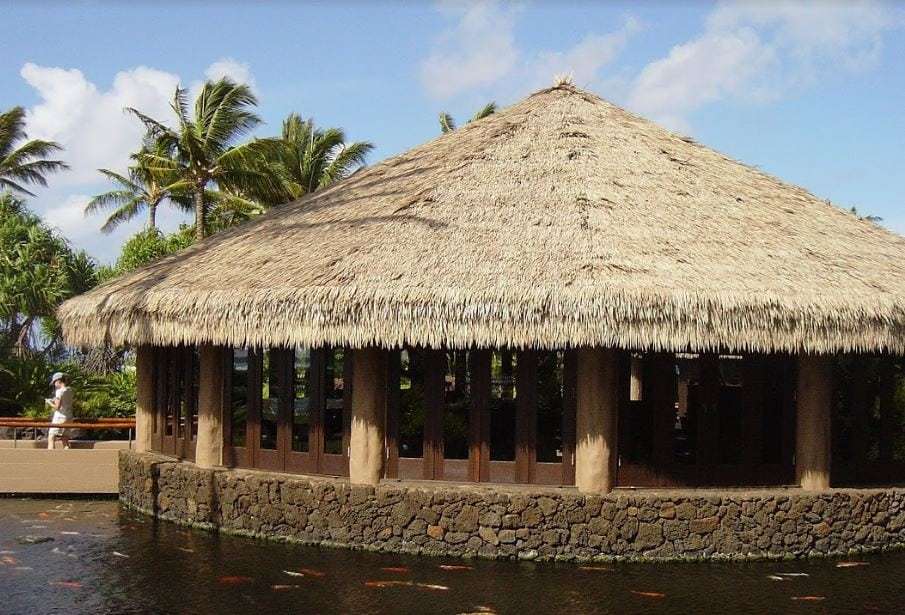
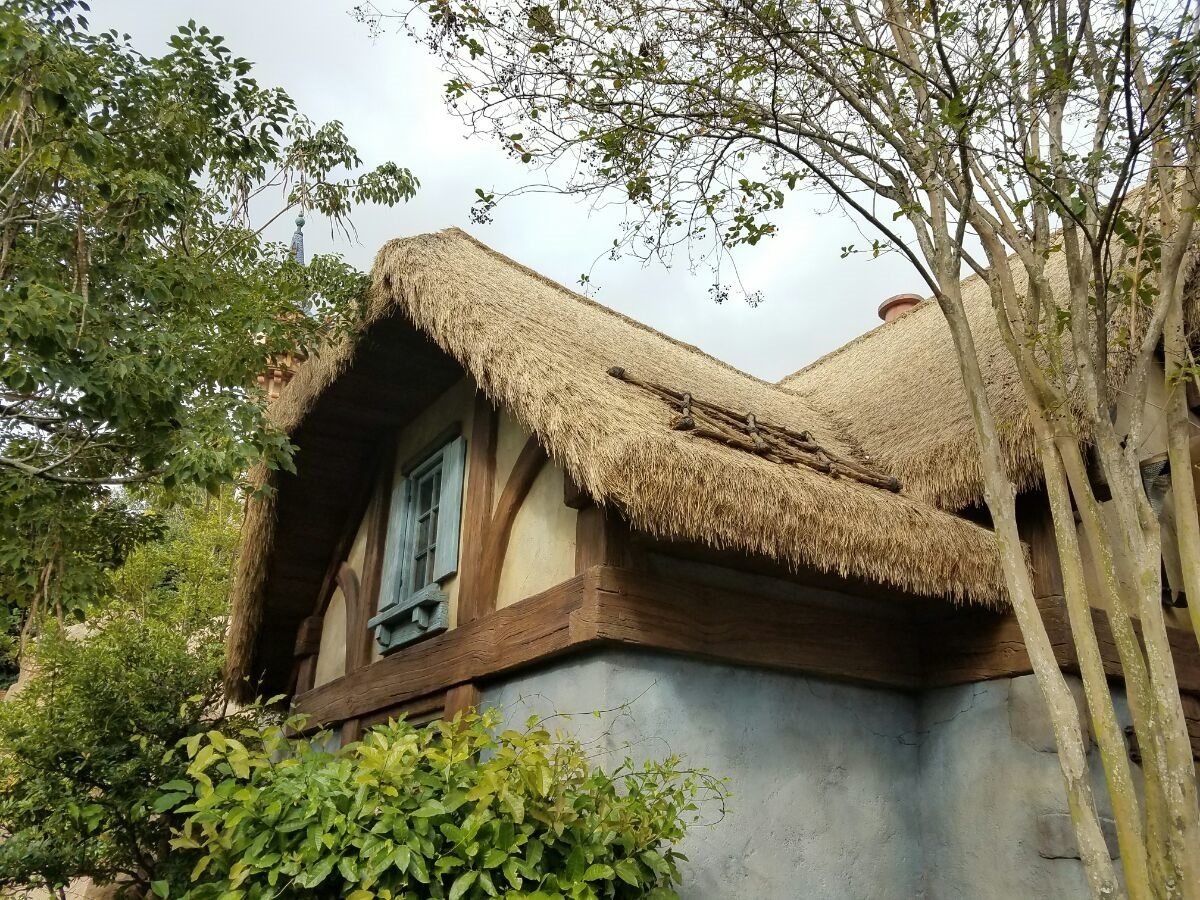
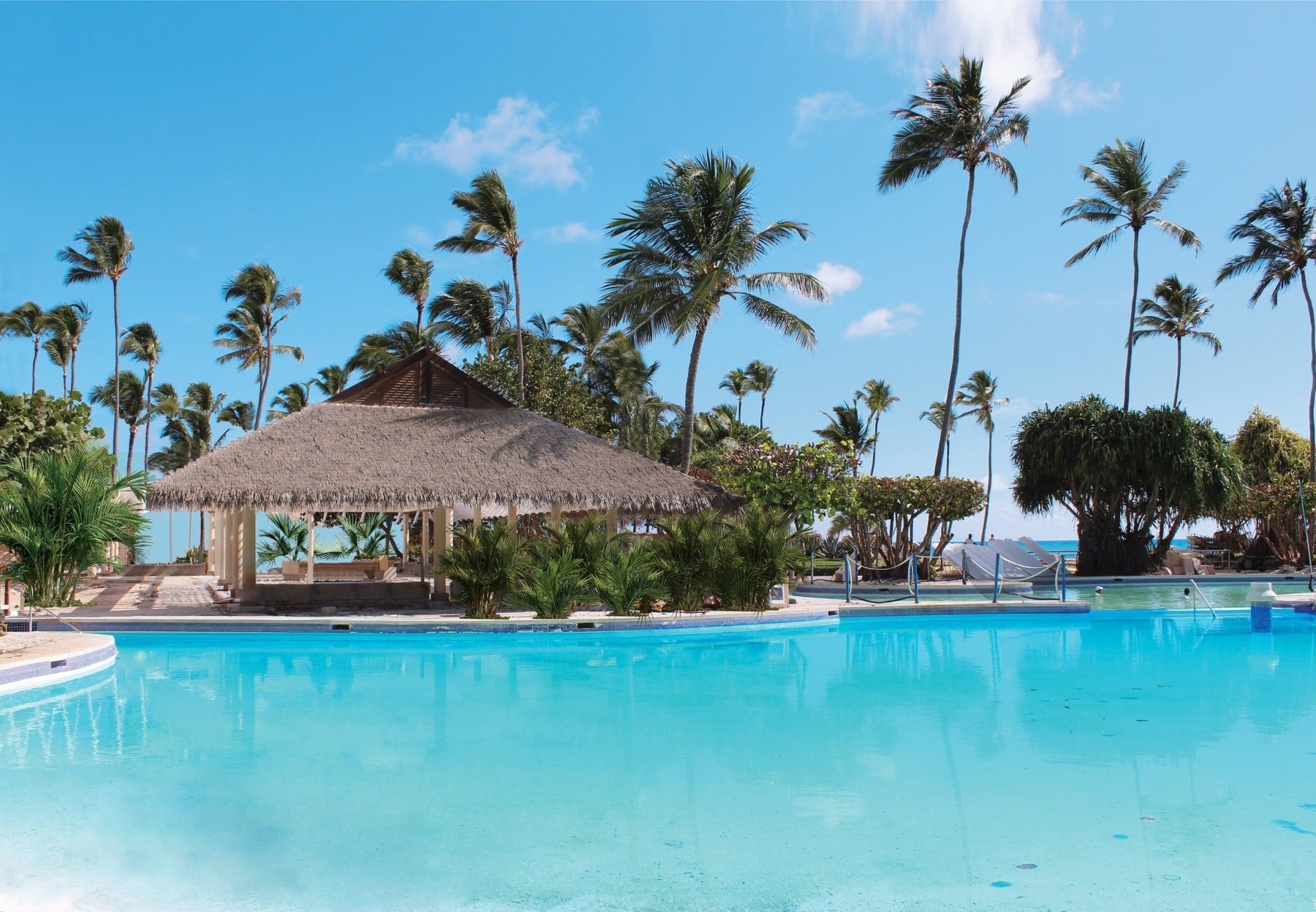
We designed our Kona product replicating, in part, the beautifully unique pili grass. It’s believed that pili grass is indigenous to Hawaii, since it’s native to many other tropical locations. Still, it’s possible that this unique grass was brought to Hawaii by very early Polynesian settlers. At any rate, at this point, pili grass is naturalized to Hawaii as well as many areas in East Asia and the South Pacific.
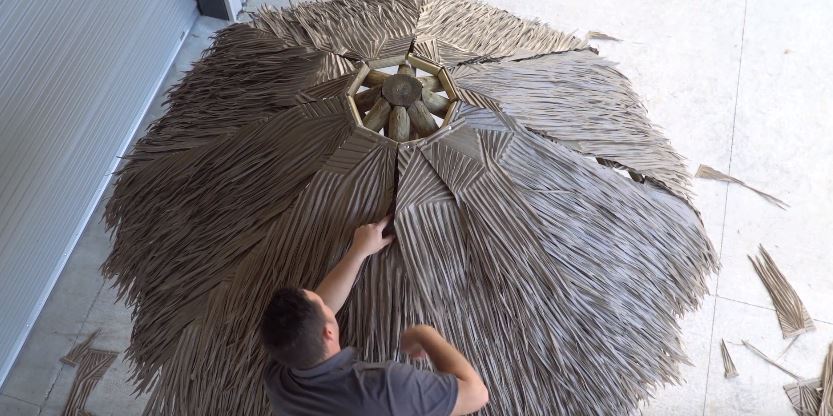
Do you want to learn how to install a thatch umbrella using Endureed’s Viva synthetic thatch? It’s simple with this original synthetic thatch roofing solution. Watch a brief demonstration that we posted to our YouTube channel.
High Density Polyethylene (HDPE) makes for a long-lasting, environmentally friendly thatch roofing material. Our thatch roofing products made of high-grade HDPE withstand long-term UV exposure, resist flames and holds up well in strong storms. Our shingles are so durable, all of them come with a 20-year warranty. Plus, that warranty even covers UV degradation.
Endureed’s Bali synthetic thatch looks like natural thatch roofing found in the South Pacific Islands. It features a fine grass thatch like that found in East Asia and is completed with thick Balinese style hips. With a loose eave, loosely tapered finer grass, and a slightly longer shingle, it transports you to the South Pacific islands. This authentic-looking artificial thatch product is part of our Regions Series.
Installing Endureed synthetic thatch roofing shingles is incredibly easy. Technical instructions are no substitute for actually observing the installation though. Right?
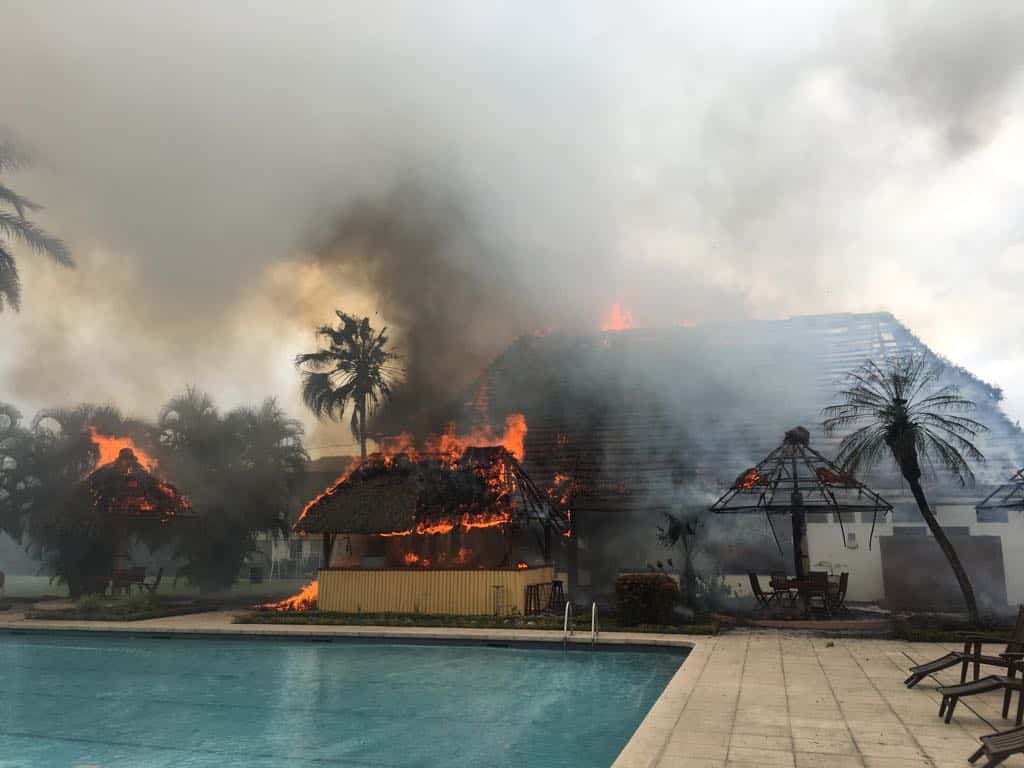
Natural thatched roofs must be treated with flame retardants, but that doesn’t make a structure fire involving a thatch roof safe. Even treated natural thatch is a fire risk. When this Elmswell structure caught fire, the efforts by fire fighters were still incredibly extensive and dangerous. Watch as the fire fighters had to remove thatch in order to ensure that the fire stayed contained.
Wind ratings on roofing products are often overlooked or misunderstood. Yet, they are important for determining if a product is suitable for a particular structure. If a structure is located in a setting or location susceptible to high winds or high uplift pressures, it’s important to know the wind rating. The rating conveys how much force a roofing material can withstand.