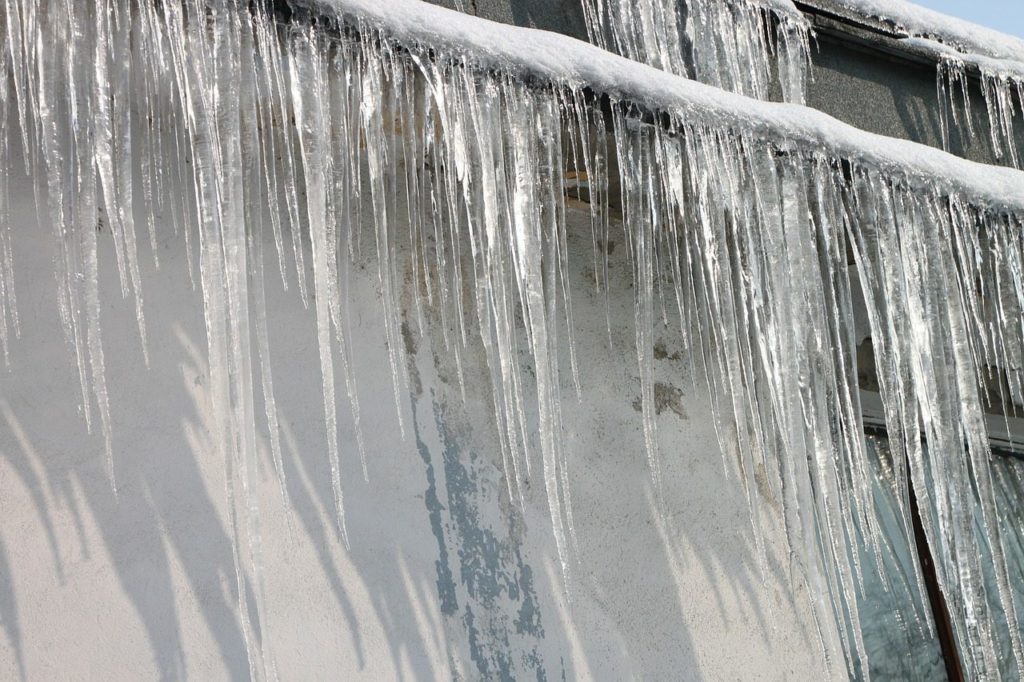
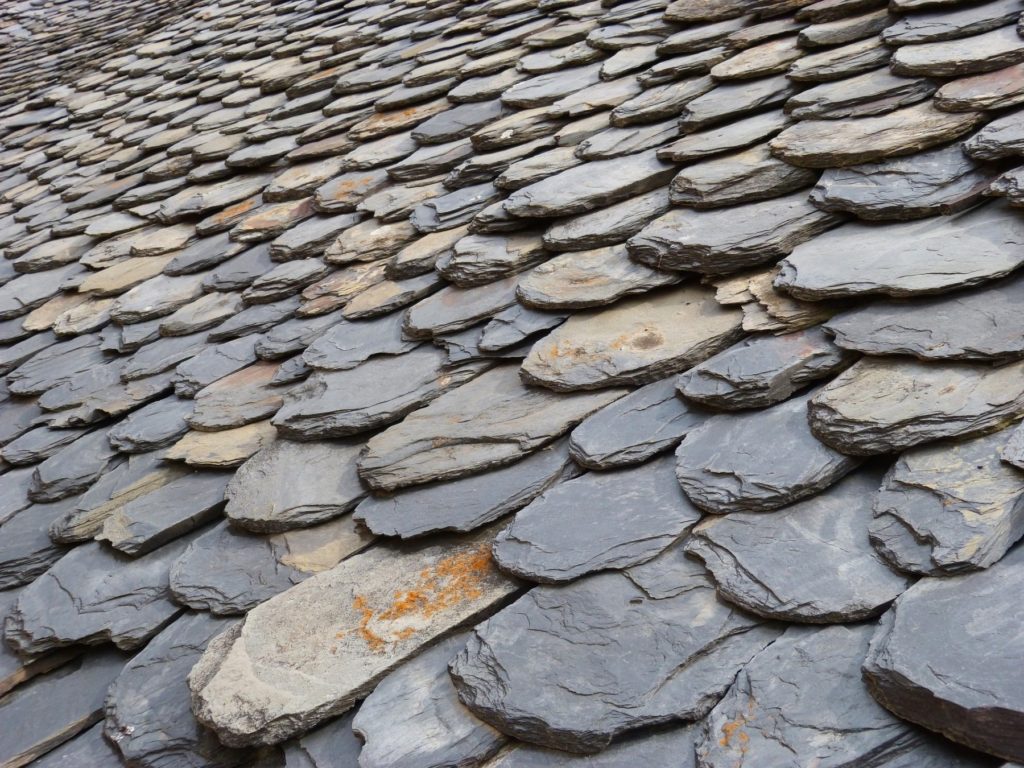
Standard roofing risks ice dams. Ice dams happen in areas of the world that experience freezing temperatures and significant snowfall. See, when the temperature in an attic is above freezing, snow on a roof melts. Then, it runs down the sloping roof. When it gets to the eaves and gutters that are colder, it refreezes. Then, with this cycle of melting and freezing, the ponding water can back up under typical shingles. The ice is a slow, but powerful force that can cause water to enter the attic. Plus, when it melts, it means water damage.
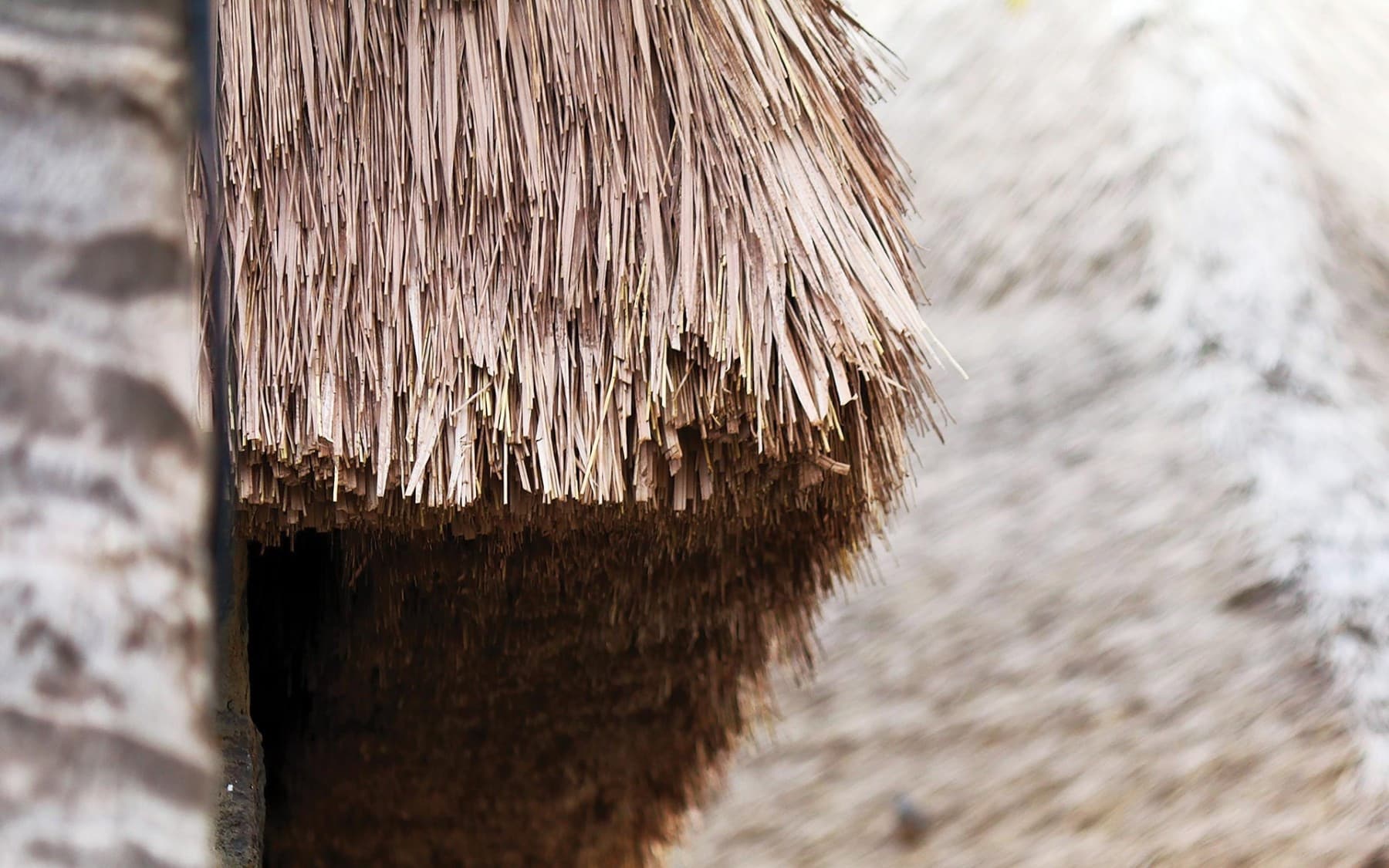
Businesses love that our synthetic thatch resists pests. Thatch pests include more than just birds and insects. Actually, mice and rats are among the worst offenders. They also infest natural thatch roofing!
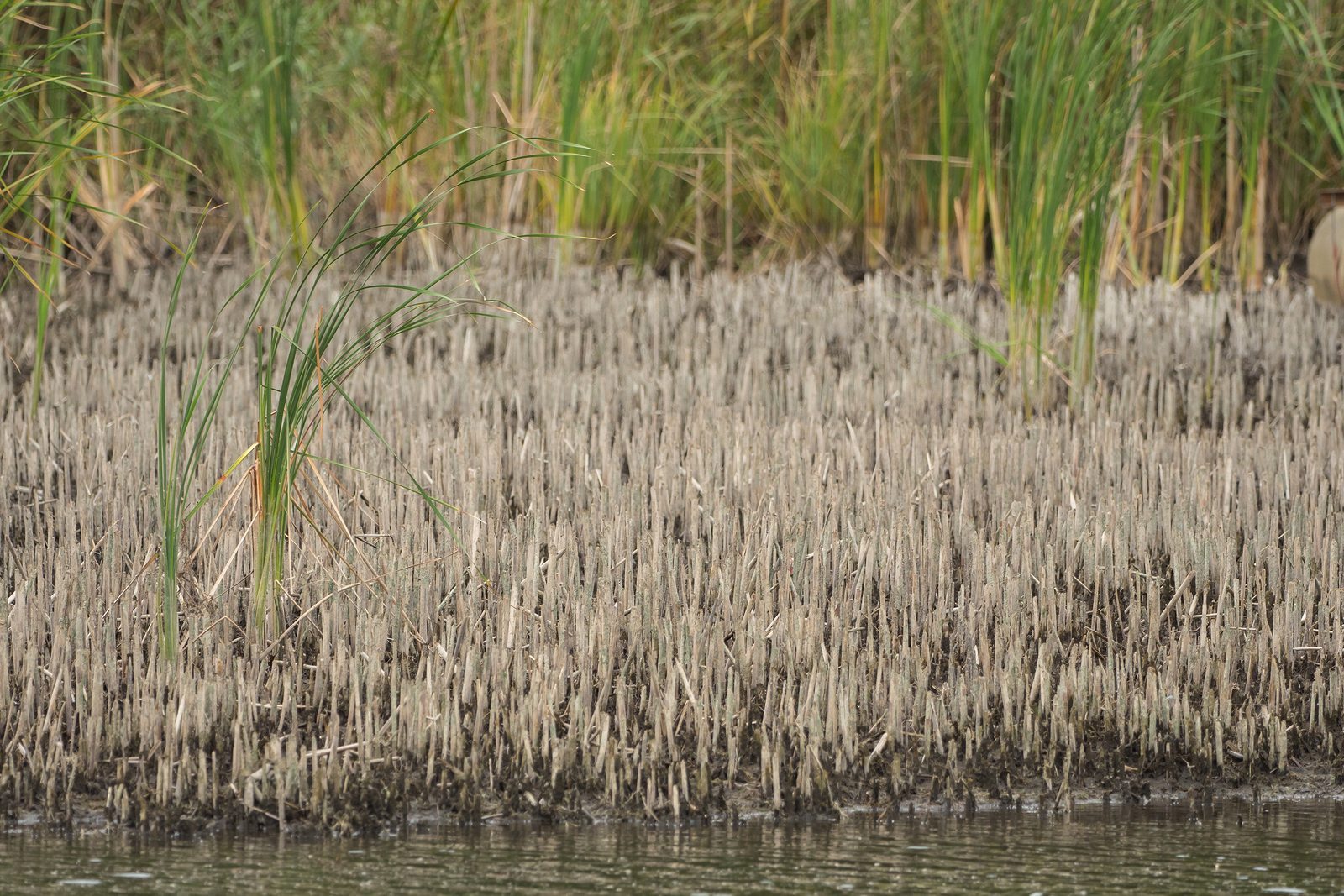
Water reed remained a common, durable roofing material for many centuries. It was a primary thatching material all over. Water reed, the most durable natural material for thatching, could last 60 years if well maintained. Of course, people called it by different names. Yet, people in France, China, and the UK used water reed for roofing. Actually, anywhere reed beds grew, people used it.
Many people want to know what the standard roof pitch on a building is. Look, there is no single standard roof pitch. See, many factors like roofing materials and climate determine the ideal range of pitches on specific buildings.
Roofers and architects know all about roof pitch, but the way it’s expressed often seems confusing to some people. If you are a building owner and you need help understanding roof pitch and what these professionals are talking about, we have the simple lowdown for you.
The ASCE sets standards used in building. These standards promote safety in building. Among many things, they tell us how to calculate wind uplift pressures. Most building codes rely on their advice.
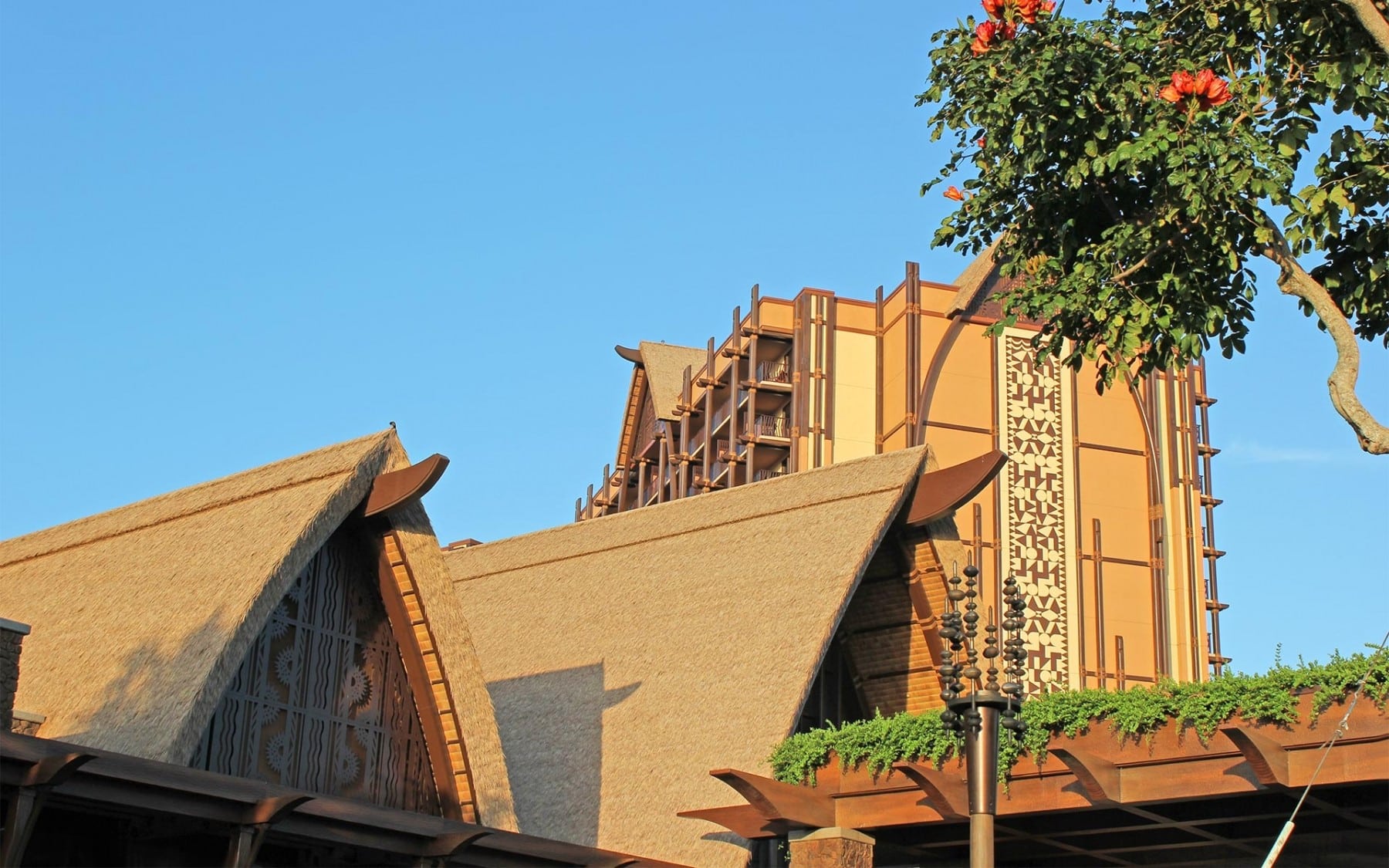
Resorts, museums and other businesses must ensure their thatched roofs are flame-resistant. If you choose a natural thatch roofing material, you commit to the use of chemical flame retardants. You commit to regular treatment and regular inspection of your roof. Each treatment of a natural thatch requires permits. Plus, each treatment increases the actual cost of the roof.