The American Society for Testing and Materials, or ASTM, has developed specific roofing standards that help business owners and roofers specify, test, and evaluate the performance requirements across roofing systems, including synthetic thatch.
Many business owners overlook the importance of the wind rating on their roofing materials. If your business is located in a place susceptible to high winds, then you should know the rating on your roof. A wind rating tells you how much force your shingles or other roofing materials can withstand.
Synthetic thatch roofing presents the style and the appearance of a natural thatch roof, without the maintenance difficulties associated with natural thatch. While natural thatch is beautiful, maintaining the natural materials is time-intensive. Synthetic thatch roofing will not mold, decompose, or shed like natural thatch materials do, and will last significantly longer. Further, while natural thatch roofing often harbors pests, synthetic thatch does not. Synthetic thatch roofing is therefore relatively immune from the damage those pests can do.
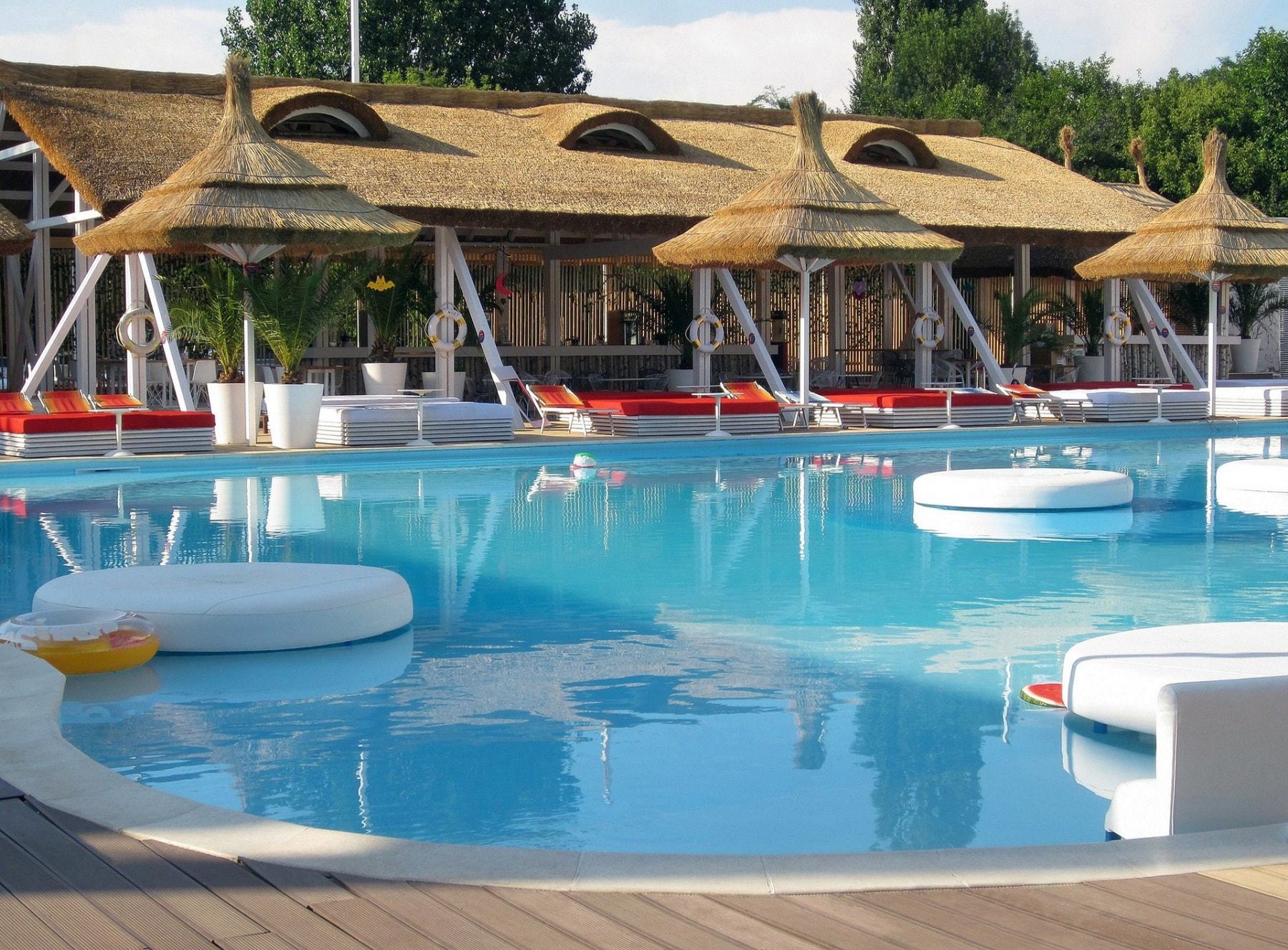
Plastic thatch roofing is ideal for tropical resorts. It has the look of classic thatch roofing, but it doesn’t bring the disadvantages traditional thatch does.
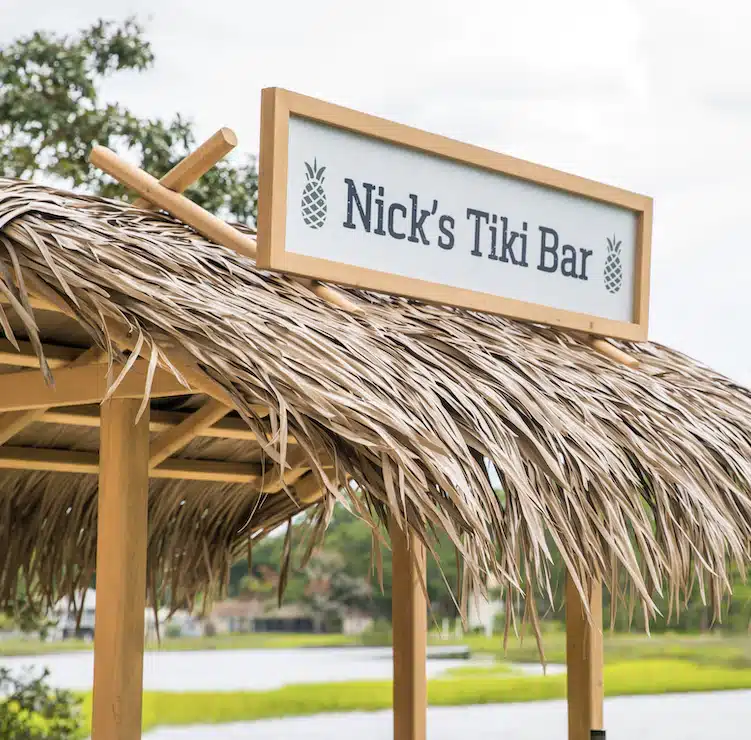
Nothing says tropical beach paradise quite like a thatched roof. That’s why, when you’re planning to build a tiki hut, installing a thatch roof is a given.
An imitation thatch roof is a synthetic thatch that doesn’t rot, shed, decay or mold like natural thatch does. By choosing synthetic thatch, the roofing materials on your commercial building will last twice as long while maintaining a natural appearance. Synthetic thatch is recyclable and pest-resistant. An imitation thatch roof can last decades–far longer than a natural thatch roof can.