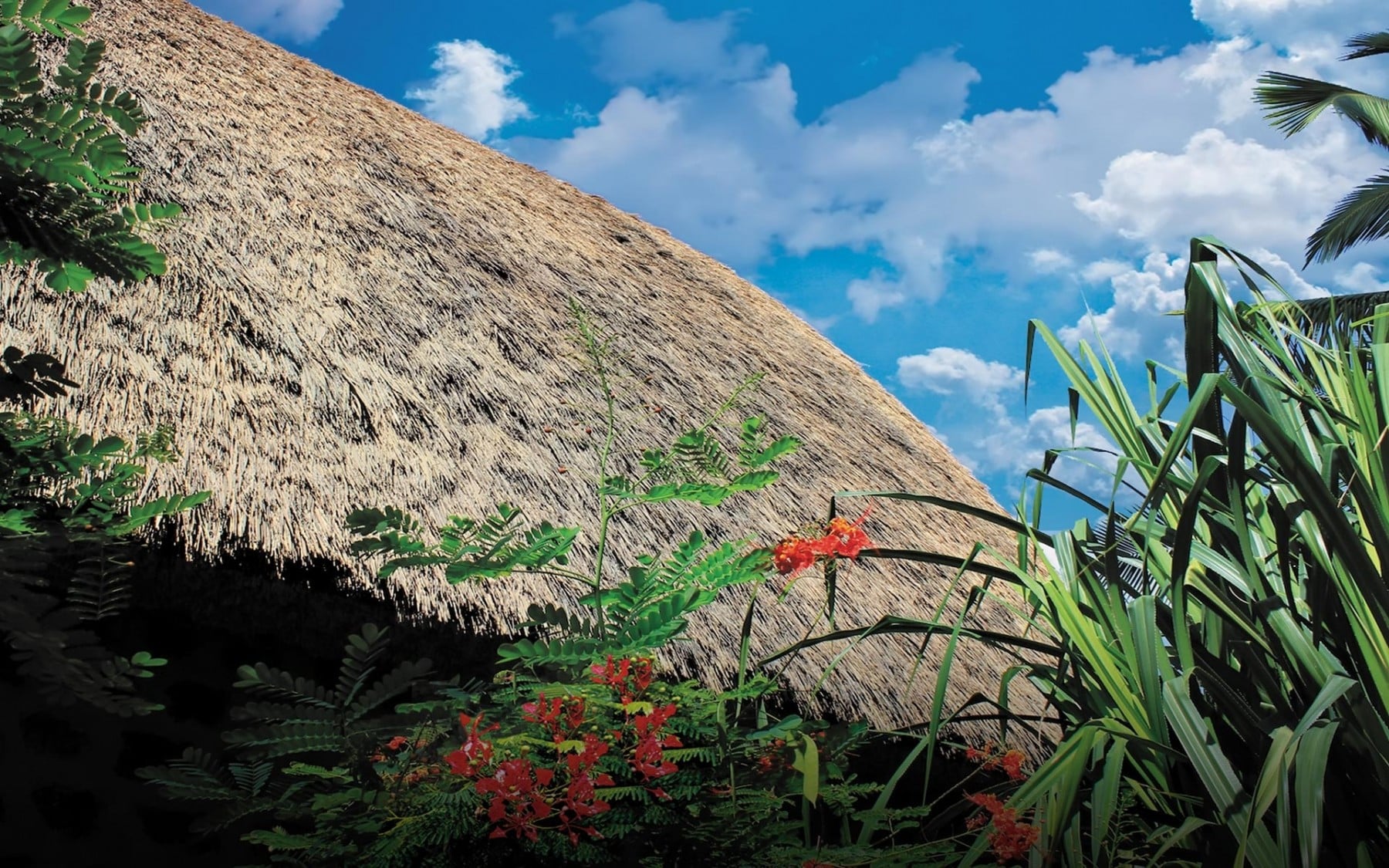
Diseñamos nuestro producto Kona replicando, en parte, la singularidad del pasto pili. Se cree que el pasto pili es originario de Hawái, ya que es originario de muchos otros lugares tropicales. Sin embargo, es posible que esta singular hierba fuera traída a Hawái por los primeros colonos polinesios. En cualquier caso, actualmente, el pasto pili se ha naturalizado en Hawái, así como en muchas zonas del este de Asia y el Pacífico Sur.
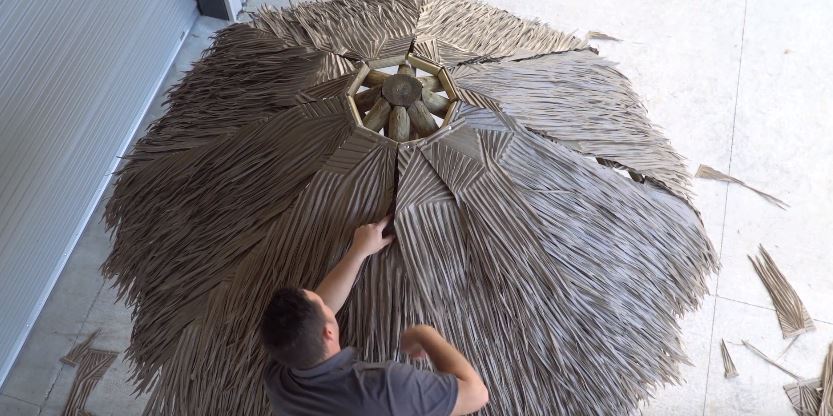
¿Quieres aprender a instalar una sombrilla de paja con la paja sintética Viva de Endureed? Es muy sencillo con esta original solución para techos de paja sintética. Mira una breve demostración que publicamos en nuestro canal de YouTube.
El polietileno de alta densidad (HDPE) es un material duradero y ecológico para techos de paja. Nuestros productos para techos de paja, fabricados con HDPE de alta calidad, resisten la exposición prolongada a los rayos UV, son resistentes a las llamas y resisten bien a tormentas fuertes. Nuestras tejas son tan duraderas que todas cuentan con una garantía de 20 años. Además, esta garantía cubre la degradación por rayos UV.
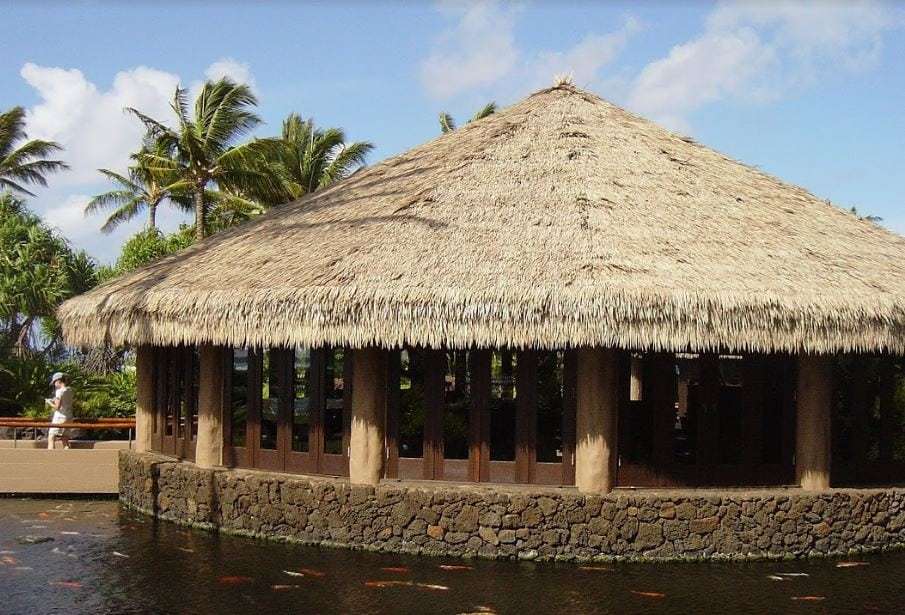
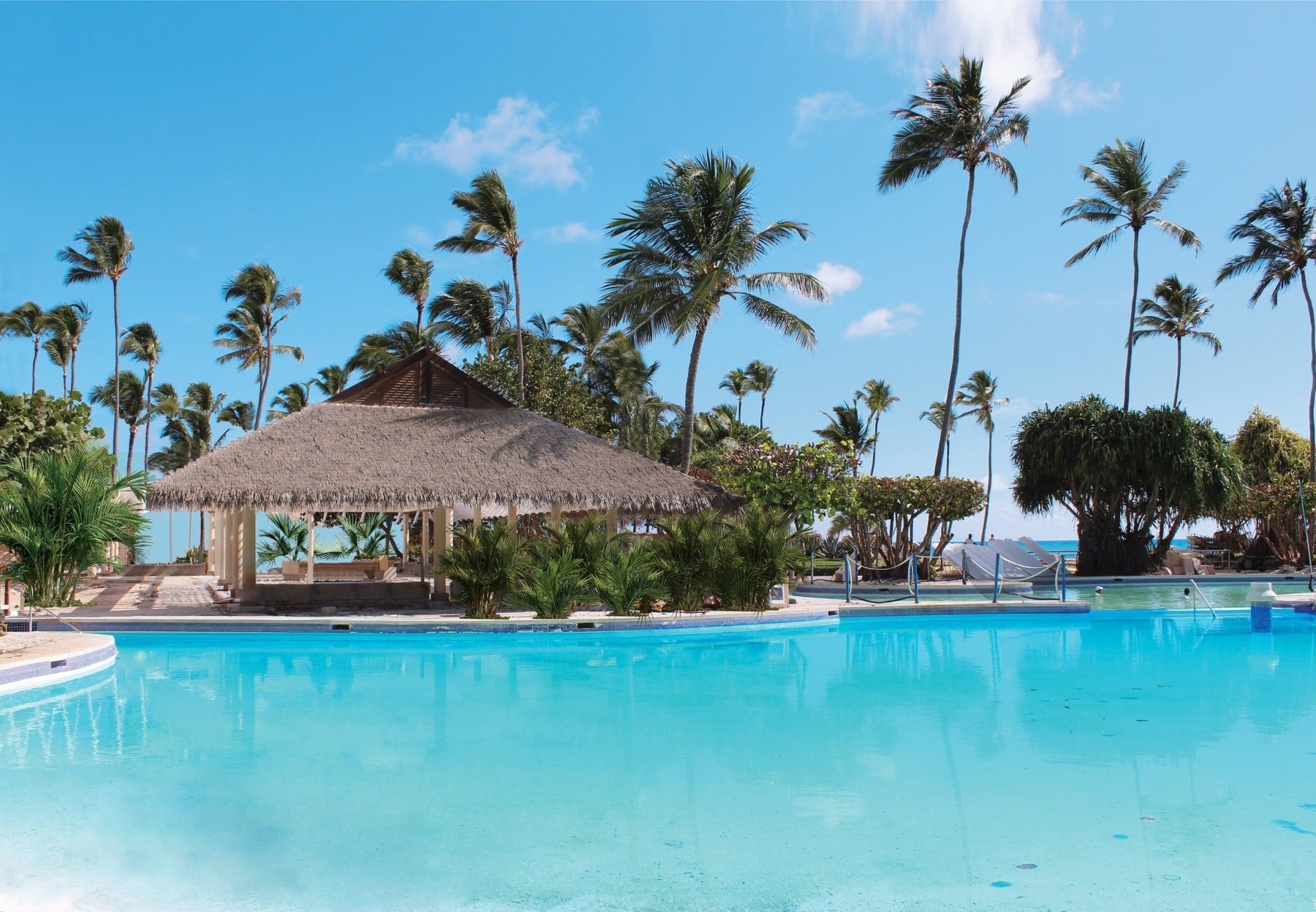
La paja sintética Bali de Endureed se asemeja a la paja natural de las islas del Pacífico Sur. Presenta una fina paja similar a la del este de Asia y se completa con gruesas limatesas de estilo balinés. Con un alero suelto, una hierba fina ligeramente cónica y una teja ligeramente más larga, te transporta a las islas del Pacífico Sur. Esta paja artificial de aspecto auténtico forma parte de nuestra Serie Regiones.
Instalar tejas sintéticas Endureed es increíblemente fácil. Sin embargo, las instrucciones técnicas no sustituyen la observación directa de la instalación, ¿verdad?
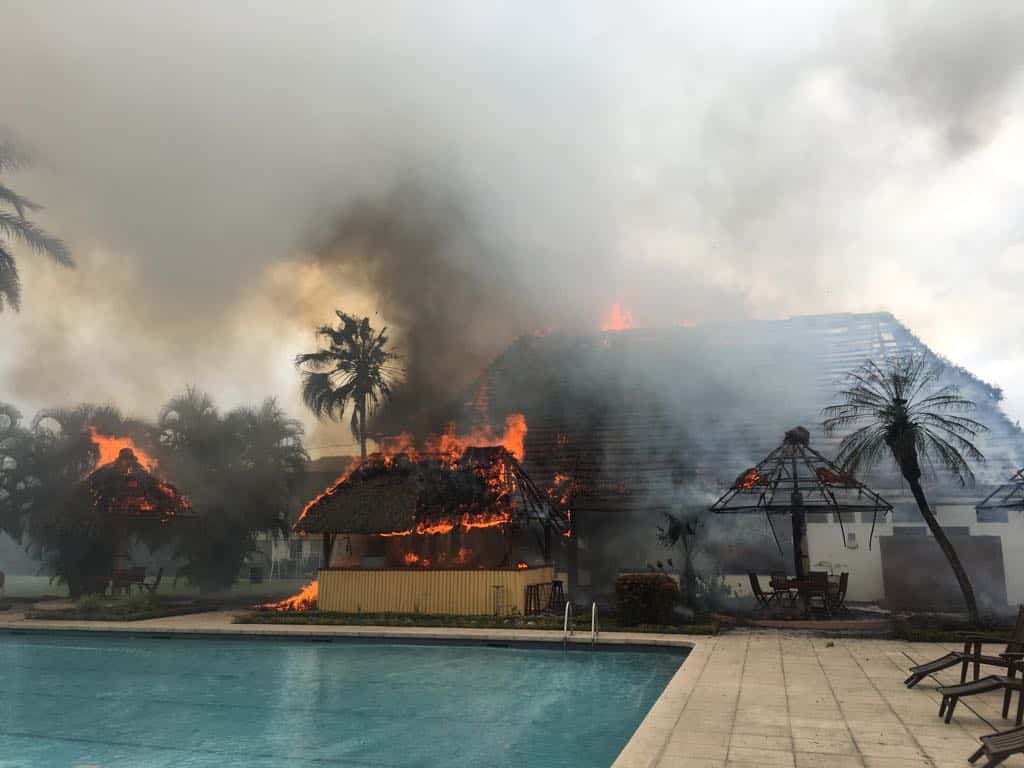
Los techos de paja natural deben tratarse con retardantes de llama, pero eso no garantiza que un incendio estructural que involucre un techo de paja sea seguro. Incluso la paja natural tratada representa un riesgo de incendio. Cuando esta estructura de Elmswell se incendió, los esfuerzos de los bomberos fueron increíblemente extensos y peligrosos. Observe cómo los bomberos tuvieron que retirar la paja para asegurar que el fuego se mantuviera contenido.
Las clasificaciones de resistencia al viento de los productos para techos a menudo se pasan por alto o se malinterpretan. Sin embargo, son importantes para determinar si un producto es adecuado para una estructura específica. Si una estructura se ubica en un entorno o ubicación susceptible a fuertes vientos o presiones ascendentes elevadas, es importante conocer la clasificación de resistencia al viento. Esta indica cuánta fuerza puede soportar un material para techos.