LEED (Leadership in Energy and Environmental Design) certification is a designation given to buildings that are verified to be resource efficient and environmentally friendly. Some factors that are used in determining LEED certification include water usage, energy use, greenhouse gas emission, design innovation, and more. In order to qualify, a building must comply with environmental laws and regulations and must have been occupied for a minimum of five years with energy and water use data available.
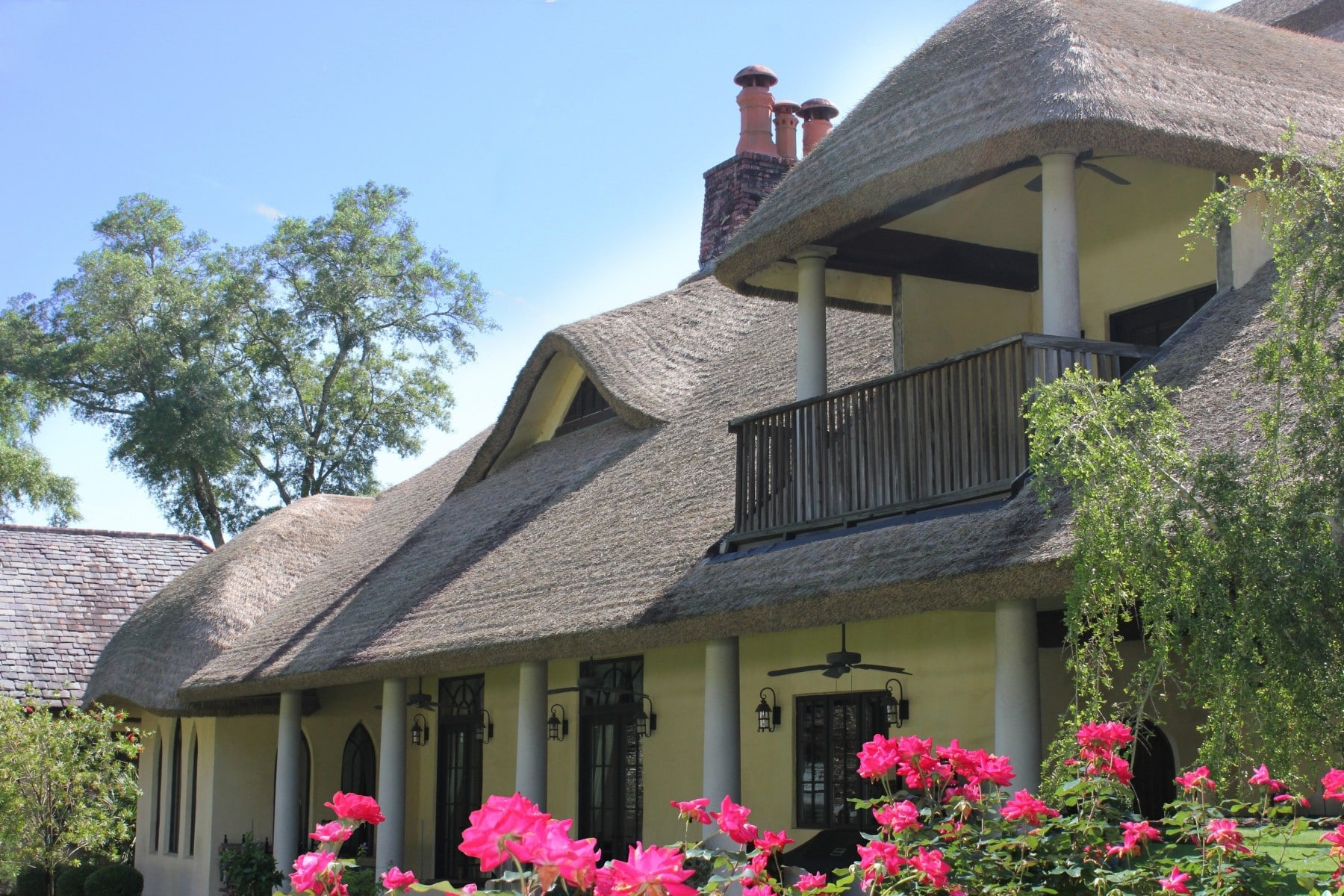
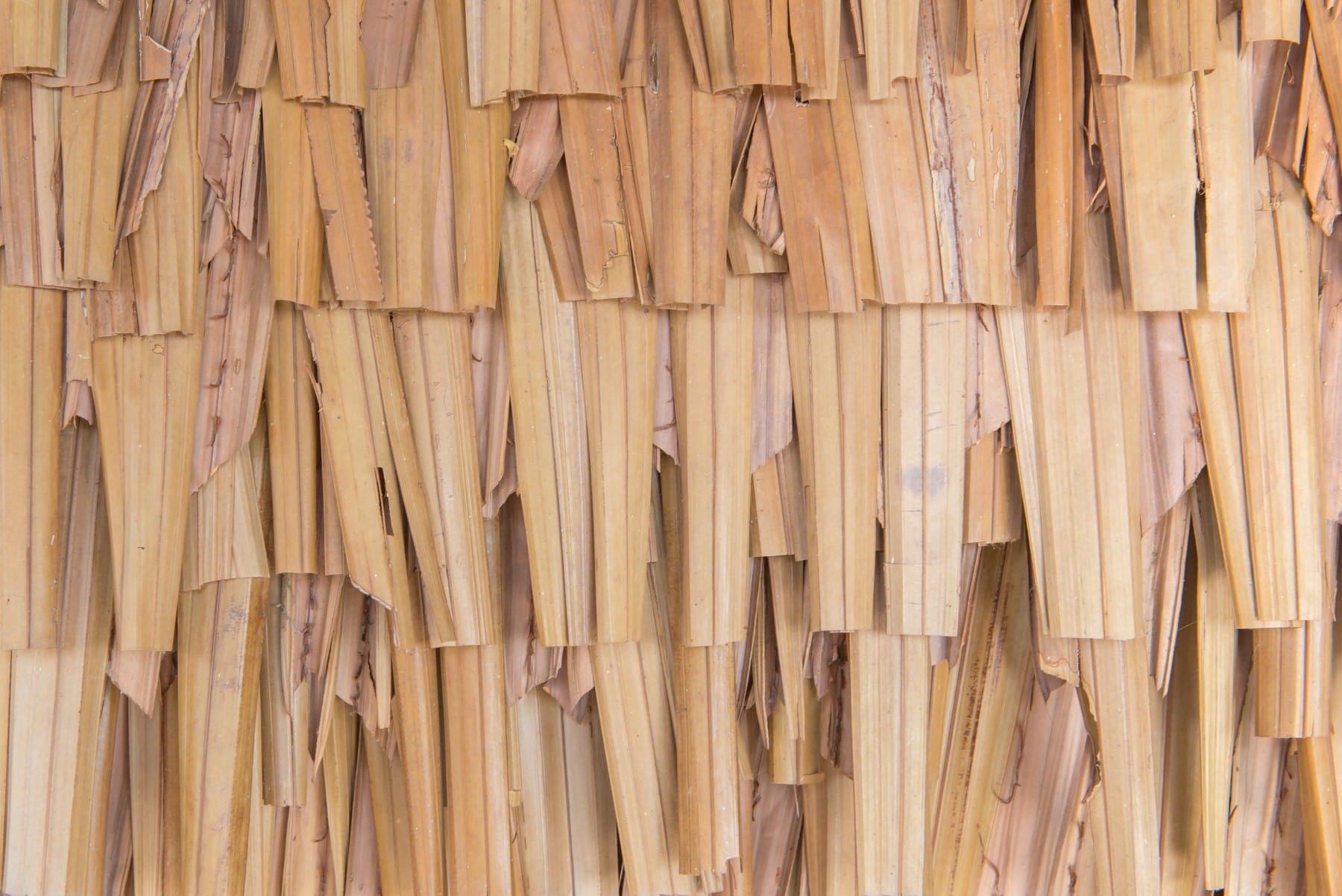
When natural thatch gets wet, it can start to rot and decay. That’s particularly true if the roof is beneath the shade of a tree or another structure; it won’t be able to get the natural sunlight it needs to dry out. That’s true if the roof becomes covered in leaves (such as when leaves gather on a valley roof), too, because the leaves will hold in dampness and moisture.
When a roof is made from natural thatch, it’ll have a shorter lifespan if it’s in the shade; typically, those types of roofs do better when they’re under a full day of sun.
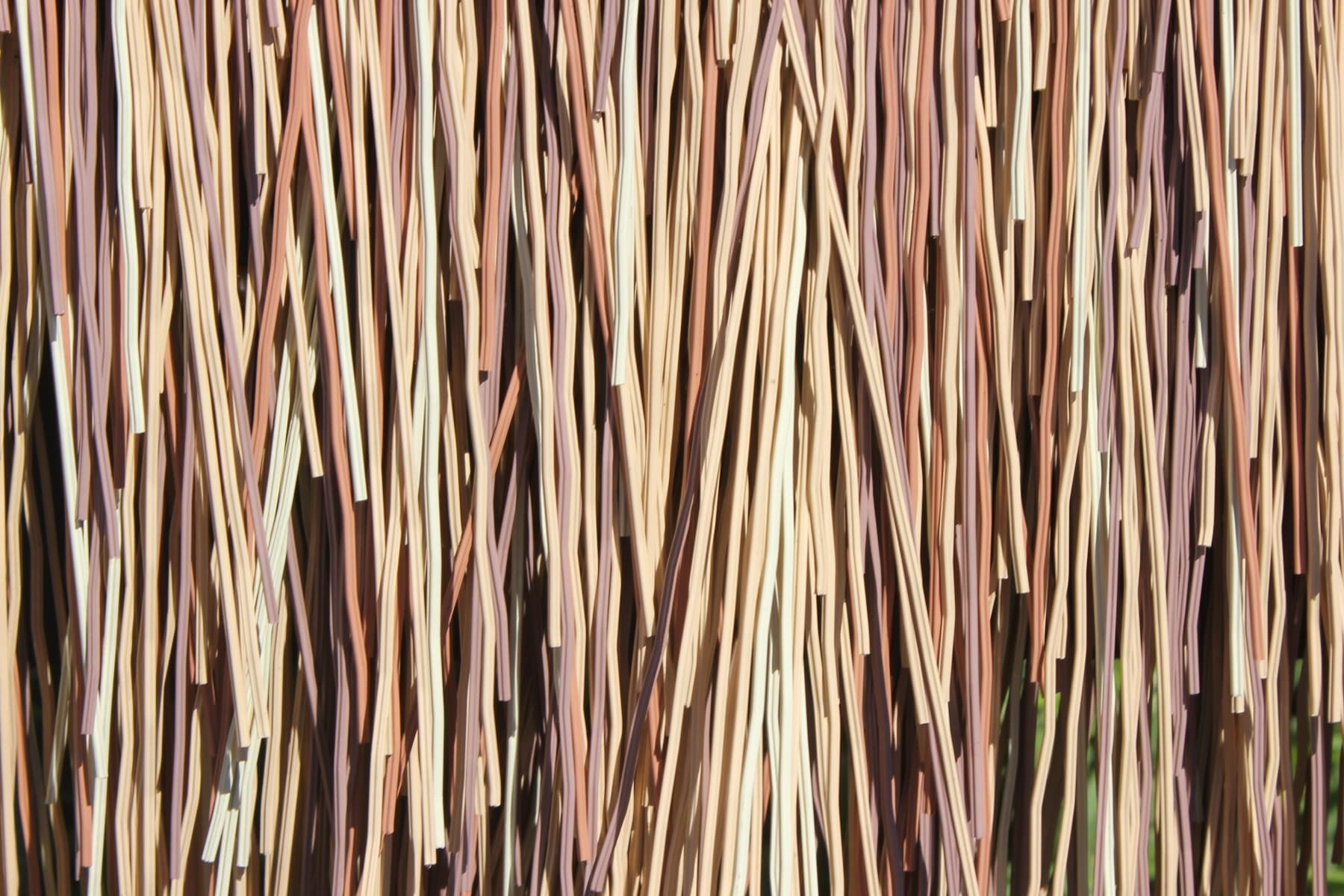
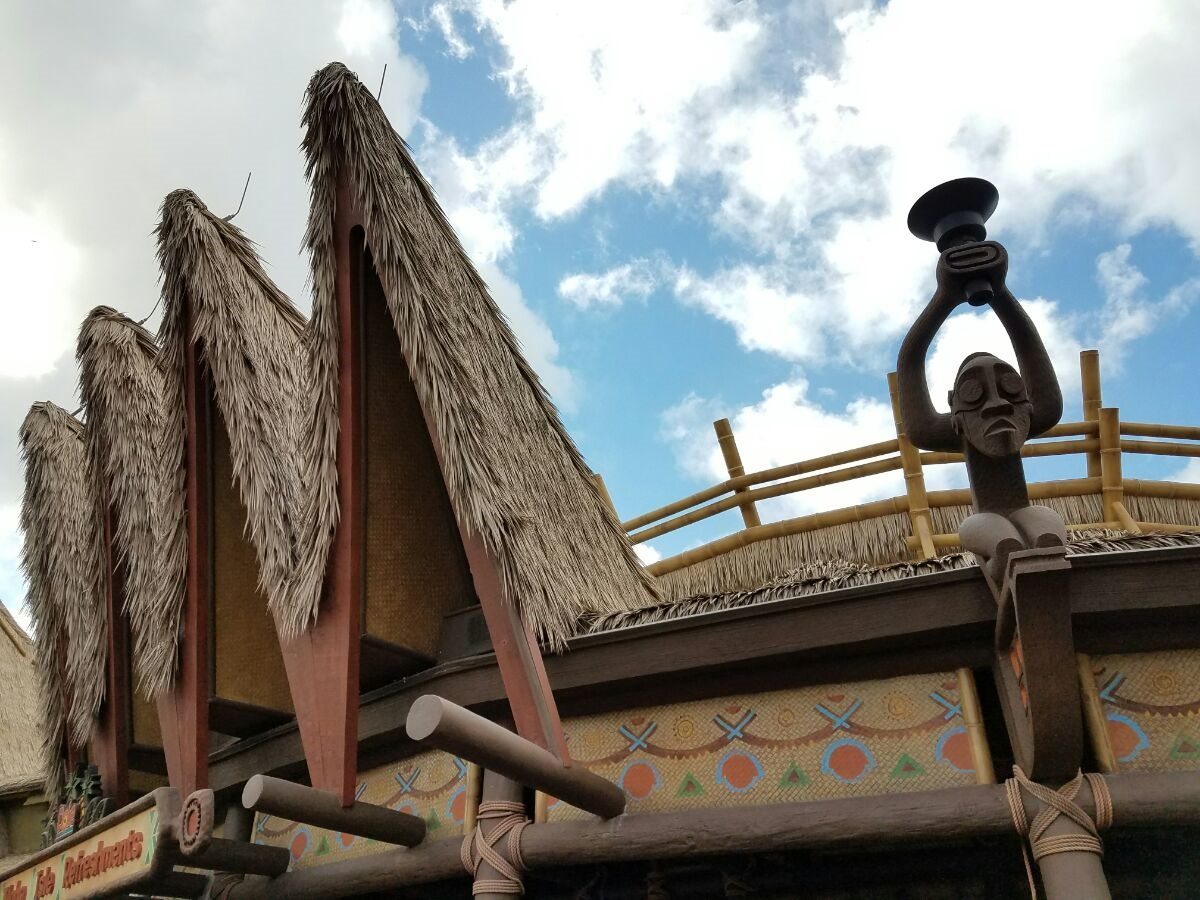
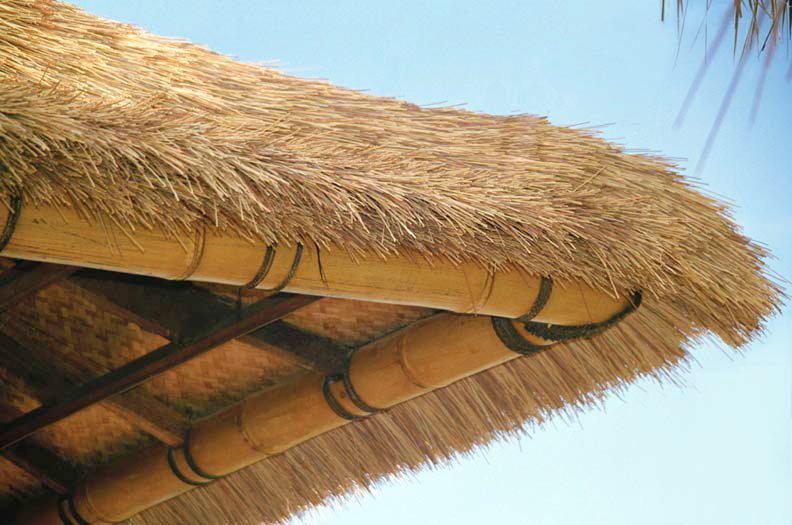
When you’re choosing the right synthetic thatch roof for your business, whether it’s a tropical resort or a stand on the beach in Florida, you’ll find that not all synthetic thatch roofing materials are created equal.
That’s where Endureed comes in.
When you hire a roofing contractor, you need to make sure you’re working with someone who’s reliable, trustworthy, and talented—and before you hire anyone, it’s a good idea to start asking questions to ensure you’re making the right choice.
When you’re building a new commercial building with a synthetic thatch roof, you need to know what kind of pitch is going to be better, whether it’s steep or shallow. Which one will erode more quickly?
If you’re looking at an asphalt shingle roof and considering switching to synthetic thatch because of its aesthetics and easy maintenance, you’re in good company—many business owners across the globe have made the switch to a synthetic thatch roof and have enjoyed remarkable results.