Blogs

We’d love to help you choose the right product for your specific needs. We offer a variety of products in addition to our VIVA Series economical synthetic palm thatch. The following products replicate thatch from all around the world:
When people think of plastics, they often associate negative health risks. This is true of some types of plastics even still. As we’ve mentioned before though, our Regions series synthetic thatch products consist of an incredibly stable thermoplastic. It’s the safest plastic available.

Have you ever wondered just how much it costs to apply flame retardant to a natural thatch roof? Keep in mind when factoring in prices, most Class A flame retardant chemicals require reapplication to natural thatch roofs every two years. On average, when comparing a variety of different chemical solutions for minimizing thatch roof fire risks and complying with building codes, you’ll need to apply three coats to your thatch roof every two years. That will give you satisfactory coverage of the flame retardant chemical to comply with building codes.
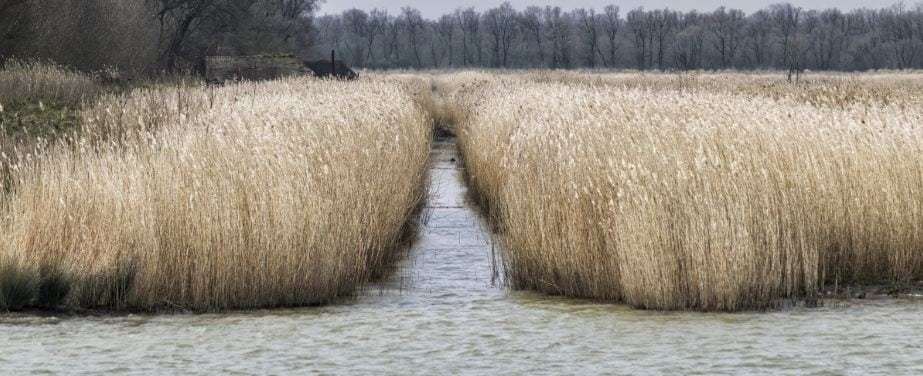
Fertilizers, of course, were the solution to keep up with demand. Then, fertilizer use led to changes in the reed and soil. The health of the water reed declined. Reed became more brittle and weak. Intensive farming created harvests of water reed that snaps easily. This all happened in just a couple of decades.
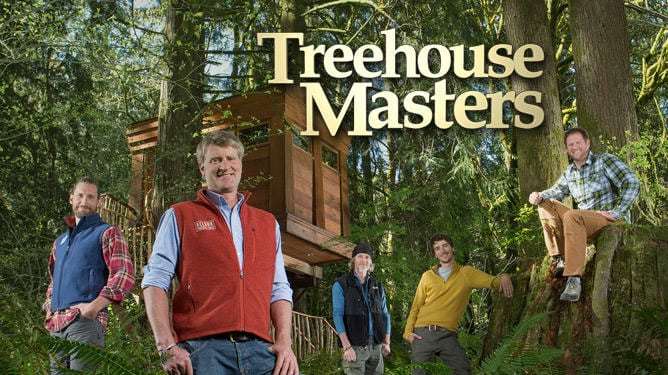
Endureed’s Viva synthetic palm thatch is seen in the Season 11 premier of Animal Planet’s Treehouse Masters! Obviously, we are so excited. Pete Nelson is an incredibly talented, world-renowned treehouse designer and builder. Treehouse Masters documents the work he and his team of craftsmen create.

As a green building designer, you probably are aware that many companies that treat natural thatched roofing materials with flame retardants have moved to a more eco-friendly version. They claim that it’s non toxic and perfectly safe. Yet, scientists and environmentalists aren’t so sure.
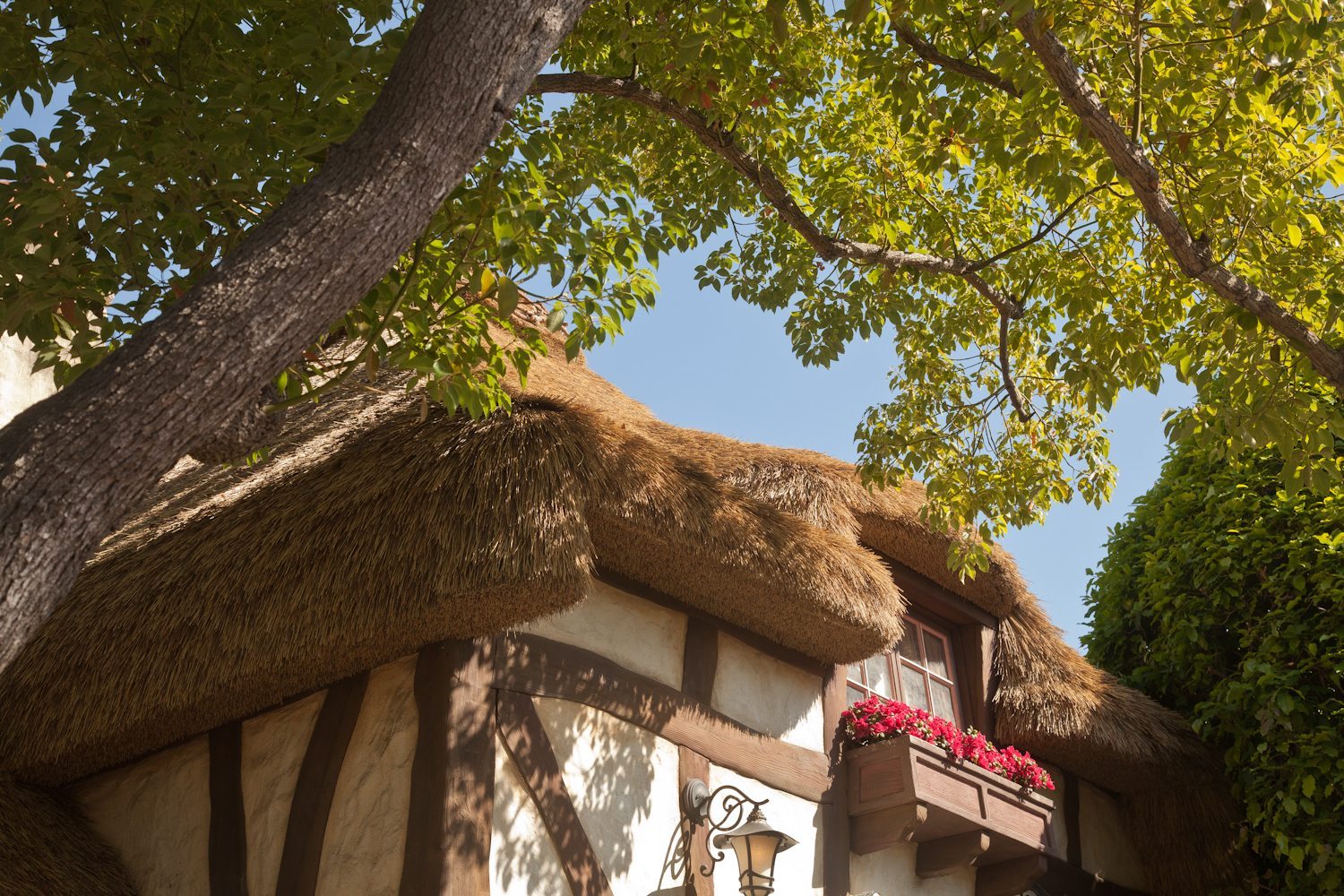
Tudor architecture originated in England more than 500 years ago. This architectural style is obviously the inspiration behind Tudor Revivals, or mock Tudors. A Tudor building had timber trim, steep roof lines, prominent cross gables, leaded-glass casement windows, jetties and ornate chimneys.
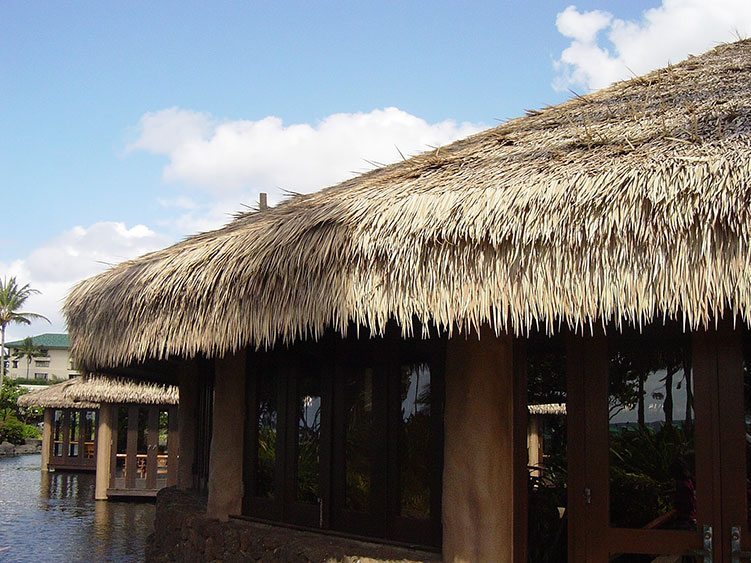
Did you know that of the 204 known palm tree species in Madagascar, 98 percent don’t grow anywhere else in the world? It’s true. Madagascar is an incredibly diverse hot spot for palms due to the long period of isolation after the super continent broke apart. The northeastern forests there have the greatest species diversity. You can actually find up to 45 different species of palm in just one square kilometer in that area.