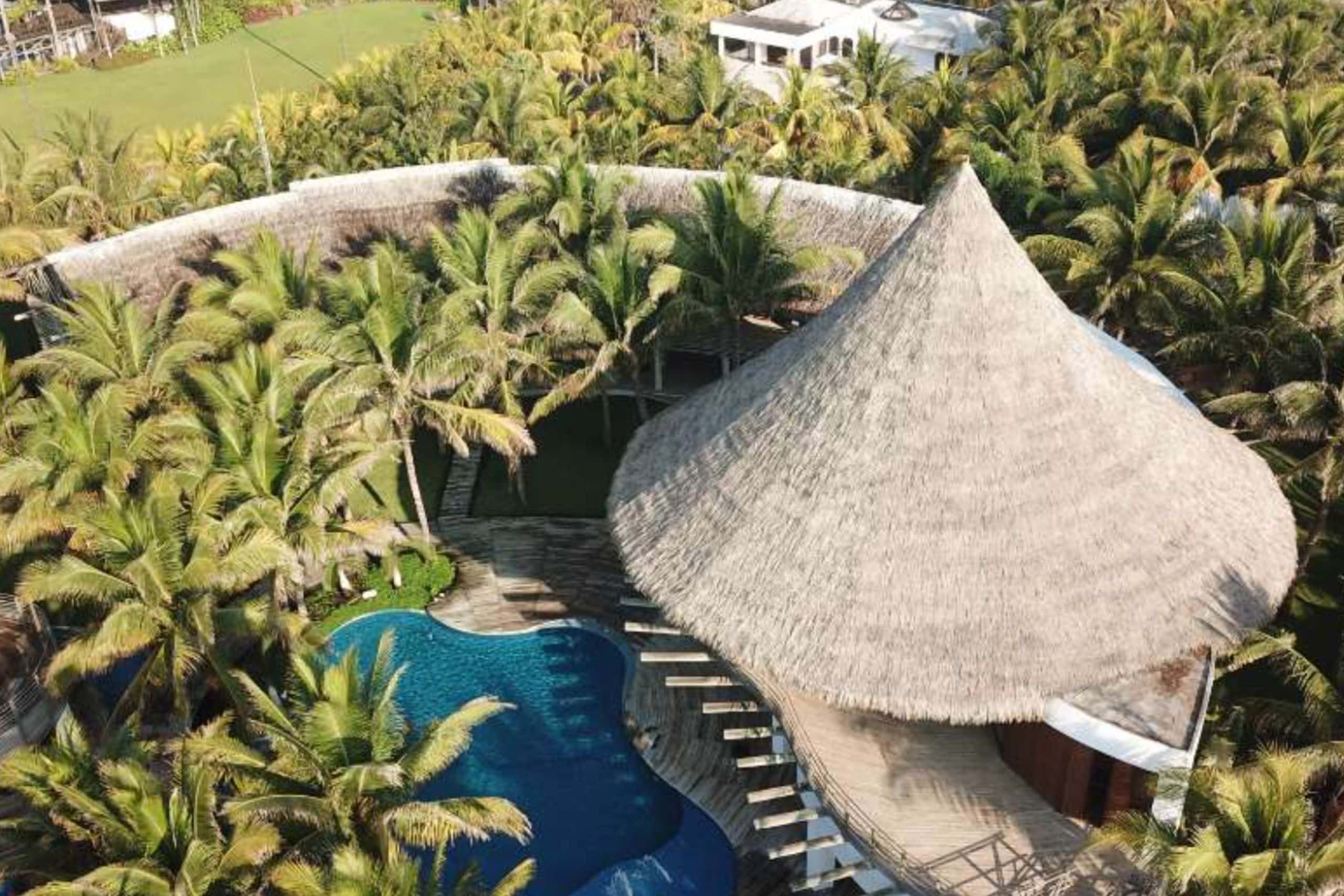
Many individuals are unaware of the extensive history of thatch roofing which directly relates to it being one of the most important roofing materials of the future – therefore, in order to fully unpack the benefits and future outlook of engineered thatch roofing for buildings around the world, this article will break down the past, present, and soon-approaching future of thatch. From the experts at Endureed, here’s all you need to know about one of the most time-tested types of roofing in the world.
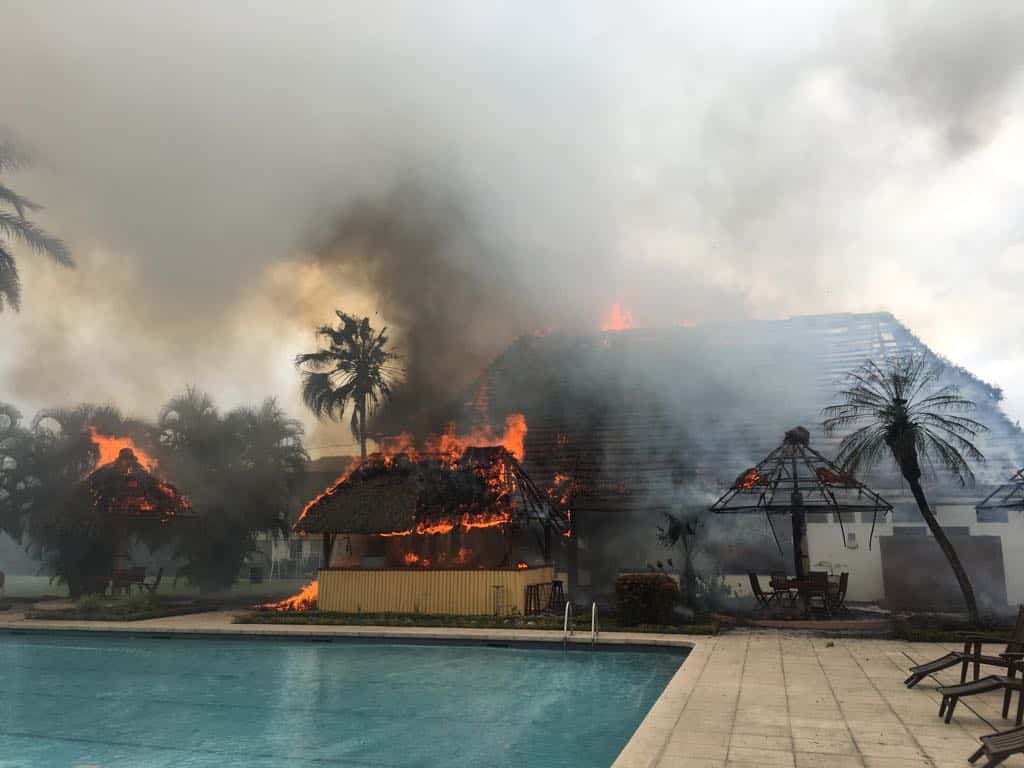
The roof is one of the main areas through which fire can rapidly spread, posing structural risks to nearby buildings and health risks for patrons within. Fortunately, having a roof that is more resistant to fire can significantly reduce the impact and potential dangers of a fire in the unfortunate event that one breaks out. Premium Engineered Thatch is the perfect choice for resorts and commercial buildings looking for the best possible protection with gorgeous aesthetic quality – let’s dive into all the details you should know about fire-resistant roofing.
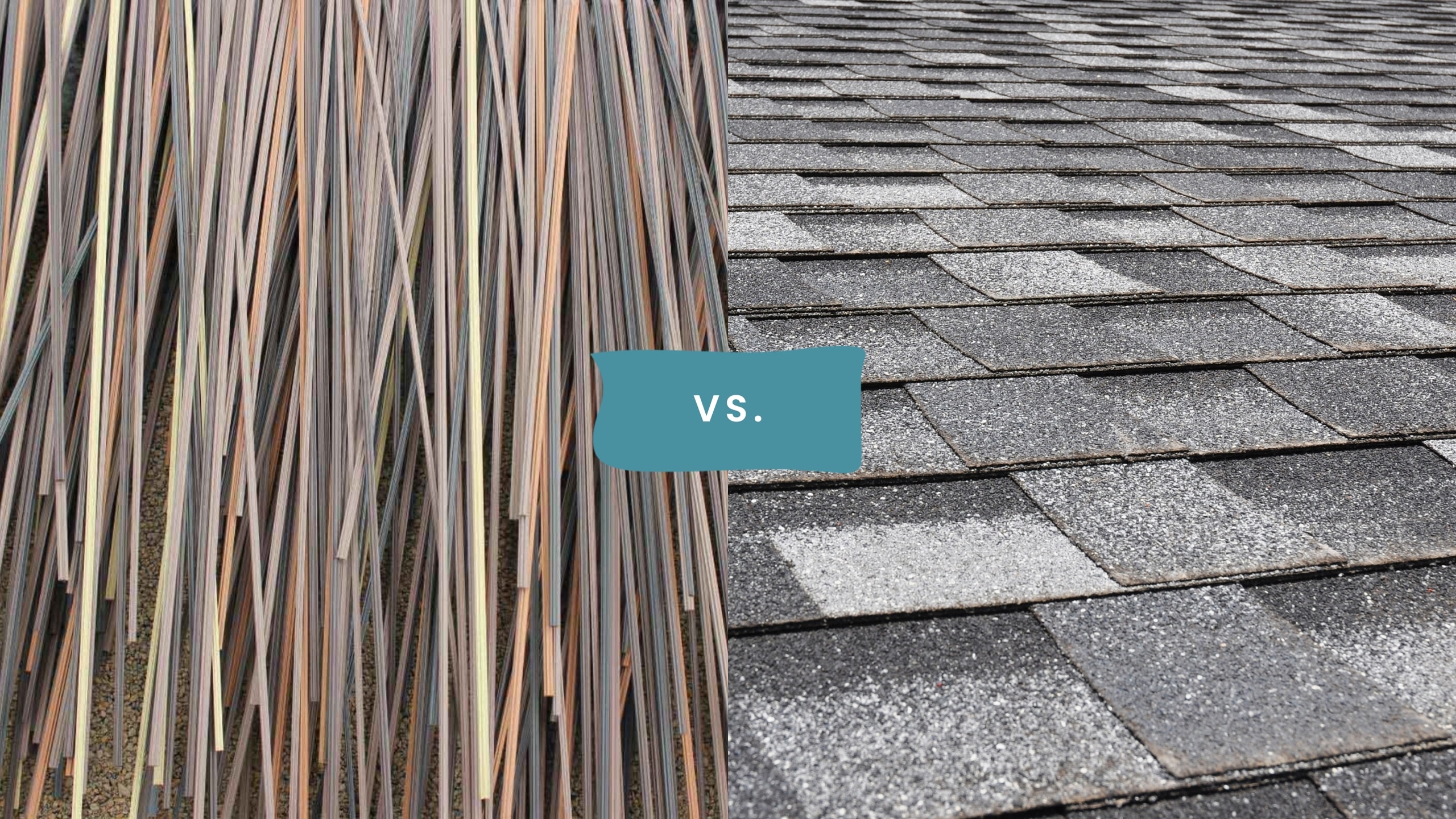
Similar to how we compared engineered thatch roofing and tile, this blog will explore nuanced differences between engineered thatch and asphalt shingles, presented as a balanced overview with a discussion of each use case. We understand the complexity of developing architectural plans, but with some clarity around roofing materials, we hope you’ll be able to make a decision that is informed and satisfying to your particular situation.
Today, Endureed takes inspiration from the world, creating traditional roofing materials that draw from the intrinsic beauty of reeds, grasses, and tropical palms. They even cater to homeowners’ dreams of adding a touch of island style to their homes with the fun and vibrant TikiTops® range. This blog post explores a key question for homeowners wondering about unique roofing options – Can I use thatch roofing on my home? Dive in as we demystify thatch roofing and explore Endureed’s unique offerings.
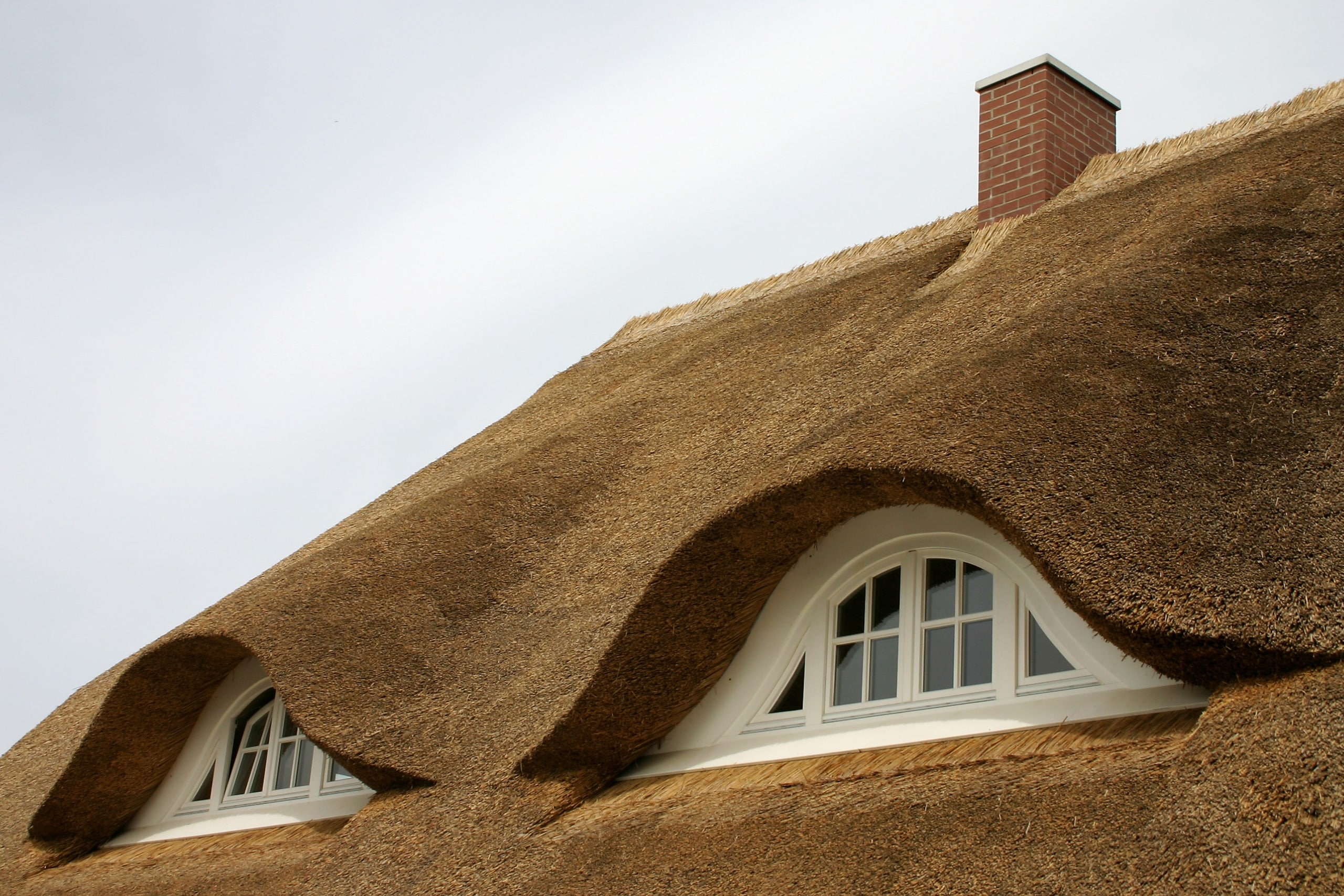
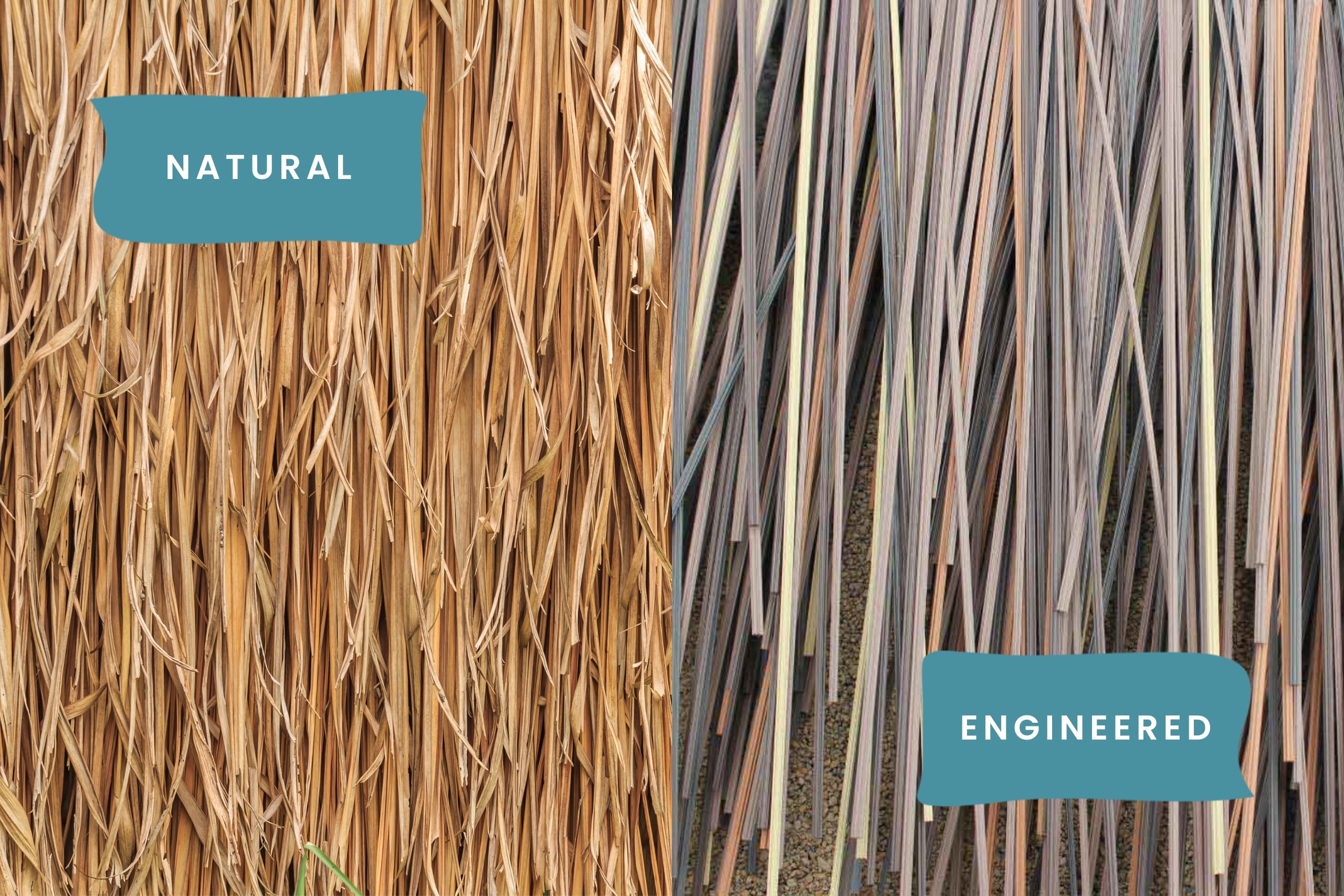
Thatch roofing stands out in the realm of unique and charming architectural elements. Reminiscent of bygone eras or exotic tropical getaways, thatched roofs bring a distinctive character to any building. However, choosing between natural and synthetic (or engineered) thatch for your roof can be a significant decision.
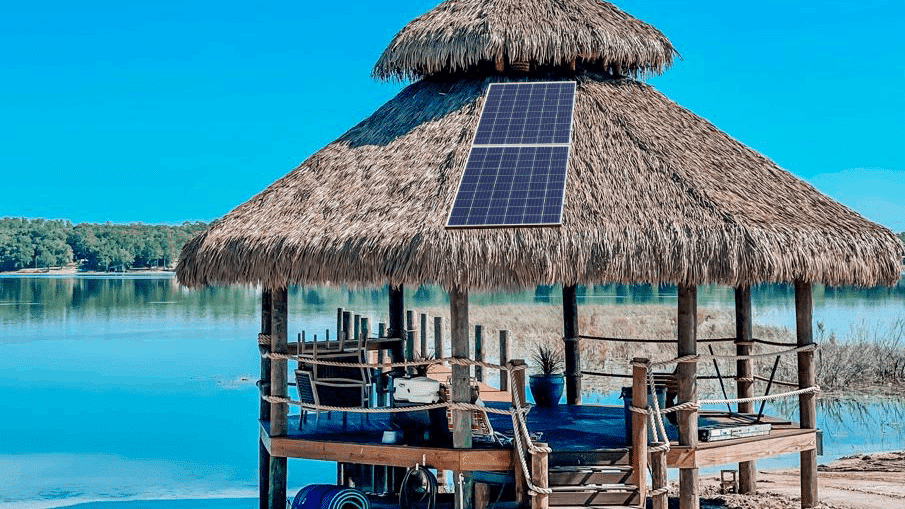
In the modern age, homeowners and businesses have become much more aware of their environmental impact and carbon footprint. In an effort to protect the environment, more and more people are turning to solar panels as a source of renewable energy.
Thatch roofing is a stunning design choice that instantly adds charm to any type of building, but what the thatch is made out of matters more than you might think. Authenticity is important of course, but over the years, natural thatch roofing (the kind made from actual plants and trees) has proven to be unsafe and less than durable. Not to mention the mess it leaves (dried plant material sheds a lot), the critters it attracts (think bugs, snakes, and rodents!), the general cost of upkeep (organic matter tends to break down quickly when exposed to the elements), and the depletion of natural resources it causes.
Synthetic thatch is an alternative roofing solution to natural thatching. With synthetic thatch, you can capture the beauty of natural thatch without any of the problems. You don’t have to worry about the risk of fire, harsh weather conditions, infestations, or any maintenance costs. High-quality synthetic thatch can be made from HDPE, high-density polyethylene, or PVC materials and delivers the durability of commercial-grade building products so your roof will last longer without breaking down over time.