In August 2023, Lahaina, Hawaii experienced one of the most devastating wildfires in its history. Entire neighborhoods were wiped out in hours. Homes reduced to ash. Families displaced. A historic community scarred forever.
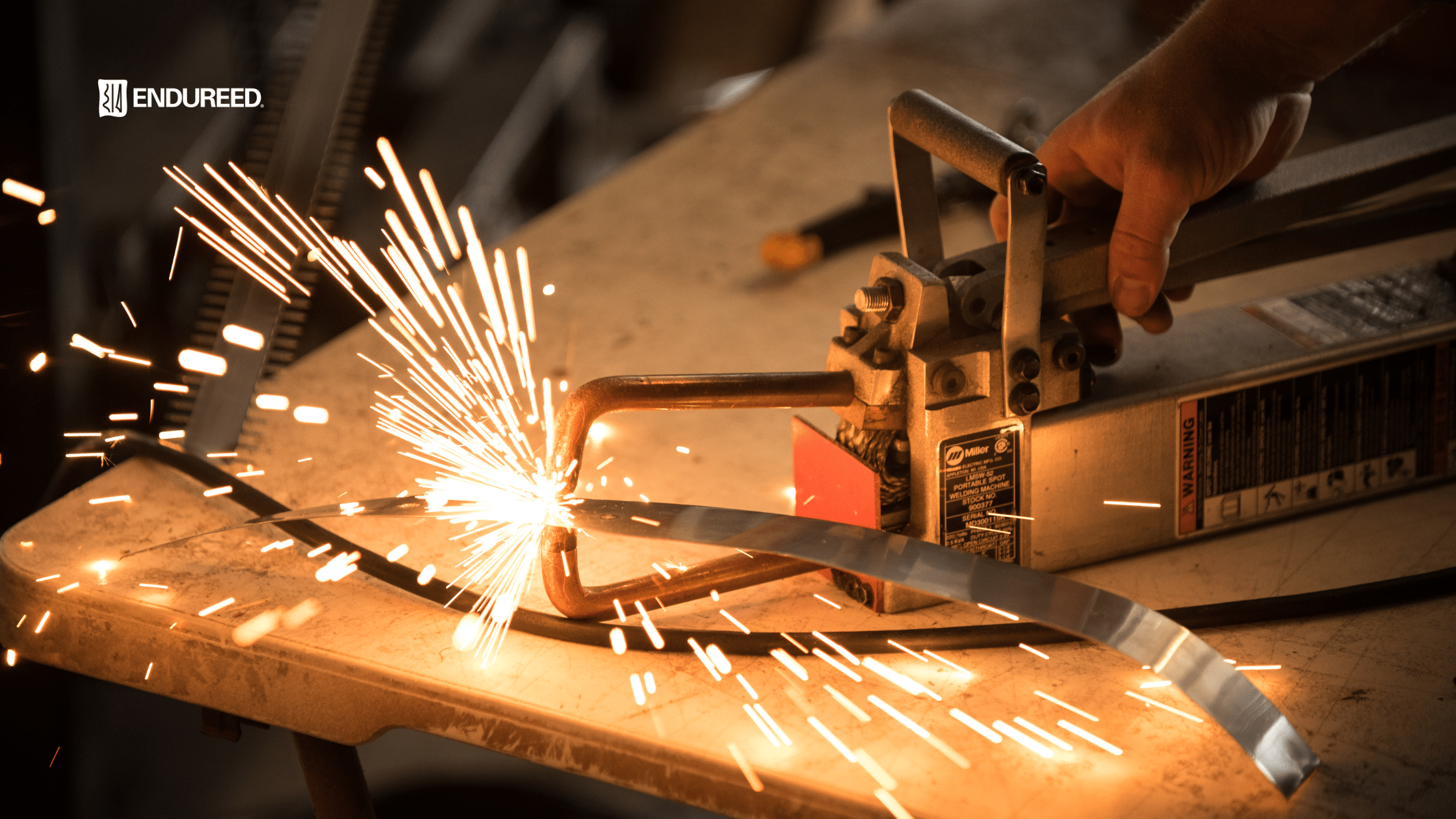
At Endureed®, we believe in proving performance. That’s why our engineered thatch™ products have undergone more than 150,000 hours of lab testing, including one of the most rigorous weather simulations available: Xenon arc testing.
At Endureed, we’ve redefined what’s possible with thatch. Our engineered thatch—crafted to resemble natural palm yet outperform it in every category—offers a more innovative solution for resorts, zoos, and luxury spaces. While some call it synthetic thatch, we call it what it truly is: engineered thatch™.
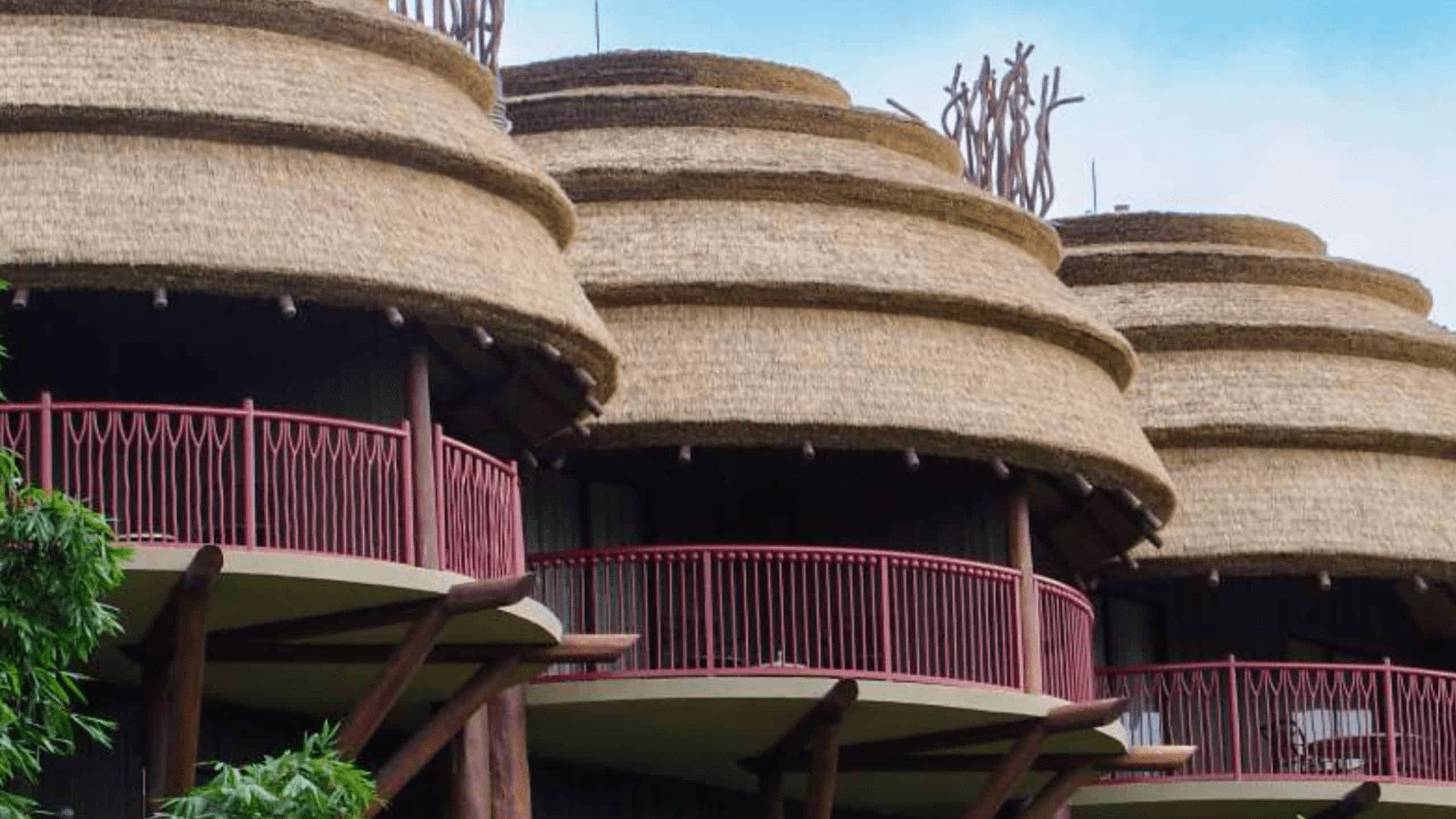
Picture a roof that combines the timeless appeal of natural thatch with the strength and convenience of modern materials. Engineered thatch makes this possible, merging classic aesthetics with modern durability. This roofing material is not just about looks—it’s a revolutionary step in how we conceive of roofing. Discover how engineered thatch can transform your building into an impressive statement of style and durability.
When it comes to engineered thatch maintenance, Endureed is proud to manufacture thatch that offers low-maintenance convenience, making it an ideal choice for resorts, hotels, and homes. However, even the best products can benefit from a little extra care, especially in regions where moisture lingers and sunlight is scarce, or where storm debris may accumulate. In these conditions, giving your engineered thatch some attention can extend its already impressive lifespan.
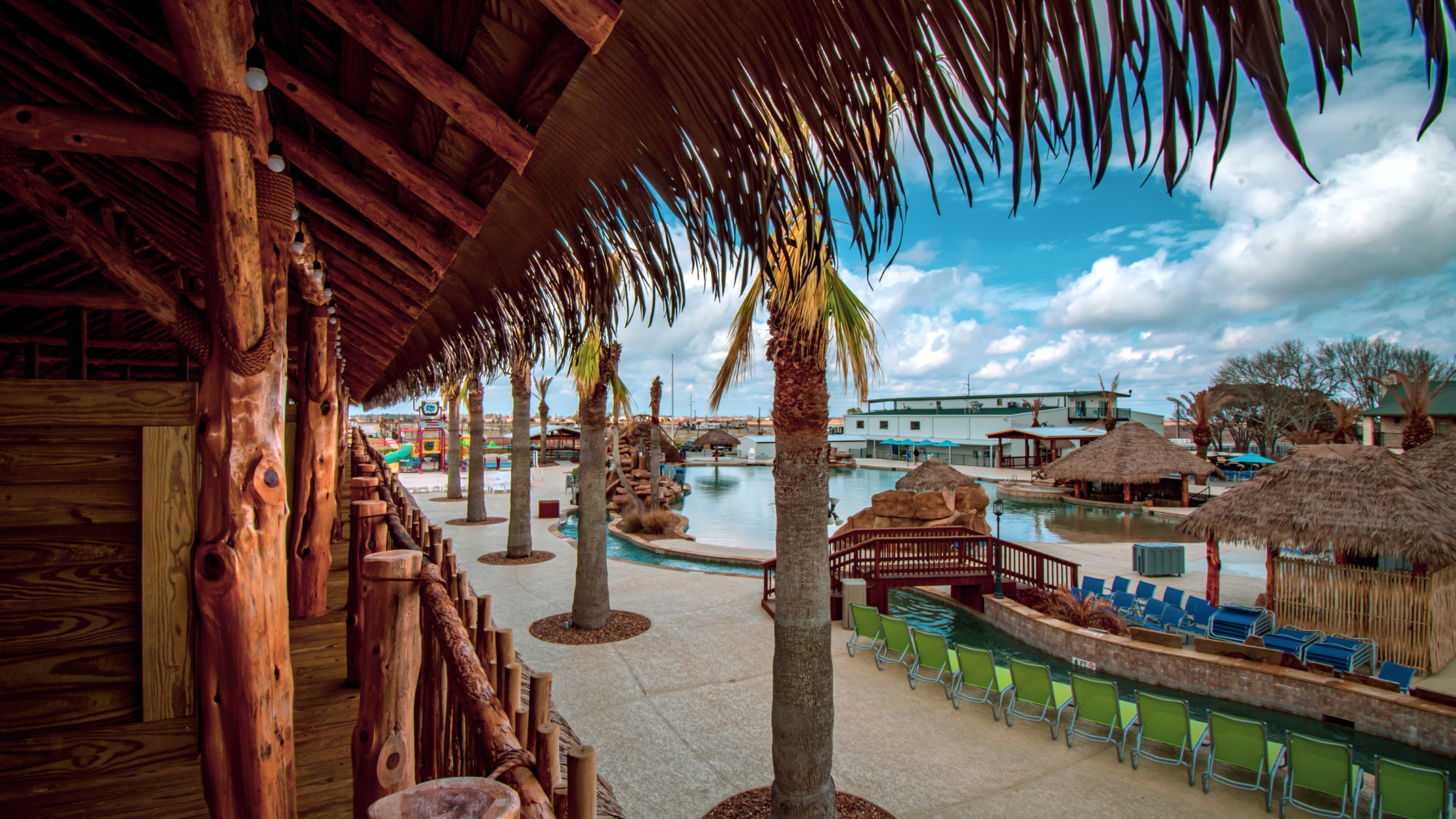
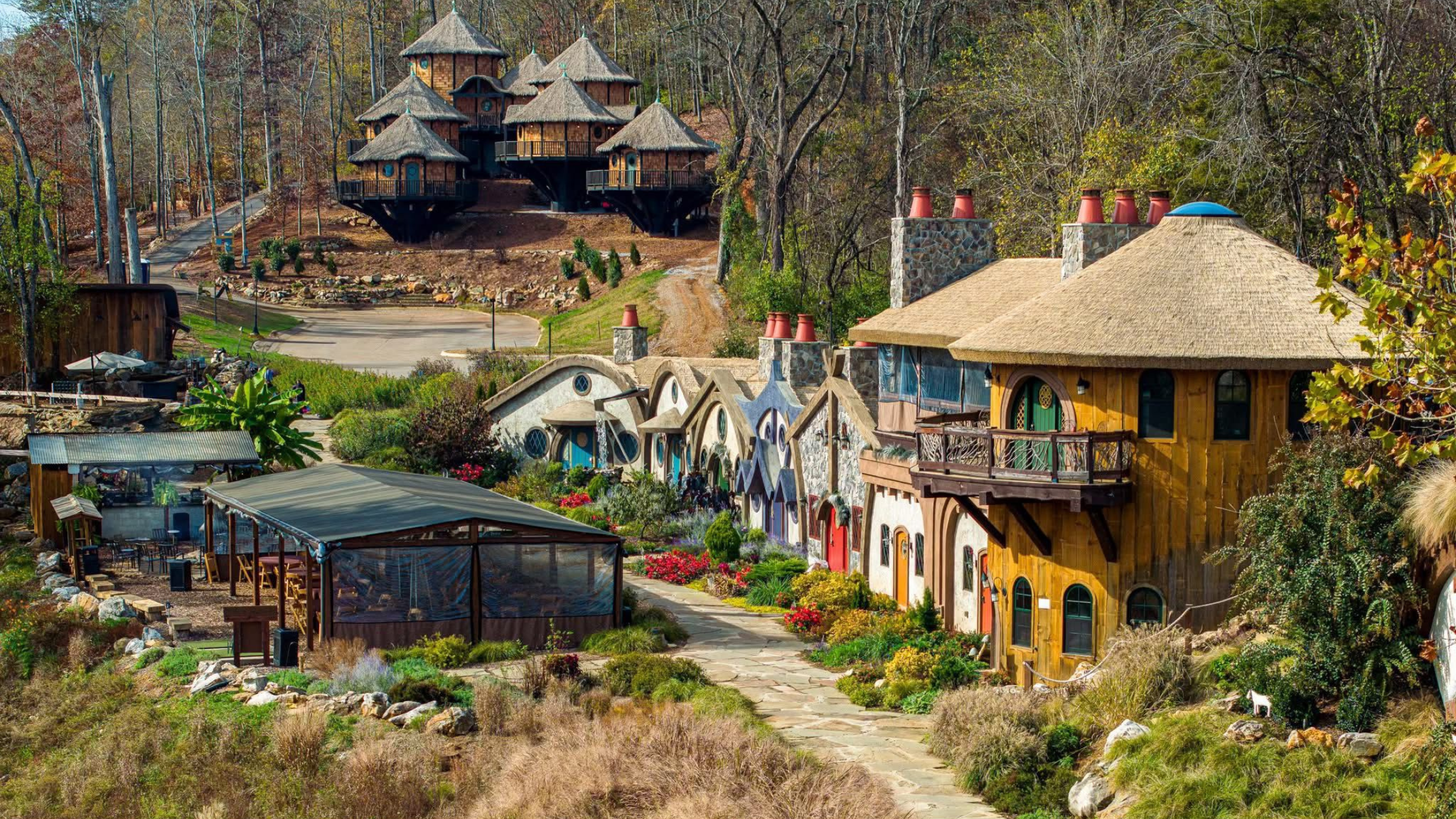
Resorts are in constant pursuit of a distinctive atmosphere that combines luxury with the natural beauty of their surroundings. While traditional roofing materials such as asphalt shingles, wood, and metal have long been the standard, they often fall short in delivering the unique, immersive experience that guests seek.
Aging thatched roofs have become a common issue in today’s scope. It’s no secret that natural thatch roofing has been used throughout human history. The materials are easy to gather, and they’re effective at keeping buildings warm against the elements, which has served homes well for thousands of years.