African Yellow Thatching Grass: The Look, Engineered to Last
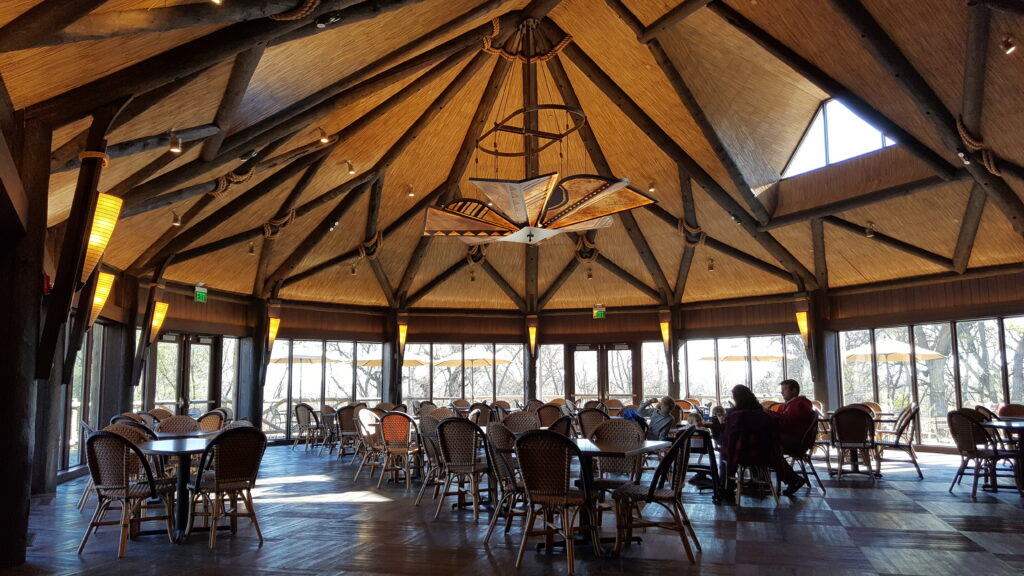
Few roofs carry the warmth of a southern African lodge. Golden grass, loosely trimmed and full of movement, catches the late light and softens every line of the building beneath it.
Much of that character comes from one plant: yellow thatching grass.
What Is Yellow Thatching Grass?
Yellow thatching grass (Hyperthelia dissoluta) is a tall, tufted grass that can reach 3 meters. Its stems are yellow, and its flower heads carry purplish-red tones. It grows across sub-Saharan Africa and Madagascar, often in sandy bushveld and open grassland.
It has long been used for thatch, both on rural homes and in high-end lodge and residential construction. The craft is serious enough that South Africa has a national standard for coarse thatching grass, specifying a minimum cut length of 1.2 meters. Alongside it, common thatching grass (Hyparrhenia hirta) is one of the most widely used thatching grasses in South Africa.
The Look of South African Grass Thatch
Grass thatch in this tradition is not tightly groomed. Its trim is looser, and individual strands stay visible across the roof. The surface reads as natural and slightly irregular, with gold, straw and reddish tones shifting as the light changes.
Where Natural Grass Thatch Falls Short
- Fire. Dry grass burns readily, and thatch fires are difficult to put out.
- Upkeep. Natural grass weathers, sheds and eventually needs replacing.
- Pests and moisture. Organic material attracts nesting animals and insects, and holds water.
- Distance. Outside southern Africa, quality thatching grass and the thatchers who know how to lay it are hard to find.
Capetown: South African Grass Thatch, Engineered
Capetown is drawn from traditional South African yellow grass thatch. It keeps the looser trim and expressive strand profile that set this style apart from tighter thatch, so the roof feels natural and intentionally irregular rather than uniform. Its color blend picks up the yellow, red and purple hues of the native grass.
The performance is engineered:
- Class A fire rated, with Endureed FlameCore Technology
- PVC strands with a stainless steel binder; no rot, pests or shedding
- 30-year no-maintenance warranty
- Florida Product Approval FL21047
- Installs on pitches of 3:12 or steeper, over plywood, concrete or metal
- Ceiling shingles available to carry the thatch onto the underside
Designing an African-Inspired Space
Capetown suits safari lodges, zoo habitats and guest experiences, African-inspired restaurants, and residences that want a warmer, more textured roofline. For a bolder, heavier texture, consider Kilimanjaro, drawn from East African highland and savanna architecture.
For projects that go further, Endureed’s Bespoke service builds custom roofs. At the San Diego Zoo Safari Park, a Bespoke roof helped Mkutano House, a 19,700 sq ft lodge, stand in for an East African safari lodge.
Bring the Look to Your Project
See Capetown on real projects in the gallery, request a sample to see its color and texture up close, or contact our team to book a design consultation.