What Is the Best Thatched Roofing Material?
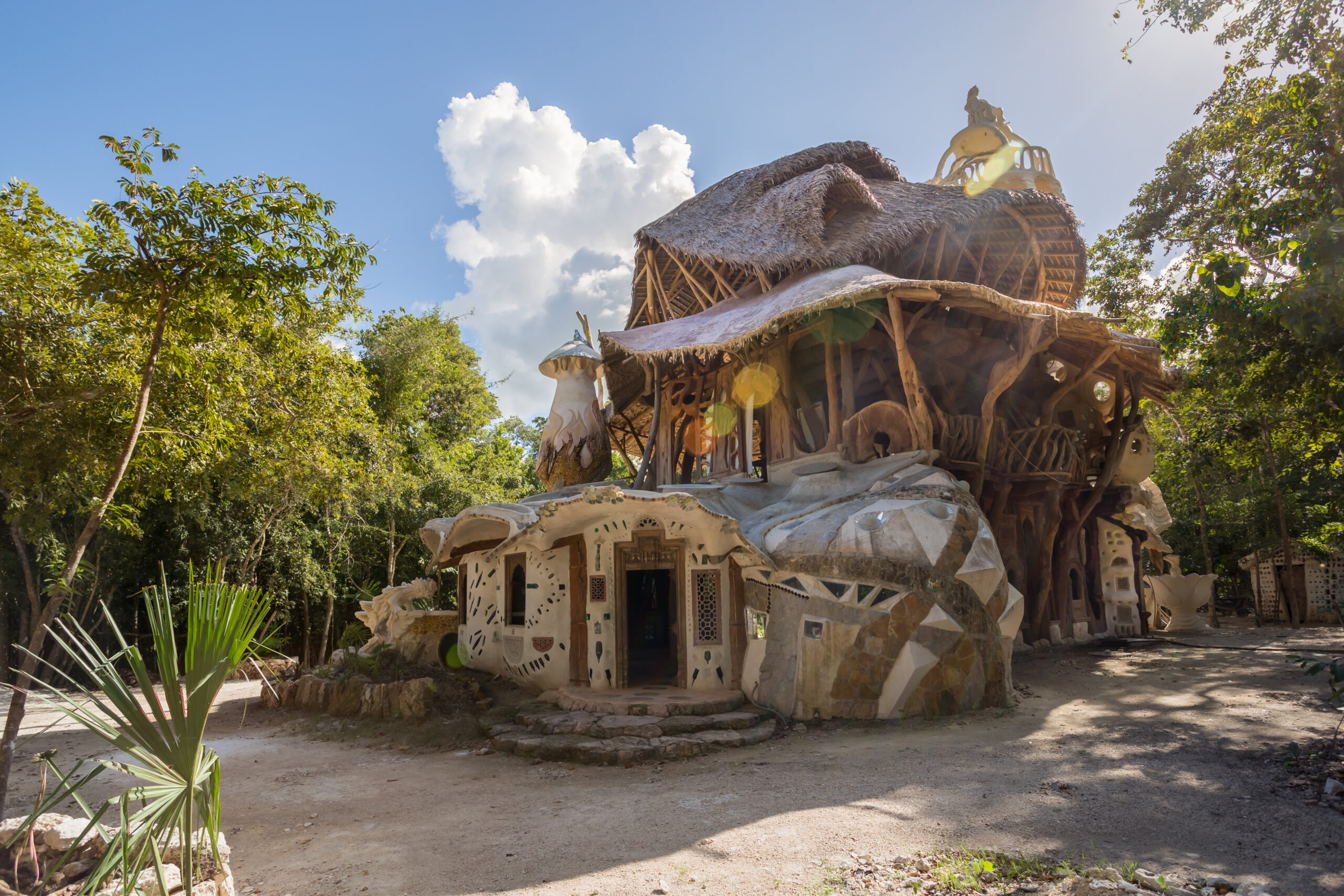
Thatch is one of the oldest roofing methods in the world. Builders used whatever grew nearby: water reed and straw in Europe, palm leaves in the tropics, and long grasses across Africa. The look has lasted for thousands of years because it works. It is warm, textured and instantly inviting.
Today the choice comes down to two paths: natural thatch or engineered thatch. Here is how they compare, and how to choose the right material for your project.
The Trade-offs of Natural Thatch
Natural thatch is beautiful, but it is still plant material, and it behaves like it.
- Shorter lifespan. Lifespan depends heavily on the material and climate, and many natural thatch roofs need replacing within 10 to 15 years.
- Fire risk. Dry plant fiber burns readily, and thatch fires are hard to put out. [LINK: fire post]
- Moisture and mold. Natural fibers absorb water, which feeds mold, moss and rot. [LINK: mold post]
- Pests. Birds, bats, insects and rodents can nest in natural thatch.
- Ongoing upkeep. Fire-retardant and pest treatments wear off and need reapplying, and damaged sections need repair.
What Engineered Thatch Is Made Of
Engineered thatch reproduces the texture and color of natural thatch in durable polymers. Endureed makes each line from a material suited to its job.
| Line | Material | Warranty | Fire rating | Best for |
|---|---|---|---|---|
| Basics | HDPE (high-density polyethylene) | 10 years | Not stated | Backyard structures, DIY projects |
| Performance | HDPE (Palm); PVC with 304 stainless steel (Reed and Grass) | 20 years | Class A | Resorts, restaurants, zoos and other commercial projects |
| Premium | Proprietary PVC with stainless steel binding | 30 years | Class A | Architectural and immersive projects, made to order |
All three lines are pest and rot proof and need no maintenance. They are engineered to resist UV degradation and color fade, and Performance and Premium add Endureed FlameCore Technology for fire performance.
Your Questions About Thatched Roofing, Answered
How long does a thatched roof last?
Natural thatch often needs replacing within 10 to 15 years, depending on material and climate. Endureed engineered thatch is backed by warranties of 10, 20 or 30 years, depending on the line.
Are thatched roofs warm?
Thick natural thatch is a good insulator, which is why it has a long history in colder places like England and the Netherlands. Engineered thatch is a thinner roofing layer, about 1-1/2″ installed, so insulation comes from the roof assembly beneath it. That makes it easy to pair with whatever insulation your climate calls for.
Can synthetic thatch handle snow?
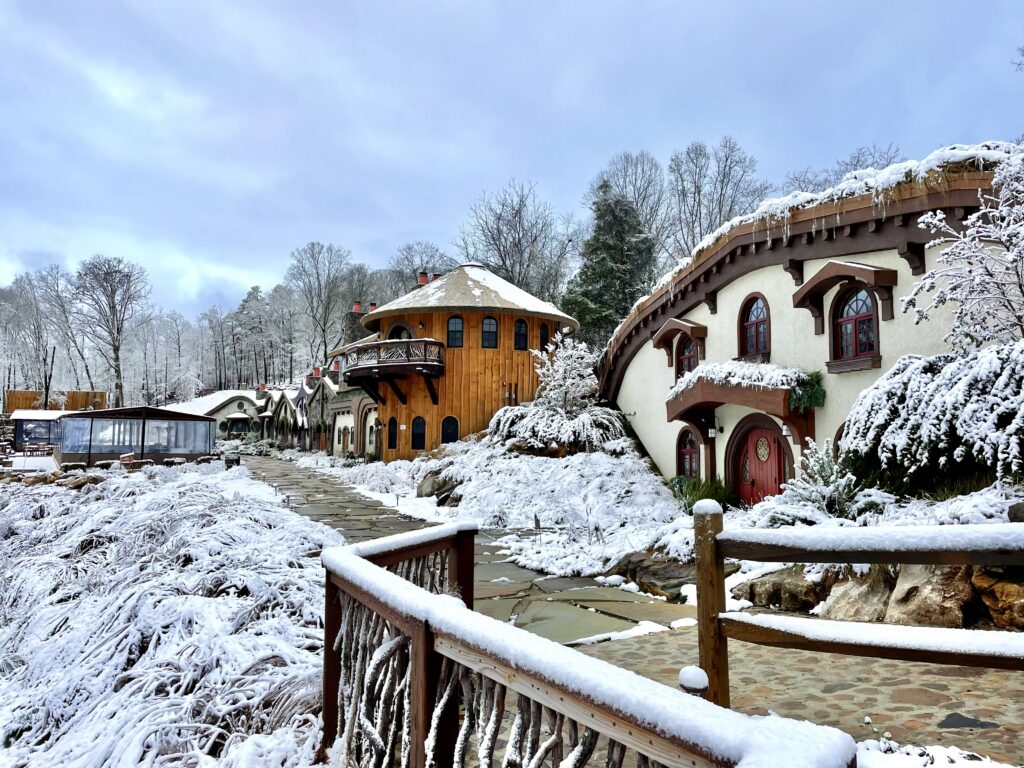
Yes. Endureed thatch is engineered for climates from heavy snow regions to the tropics. The Nashville Zoo is one example of an Endureed roof that sees real winters.
Do thatched roofs get moldy?
Natural thatch can, because it holds moisture. Engineered thatch does not absorb water or decay, so it gives mold no damp, organic base to grow on.
Can I install synthetic thatch myself?
Basics is designed for experienced DIYers, and all lines install much like asphalt shingles.
Choosing the Best Material for Your Project
For most projects today, engineered thatch is the better choice. It keeps the look of natural thatch and removes the fire, pest, rot and upkeep problems. The right line depends on what you are building:
- A backyard tiki hut or cabana: Basics
- A resort, restaurant or zoo: Performance
- A signature architectural project: Premium
See how each style looks on your own structure with the Endureed Visualizer, request a sample, or contact our team to talk through your project.