How to Avoid Thatch Roof Mold
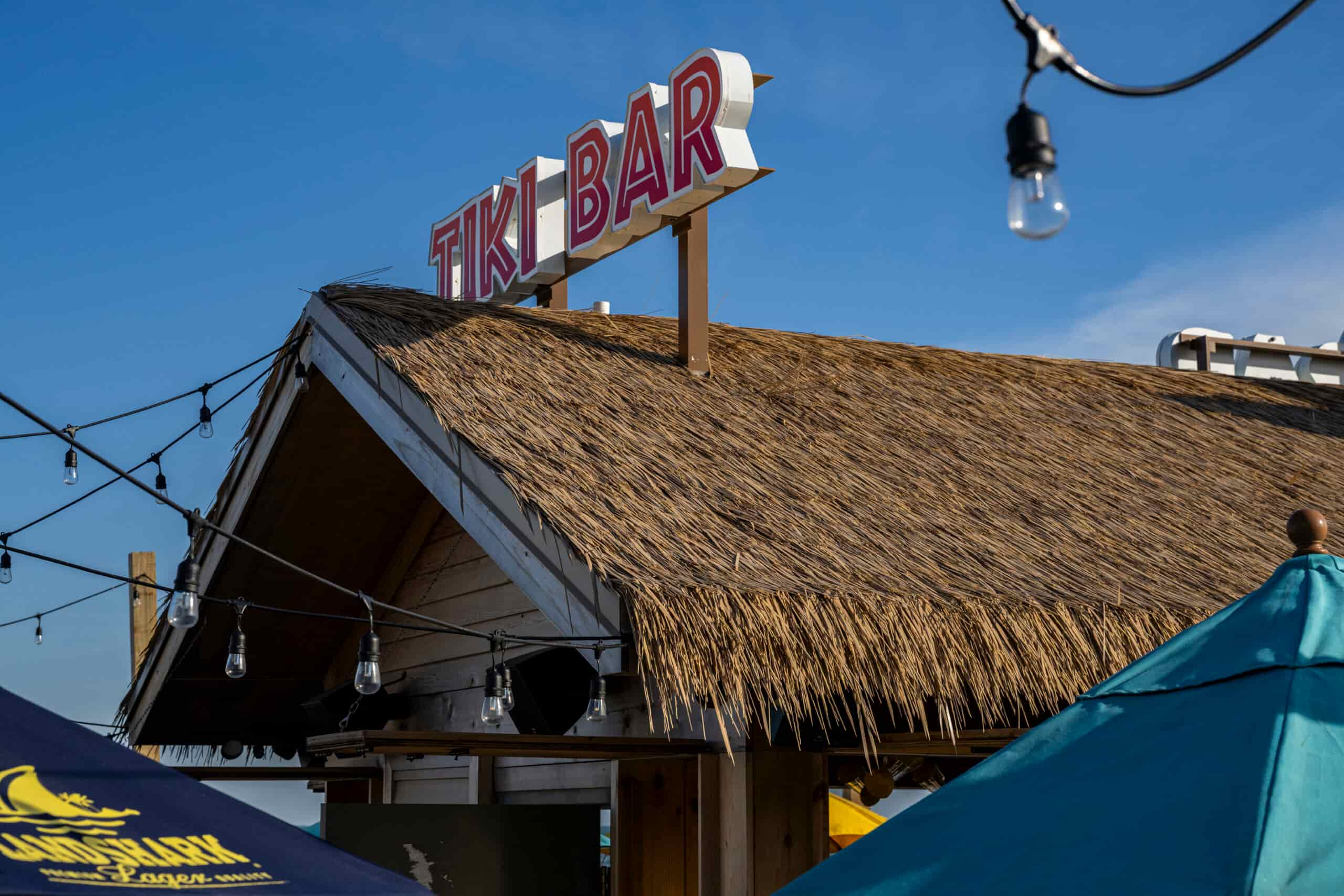
Few rooflines feel as inviting as thatch. It softens a backyard, sets the mood at a beach bar, and makes a resort feel far from home. Natural thatch has one persistent weakness, though: it holds water, and water is what mold needs to grow.
Here is why thatch roof mold forms, what it can mean for the people underneath, and how to keep the look without the problem.
Why Natural Thatch Grows Mold
Natural thatch is made of plant material such as palm leaf, reed, or grass. Those fibers absorb rain and dew, and a thick roof can stay damp for days after a storm. As the fibers age and break down, they also become food for mold, moss, and algae.
A few conditions make it worse:
- Shade. Roofs under trees or on north-facing slopes dry slowly.
- Humidity. Coastal and tropical climates keep moisture in the air year-round.
- Low pitch. Shallow roofs shed water more slowly than steep ones.
- Debris. Leaves and organic litter trap moisture against the surface.
The usual warning signs are dark streaks or patches, green growth, a musty smell, and fibers that feel soft or crumble when touched.
How Thatch Roof Mold Affects Health
Mold is more than a cosmetic issue. According to the U.S. Environmental Protection Agency, molds produce allergens and irritants, and touching or breathing in mold spores can cause allergic reactions in sensitive people.
Those reactions often look like hay fever: sneezing, runny nose, red eyes, and skin rash. Mold can also trigger asthma attacks in people who are allergic to it, and its irritants can affect people who have no mold allergy at all.
That matters most under a roof where people relax, eat, or sleep. A cabana, a pool bar, or a dining pavilion is meant to be a place guests want to linger.
How to Reduce Mold on a Natural Thatch Roof
If you already have a natural thatch roof, these steps help it dry faster and stay healthier:
- Trim back overhanging branches to let in sun and air.
- Clear leaves and debris from the roof surface regularly.
- Keep gutters, ridges, and eaves in good repair so water runs off.
- Have a qualified thatcher inspect the roof each year and treat problem areas.
- Replace sections that have started to rot before mold spreads.
These measures slow the problem. They do not remove it, because the material itself still absorbs water and still breaks down over time.
The Look of Natural Thatch. Without the Worry.
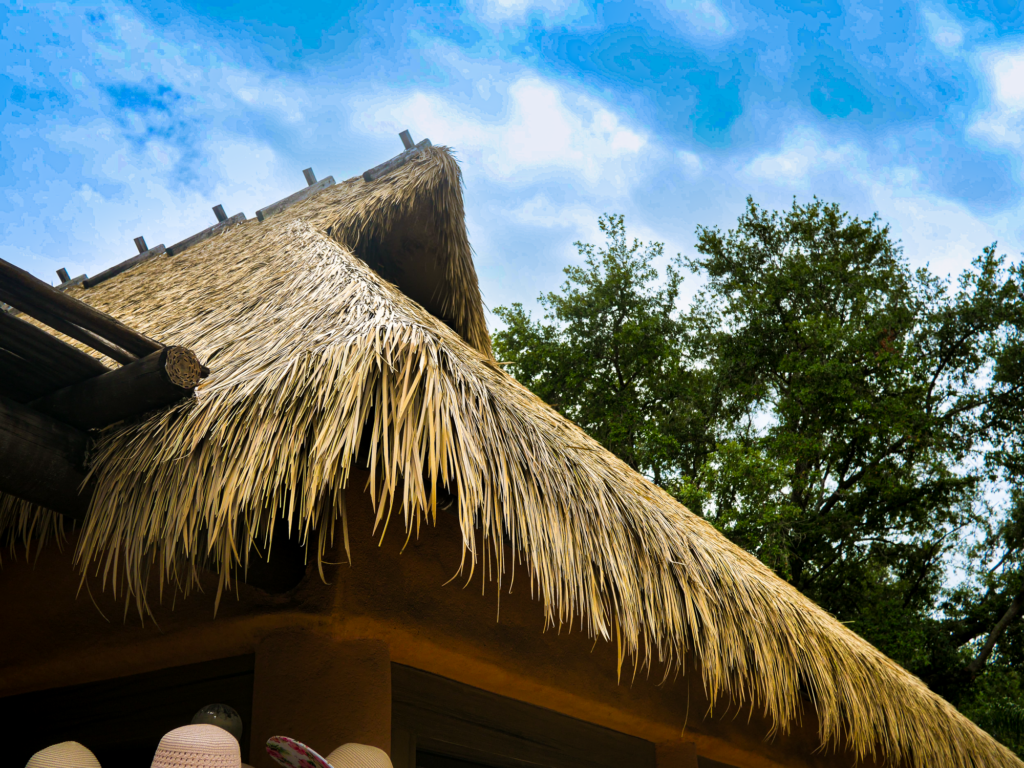
Endureed engineered thatch takes a different approach. Each strand is made from proprietary PVC and secured with stainless steel binding, so the roof does not absorb water or decay. With no damp, organic base to grow on, the roof itself gives mold nowhere to take hold.
It also brings the performance natural thatch cannot: a Class A fire rating, wind resistance up to 200 mph, and warranties of up to 30 years. Endureed has made engineered thatch in the U.S. for more than 25 years, for backyards, restaurants, resorts, and zoos around the world.
- For homes: Basics brings a relaxed, resort-inspired look to tiki huts, pergolas, and backyard structures.
- For commercial projects: Performance Palm is built for resorts, waterfront venues, and regulated environments.
See the Difference Up Close
The best way to judge texture and color is in your hand. Request a sample, or contact our team to talk through your project. Contractors are welcome to reach out directly.