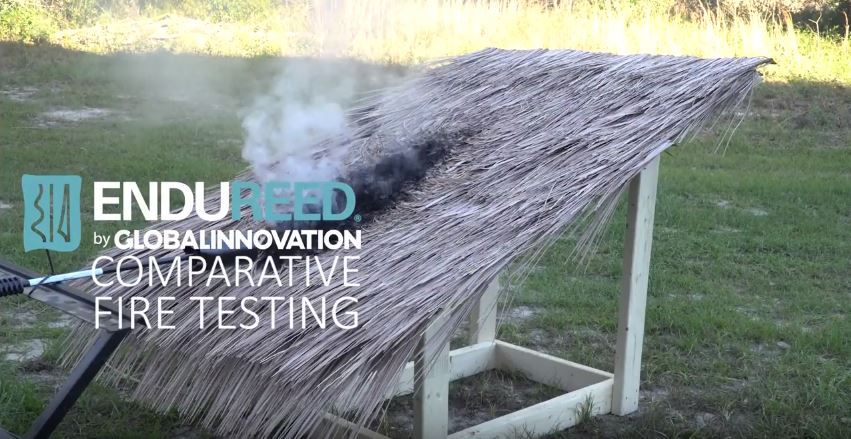
Al elegir paja natural para su proyecto de techado, es posible que tenga que prescindir de la estufa de leña. Esto es una lástima, ya que quienes aprecian el aspecto de un techo de paja también suelen apreciar las estufas de leña. Aun así, los instaladores de paja natural generalmente recomiendan a sus clientes consultar con su compañía de seguros antes de instalar una estufa de leña.
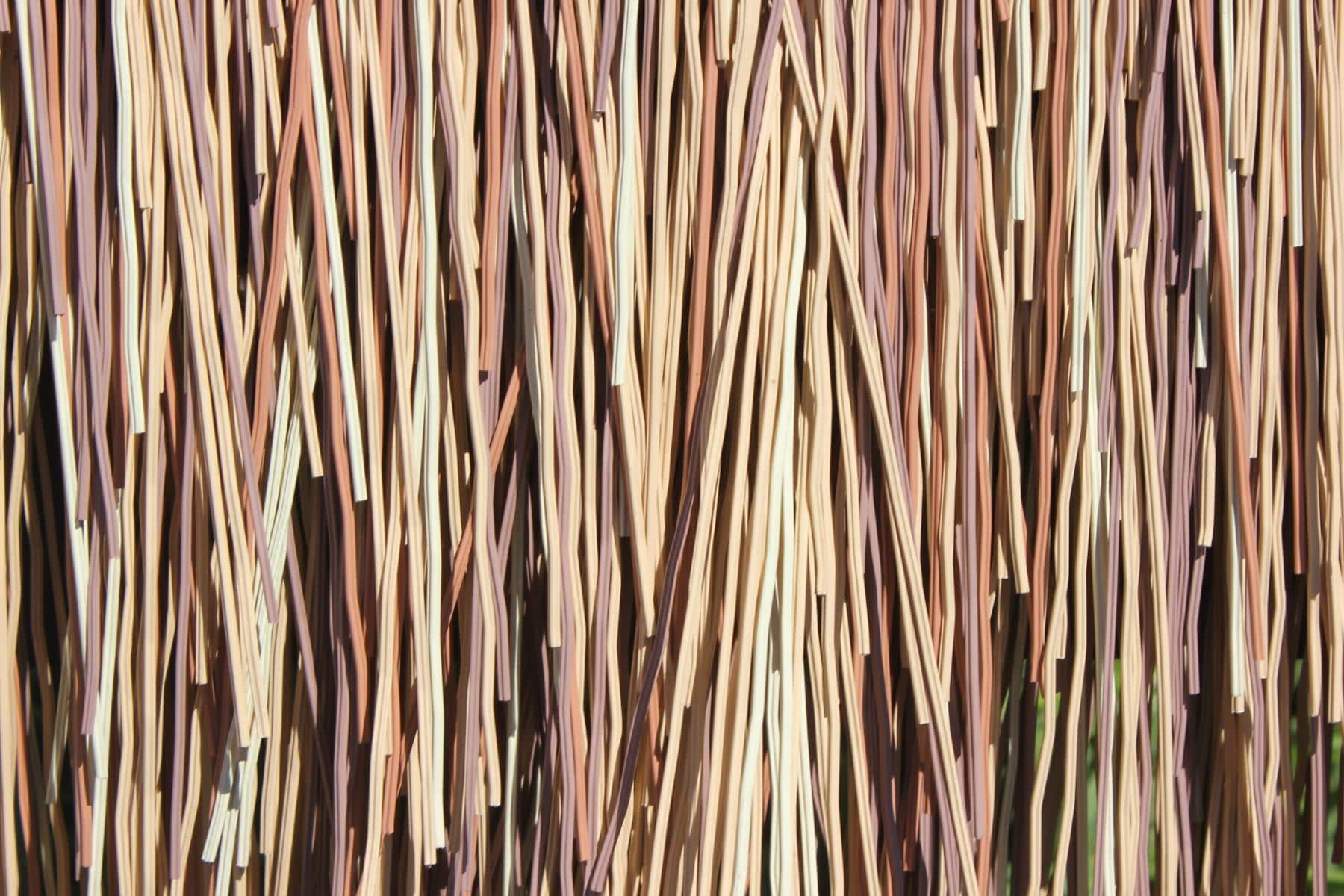
El material para techos de paja sintética de Endureed supera a muchos otros sistemas de techado en cuanto a la conservación de su color original. Nuestra paja sintética ha sido probada a lo largo del tiempo. El color no se desvanecerá, al menos durante décadas. Nos esforzamos al máximo para crear la paja sintética con la apariencia más auténtica. Entendemos que un color auténtico es fundamental para nuestros clientes.
Una de nuestras preguntas más frecuentes es: "¿Cómo puedo comprar sus productos para techos de paja sintética?". Endureed envía la serie de paja sintética Regions directamente desde nuestra oficina en EE. UU. al cliente. Vendemos directamente a clientes de todo el mundo.
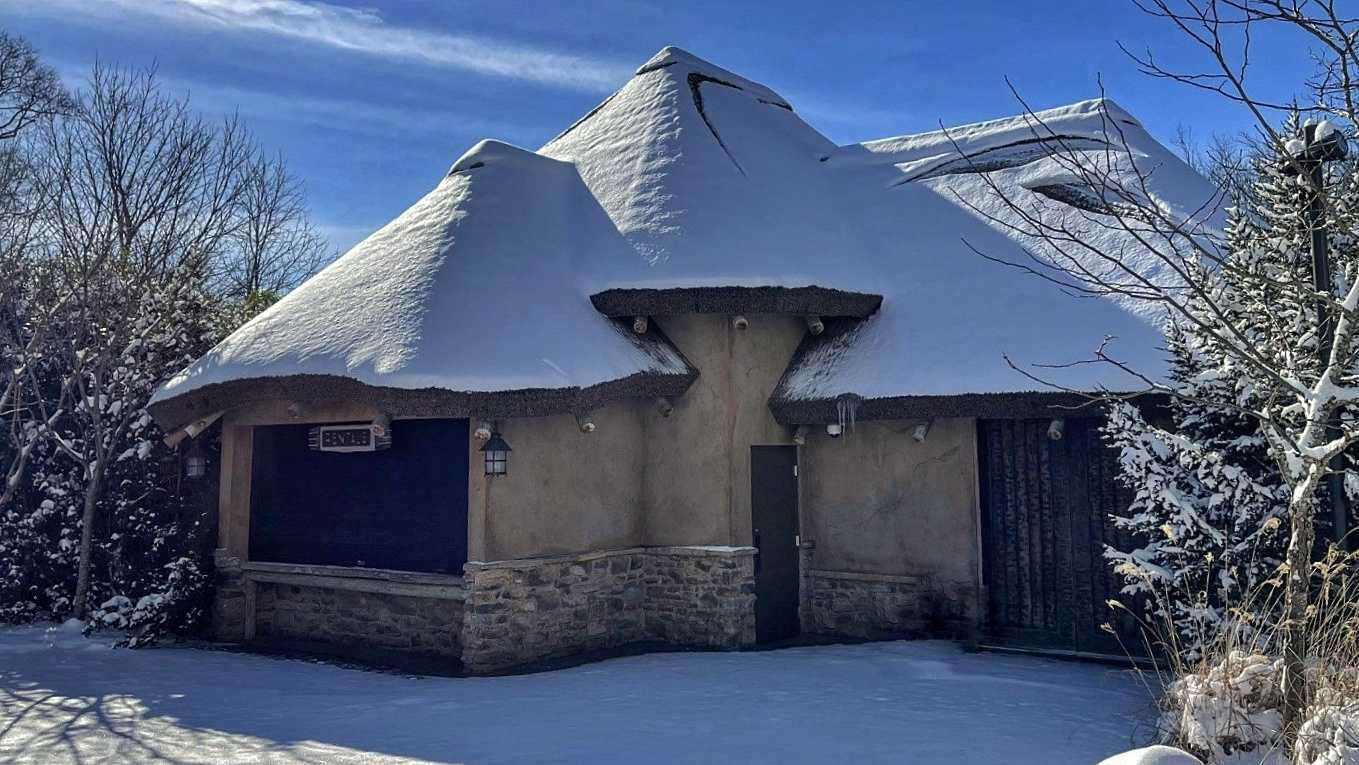
Una de nuestras preguntas más frecuentes es si nuestros techos de paja se pueden usar en zonas con fuertes nevadas. ¡Sí! Endureed se puede usar en todo tipo de clima. Puede usar nuestros techos de paja sintética en la tundra siberiana o en el desierto del Kalahari. ¡Y sí, incluso puede usar la paja sintética Endureed para techar una cabaña en los nevados Alpes del norte!
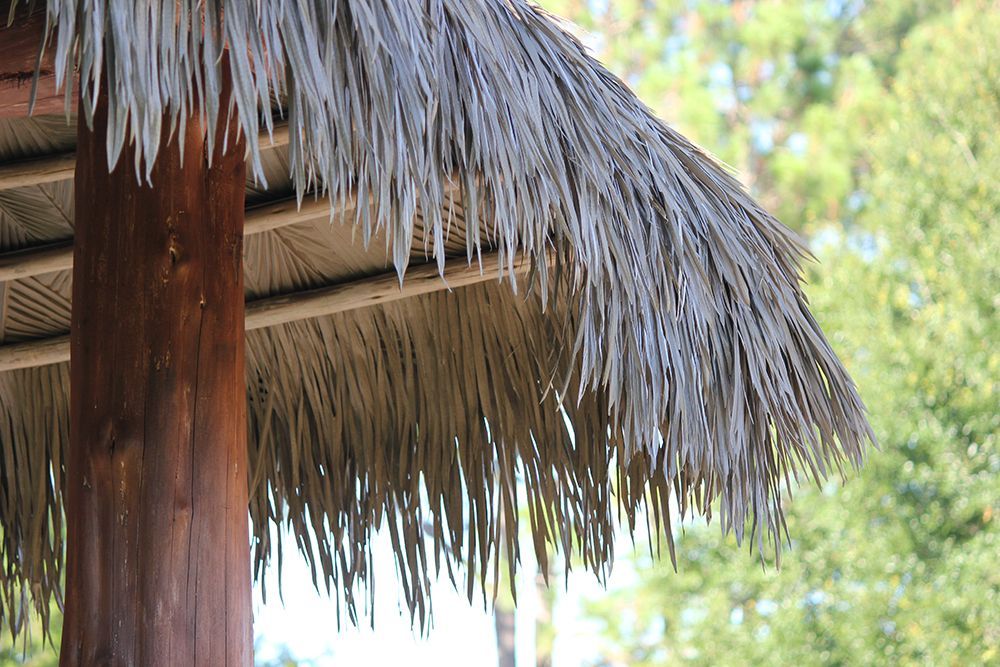
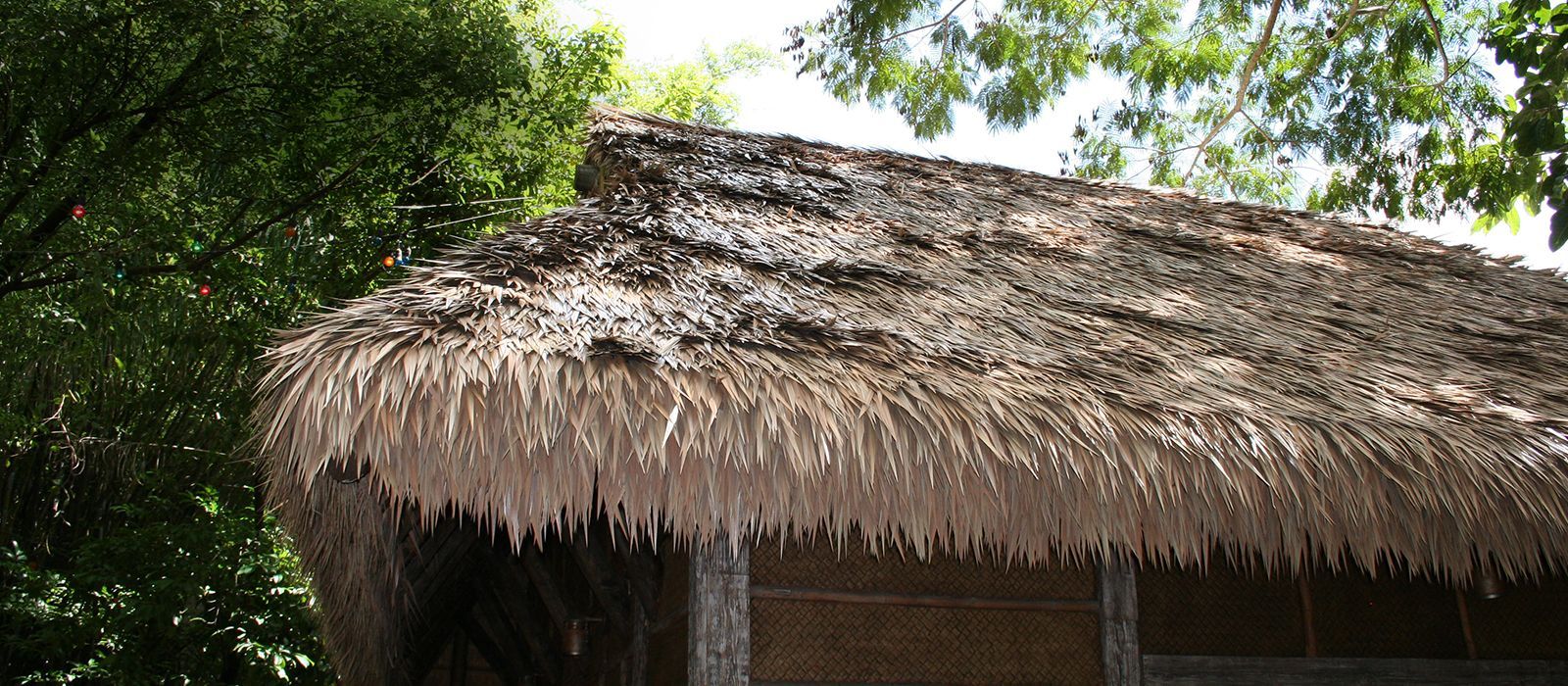
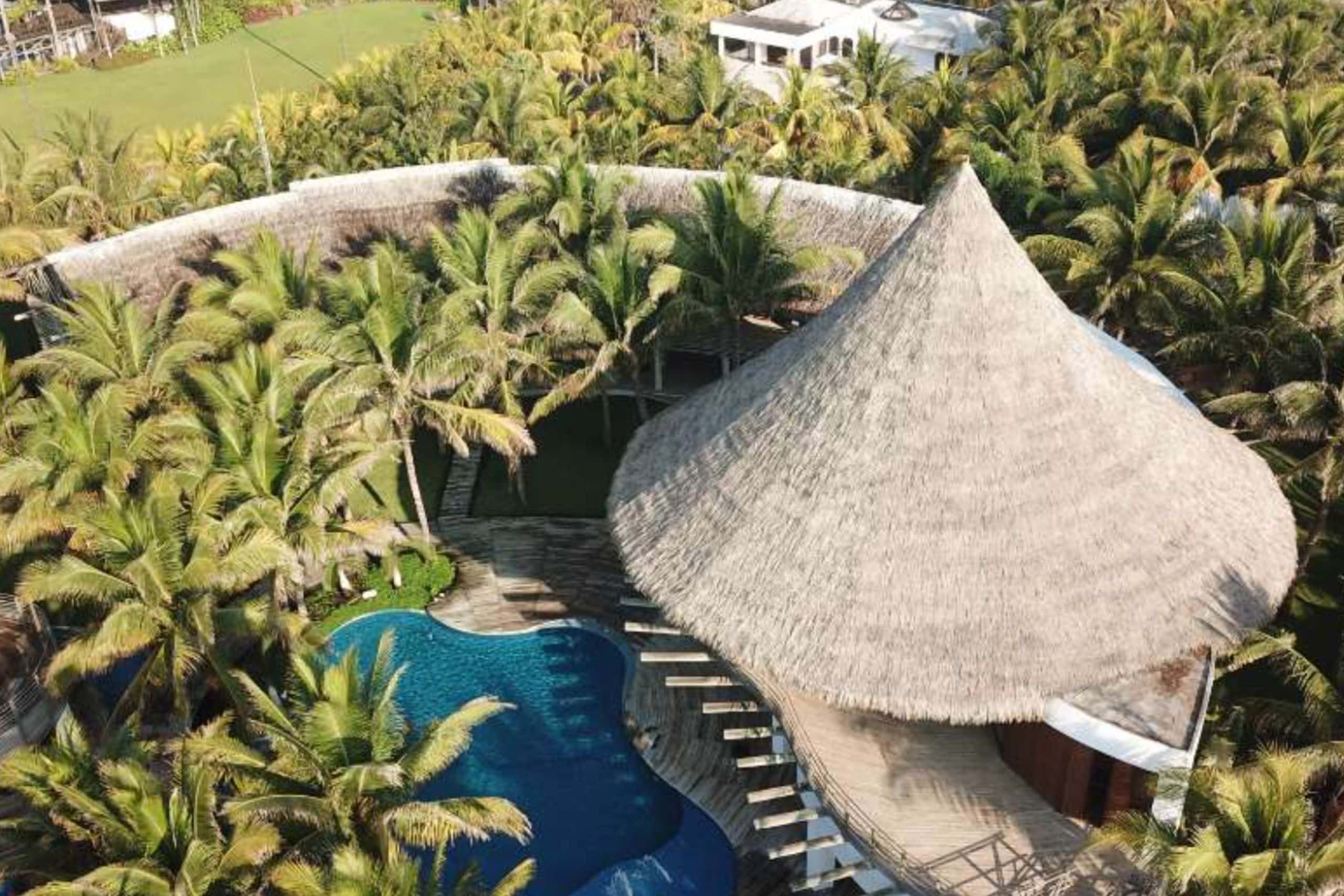
Los propietarios a menudo nos preguntan qué tipo de paja sintética es la más adecuada para el techo de una cabaña. Para ellos, las cabañas son una forma única y hermosa de proporcionar sombra. Cerca de la piscina, también suelen usarse para cambiarse de ropa o descansar. A menudo, las cabañas parecen una cabaña. Creemos que la paja sintética es el material perfecto para el techo de una cabaña.
Una de las preguntas más frecuentes es: "¿Es Endureed una opción de techo de paja sintética para instalar uno mismo, o tengo que contratar a un contratista?". No vamos a afirmar que todo el mundo pueda instalar su propio techo de paja sintética con nuestros productos. La verdad es que no todos tienen acceso a las herramientas necesarias para instalar nuestros productos. Además, no todos tienen los conocimientos necesarios para un proyecto de techado por cuenta propia.
Una de las preguntas más frecuentes es: "¿Necesitaré instalar una malla para proteger mi techo de paja Enduraed de pájaros y otras plagas?". Es una buena pregunta. Al fin y al cabo, nuestros productos tienen el aspecto y la textura de la paja natural.
Las palmeras tropicales han sido utilizadas por los humanos desde tiempos inmemoriales. Se extraía su savia para elaborar bebidas como el vino de palma. También se utilizaban para fabricar cosméticos, jabones, artesanías, ropa, joyas, juguetes, instrumentos musicales y muebles. Partes de las palmeras tropicales se transformaban en armas, medicinas, se empleaban en rituales y se convertían en adornos.