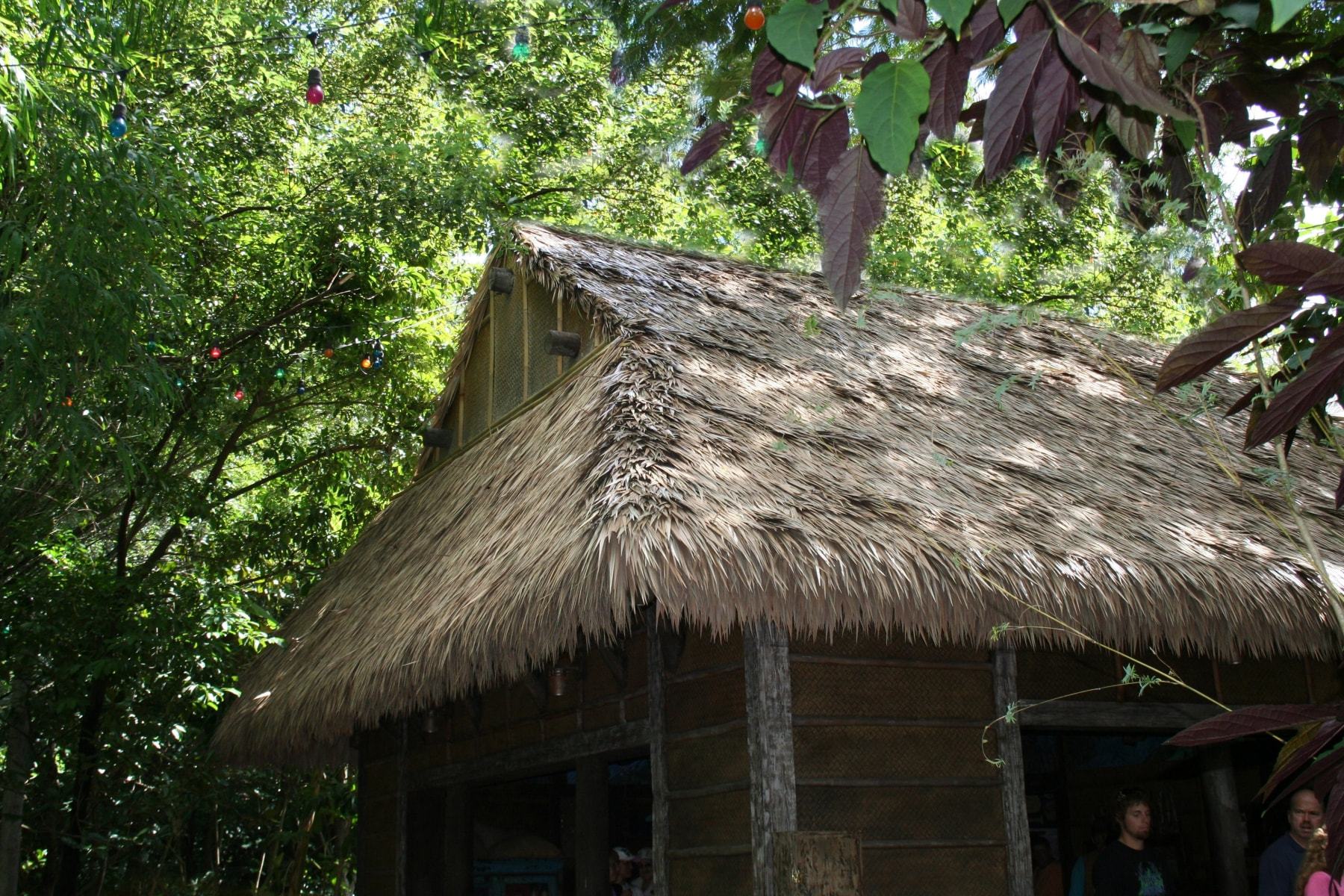
Many thatched roof structures don’t have gutters. Some use dripline trenches to collect and infiltrate rainwater from the rooftop instead. A dripline trench installation controls erosive runoff water from the rooftop. These trenches store the rainwater until it soaks into the soil. They reduce back-splash and protect the house and prevent water from pooling near the foundation.
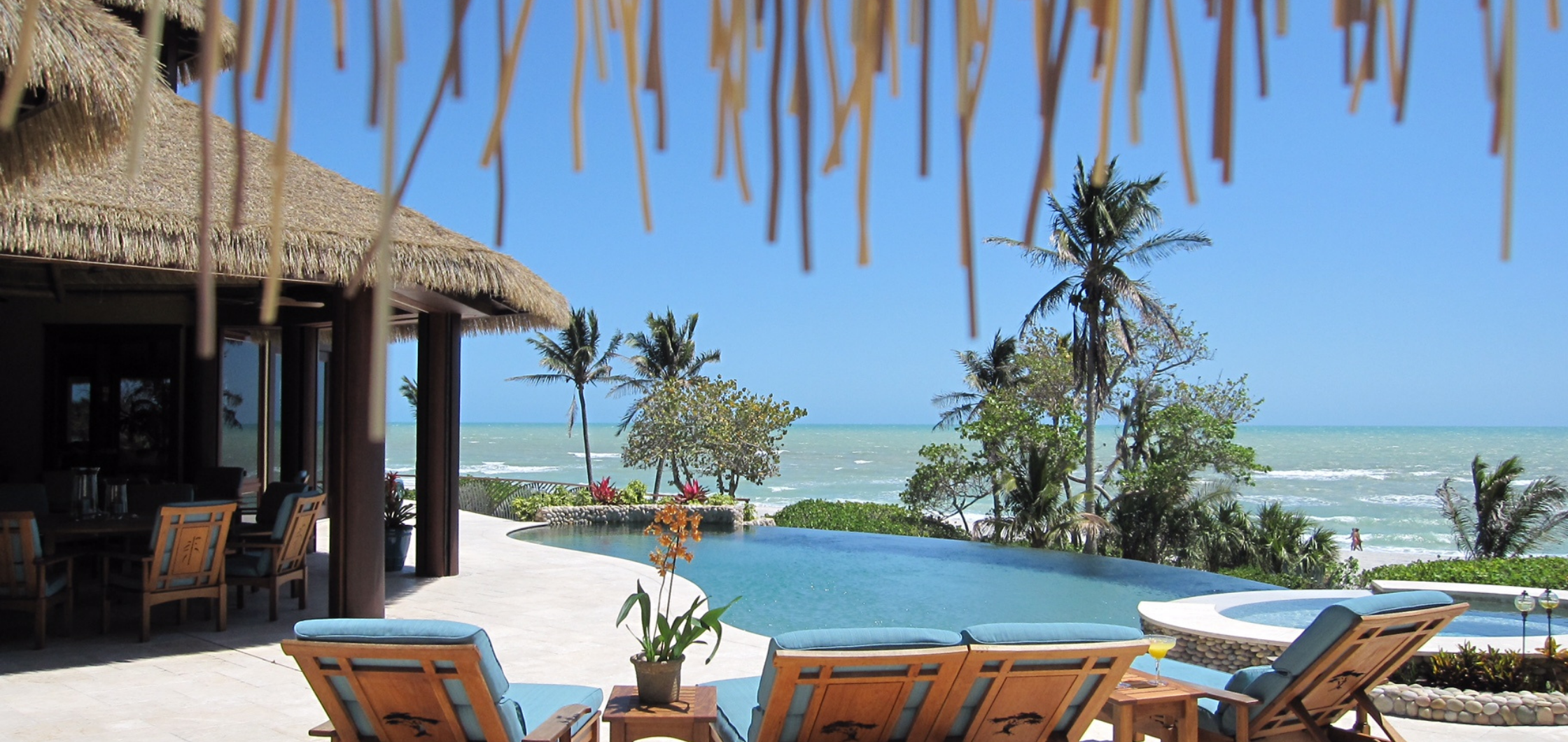
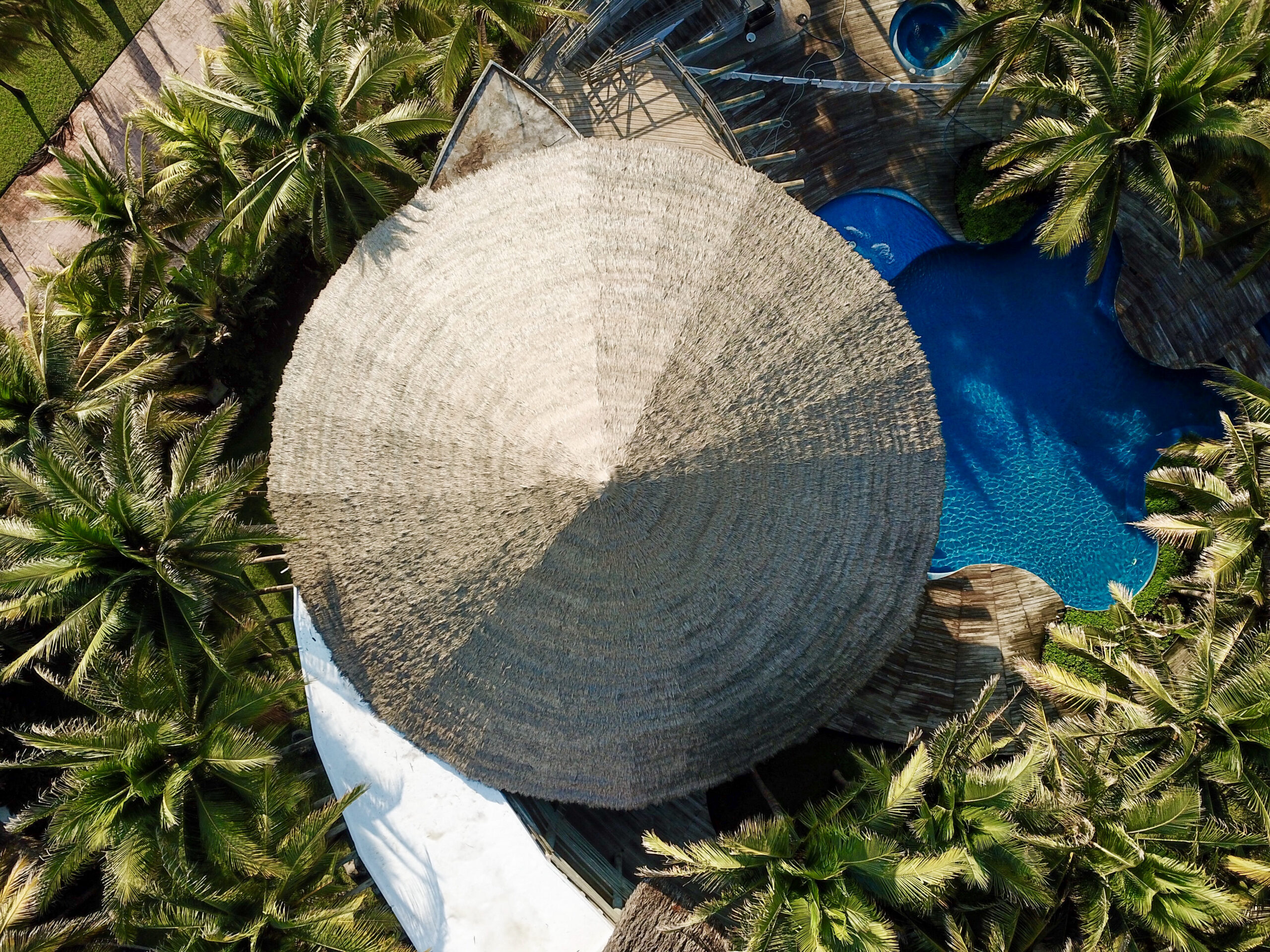
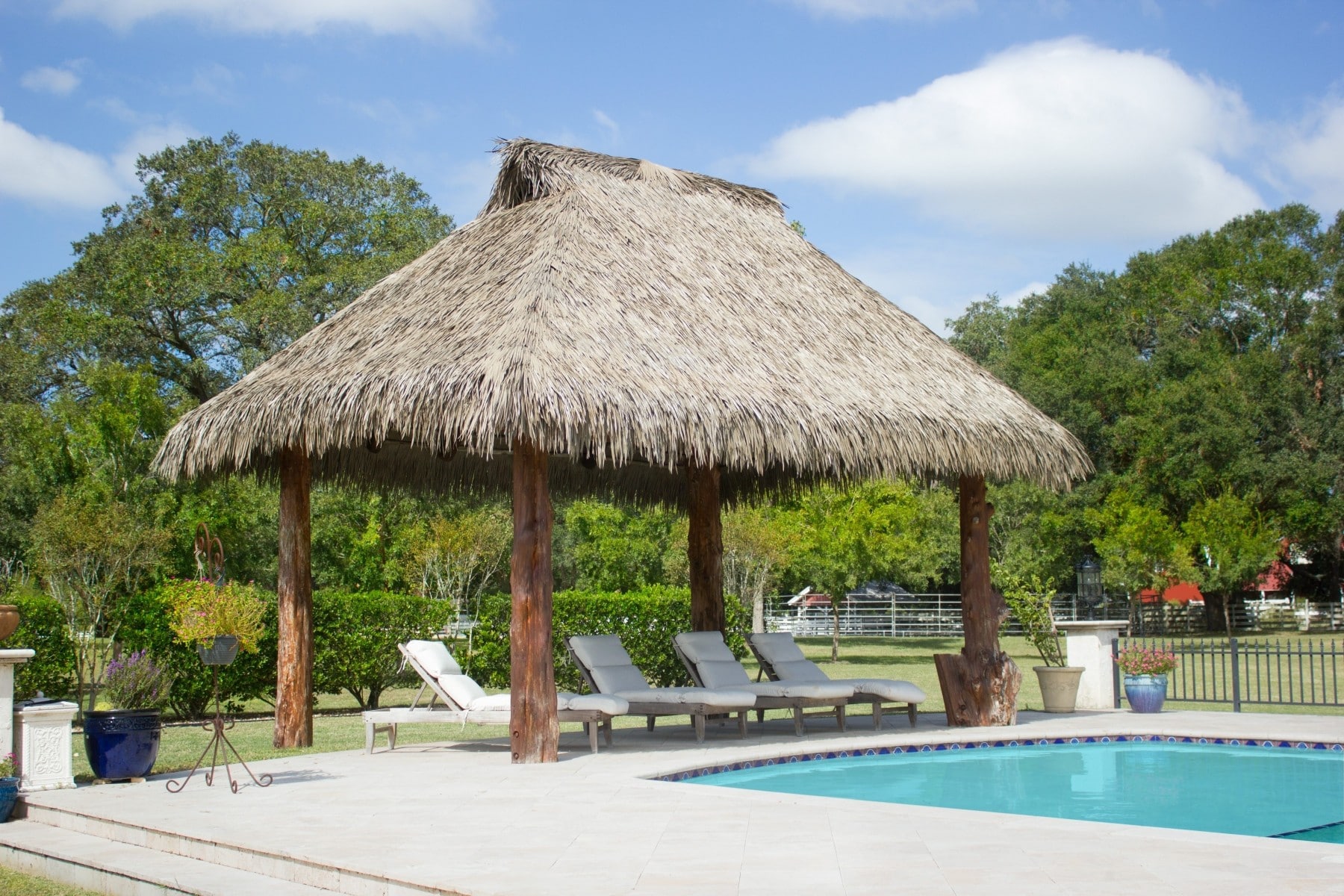
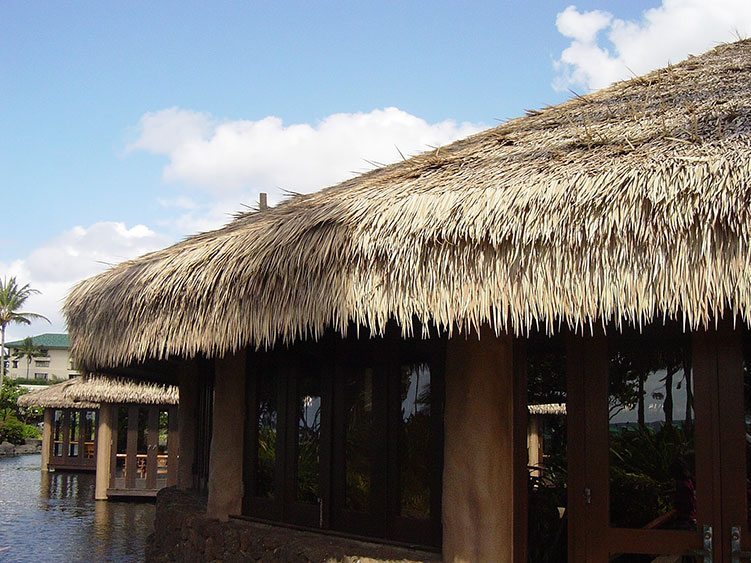
Would you like an authentic South Pacific look for your next roofing project? You don’t have to resort to natural thatch roofing materials to get the same South Pacific ambiance. Let’s face it, if you choose natural thatch, you are signing up for a lifetime of maintenance. Endureed’s Bali synthetic thatch perfectly replicates natural thatch material used in the South Pacific Islands. We designed this product to match the fine grass thatch found in East Asia. Thick Balinese style hips complete the look.
La paja artificial se instala como una teja. La paja natural requiere un maestro techador, tratamiento contra incendios continuo y mantenimiento periódico. Esto es lo que los contratistas deben saber antes de la próxima especificación de paja.
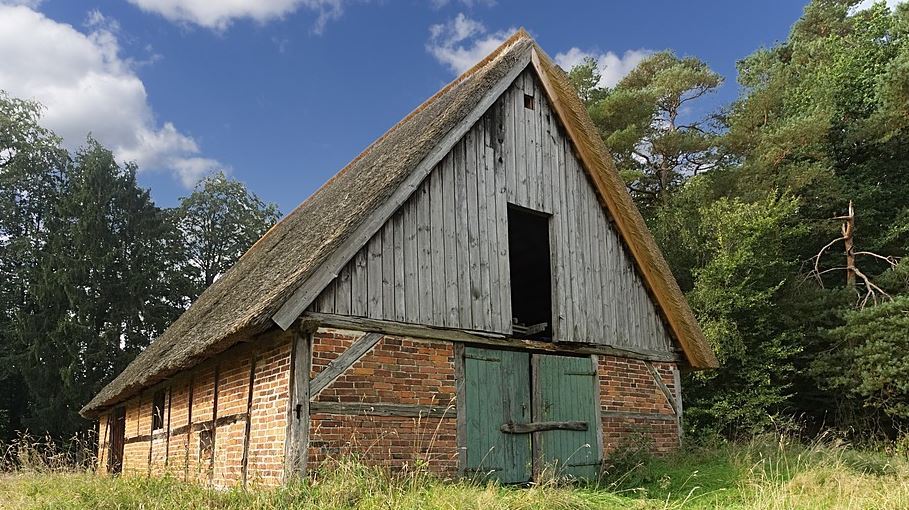
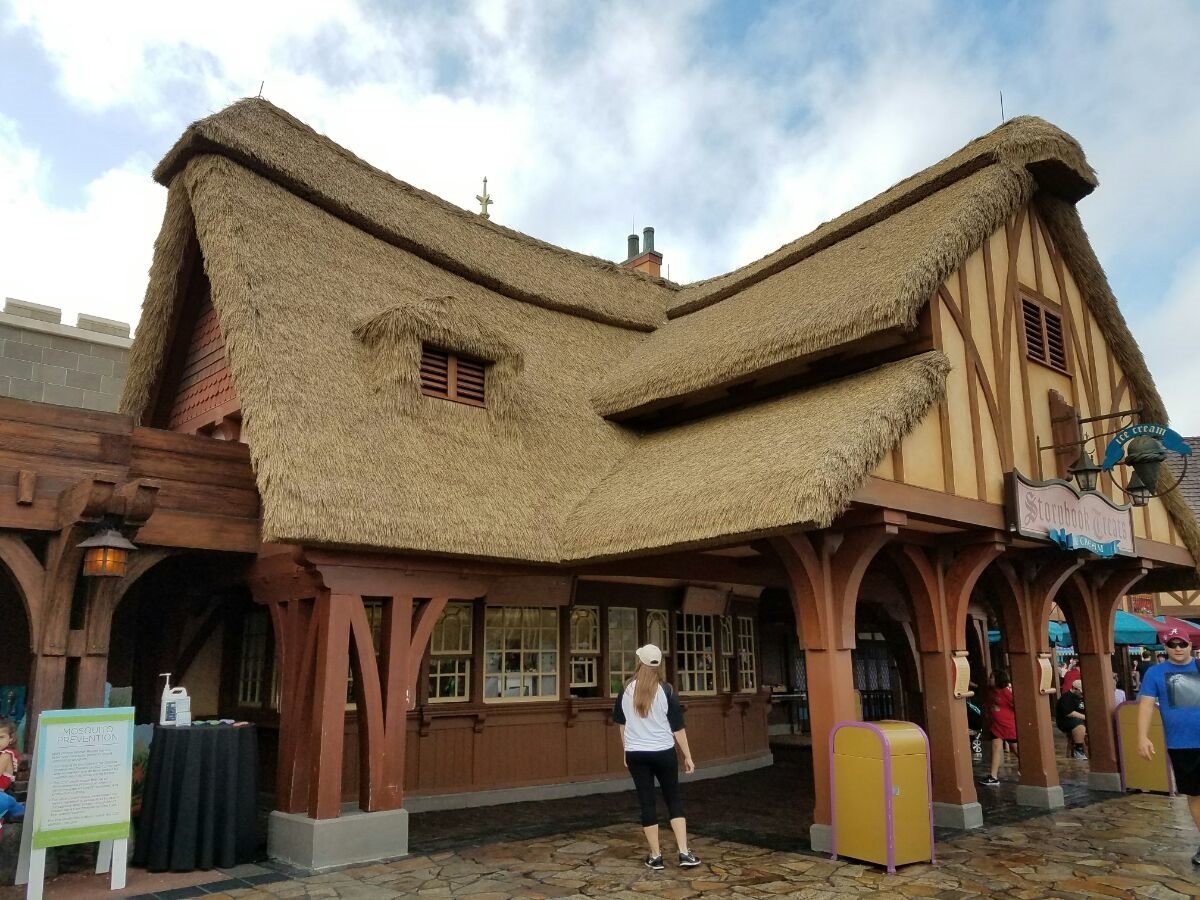
Los graneros y edificios agrícolas con techo de paja han sido un atractivo visual en lo que hoy es el Reino Unido durante al menos un milenio. Los constructores de la antigua Gran Bretaña, Irlanda y Escocia utilizaban hierbas que se encontraban fácilmente en el campo. Sin embargo, con el tiempo, este oficio comenzó a quedar en desuso. Las necesidades y los problemas modernos hicieron que los graneros con techo de paja fueran cada vez menos una opción.
La mayoría de los contratistas consideran que la paja sintética Endureed es la mejor del mundo. Agradecemos que nos hagan este tipo de elogios en las reseñas, por supuesto. ¿Por qué los contratistas adoran tanto nuestros productos? Es sencillo: los resultados de agencias de pruebas independientes demuestran constantemente que nuestros productos son superiores. Aun así, hay varios factores que los hacen superiores a muchos otros productos similares en el mercado.
Los clientes que ya han usado este tipo de techo no tienen que preocuparse por el deslizamiento de la paja. Que nuestros techos se vean idénticos a los de paja natural no significa que compartan los mismos problemas. Uno de los principales problemas que puede presentar un techo de paja natural es el deslizamiento. La paja se deslizará.
Algunas personas no se dan cuenta de la importancia de compactar la paja al considerar techos de paja natural. Los techadores sin experiencia a veces no compactan la paja correctamente. Los propietarios de viviendas y negocios esperan un techo de paja impecable, pero debido a la habilidad técnica que requiere un buen techo de paja natural y a la falta de techadores disponibles, algunas personas se sienten muy decepcionadas.
Un problema con los techos de paja natural es la tendencia a gotear en las limahoyas. Las limahoyas de las casas con techo de paja generalmente no gotean al principio. Incluso si la paja natural no se instala correctamente, estas secciones no suelen gotear al principio.