Blogs
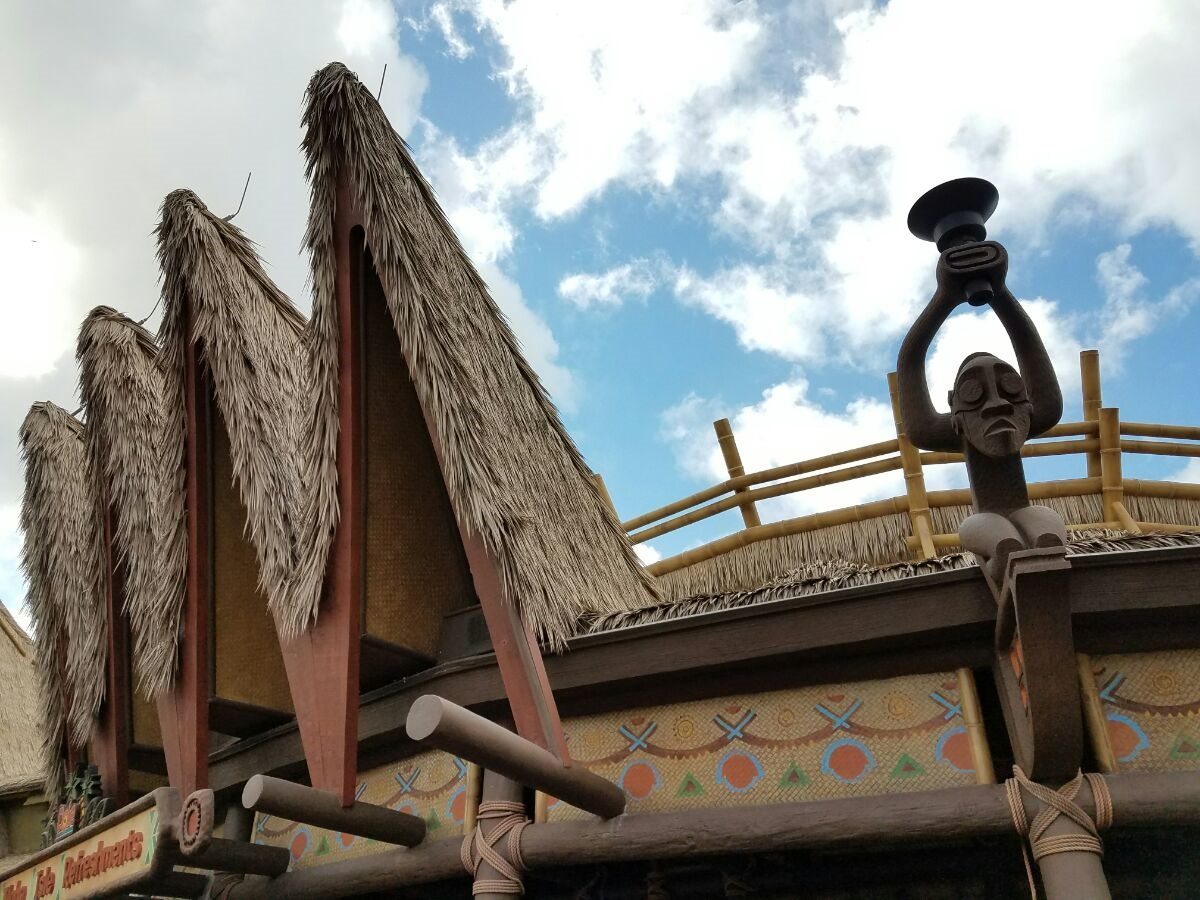
Su edificio podría beneficiarse enormemente con un techo de paja sintética, y su cuenta bancaria también.
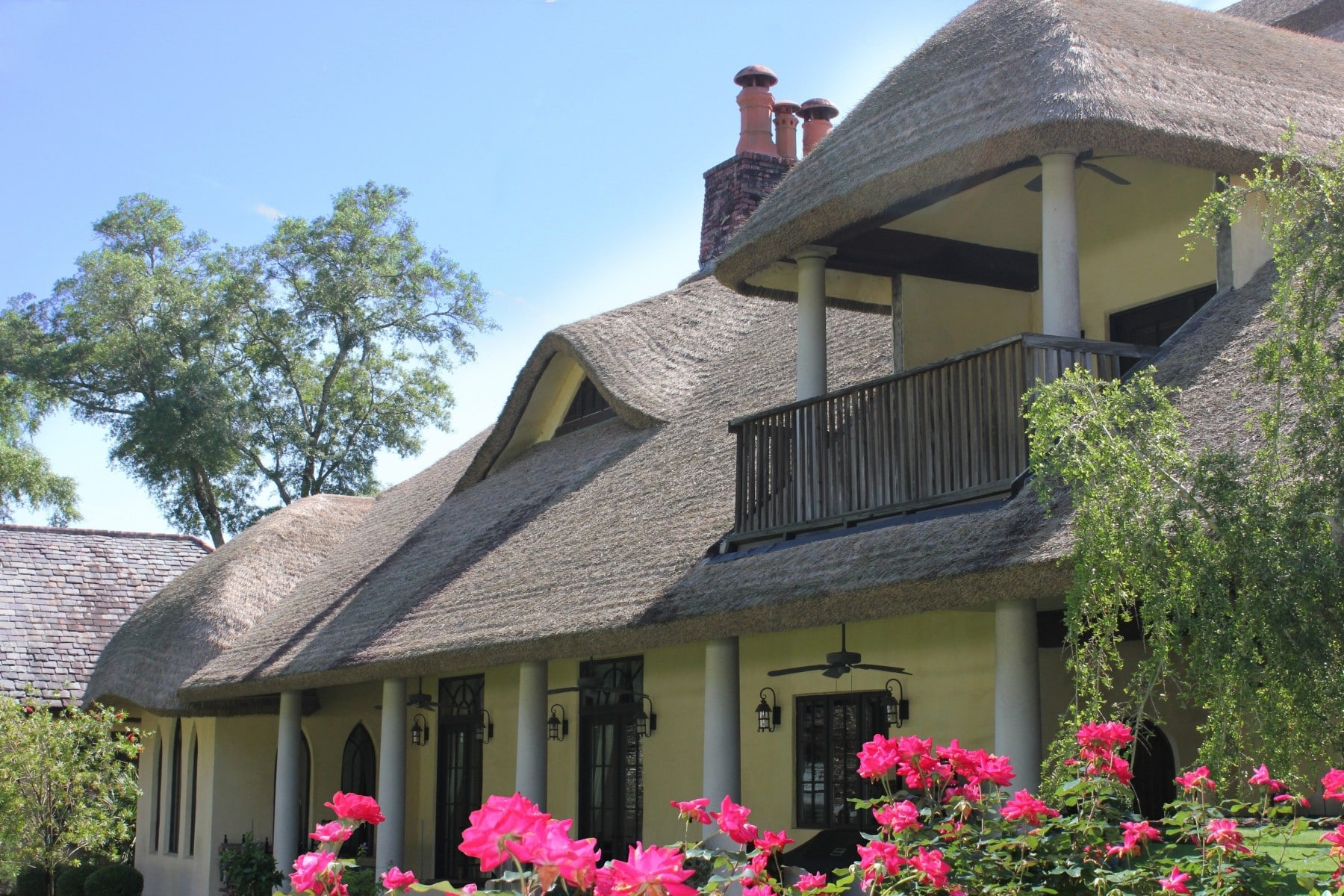
La certificación LEED (Liderazgo en Energía y Diseño Ambiental) es una designación que se otorga a edificios que han sido verificados como eficientes en el uso de recursos y respetuosos con el medio ambiente. Algunos factores que se utilizan para determinar la certificación LEED incluyen el consumo de agua, el consumo de energía, las emisiones de gases de efecto invernadero, la innovación en el diseño, entre otros. Para obtenerla, un edificio debe cumplir con las leyes y regulaciones ambientales y haber estado ocupado durante un mínimo de cinco años, con datos disponibles sobre el consumo de energía y agua.
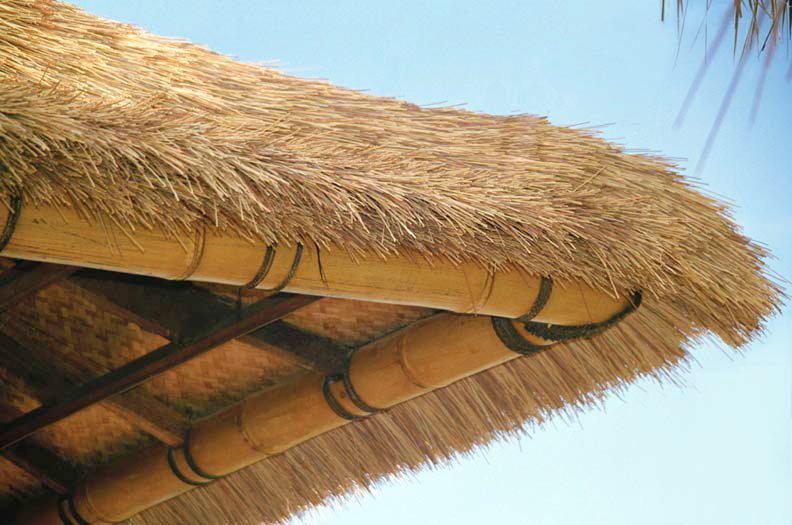
Cuando la paja natural se moja, puede empezar a pudrirse y deteriorarse. Esto es especialmente cierto si el techo está a la sombra de un árbol u otra estructura, ya que no recibirá la luz solar natural necesaria para secarse. Lo mismo ocurre si el techo se cubre de hojas (como cuando se acumulan en un tejado a dos aguas), puesto que las hojas retienen la humedad. Un techo de paja natural tendrá una vida útil más corta si está a la sombra; por lo general, este tipo de techos se conservan mejor cuando reciben sol durante todo el día.
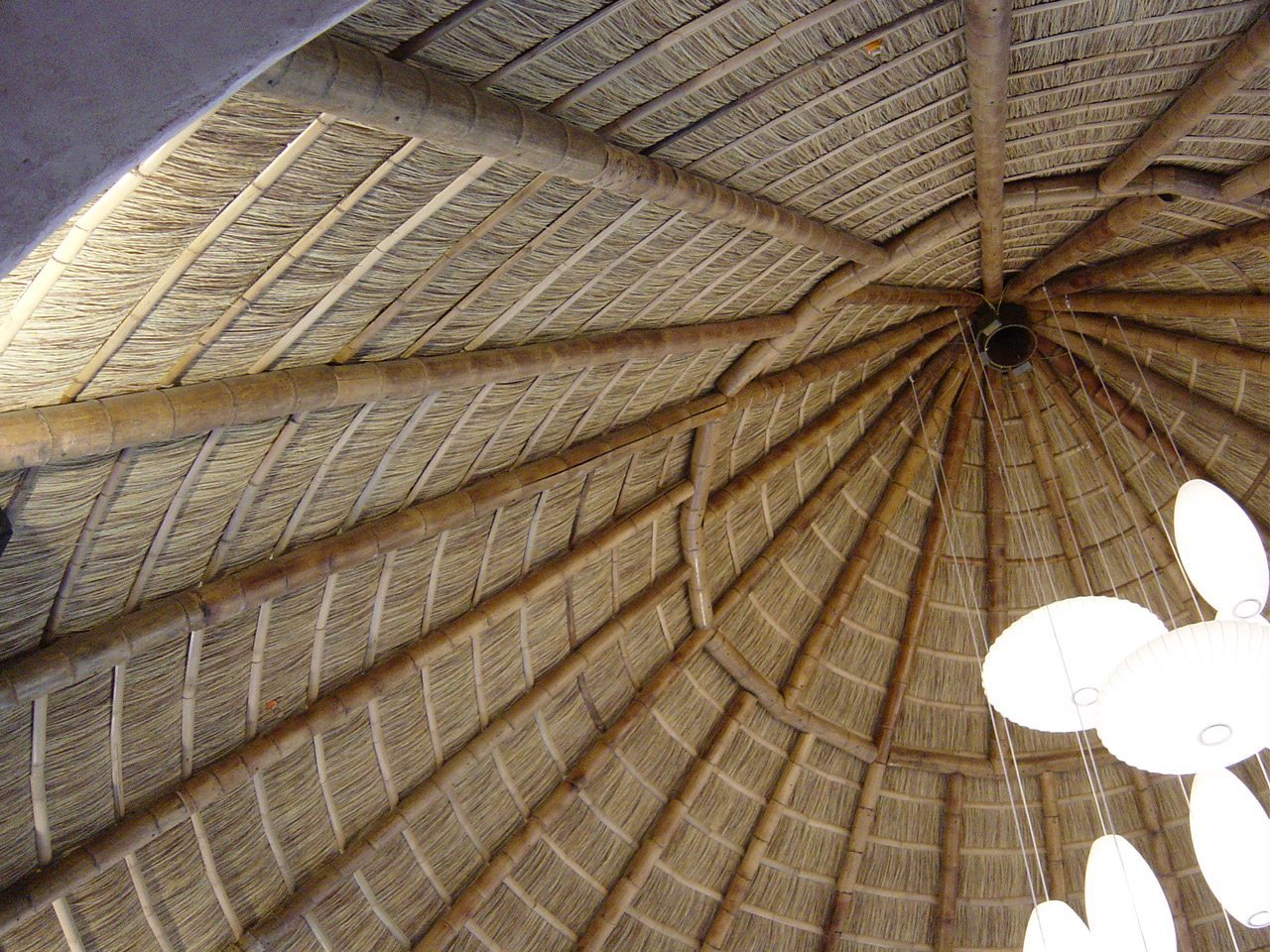
Al elegir el techo de paja sintética ideal para su negocio, ya sea un complejo turístico tropical o un puesto en la playa en Florida, descubrirá que no todos los materiales para techos de paja sintética son iguales. Ahí es donde entra en juego Endureed.
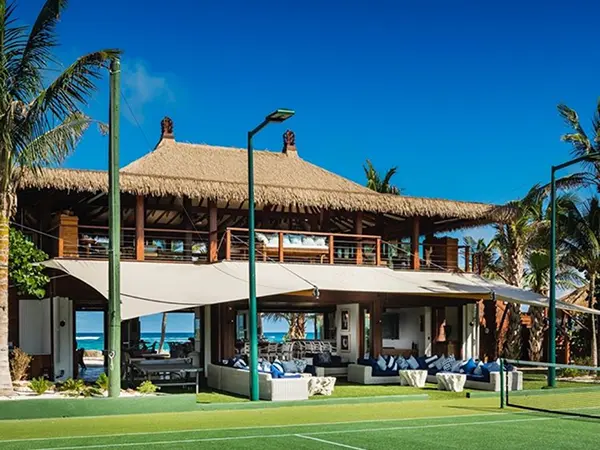
Cuando contratas a un contratista de techos, debes asegurarte de trabajar con alguien que sea confiable, digno de confianza y talentoso; y antes de contratar a nadie, es una buena idea empezar a hacer preguntas para asegurarte de que estás tomando la decisión correcta.
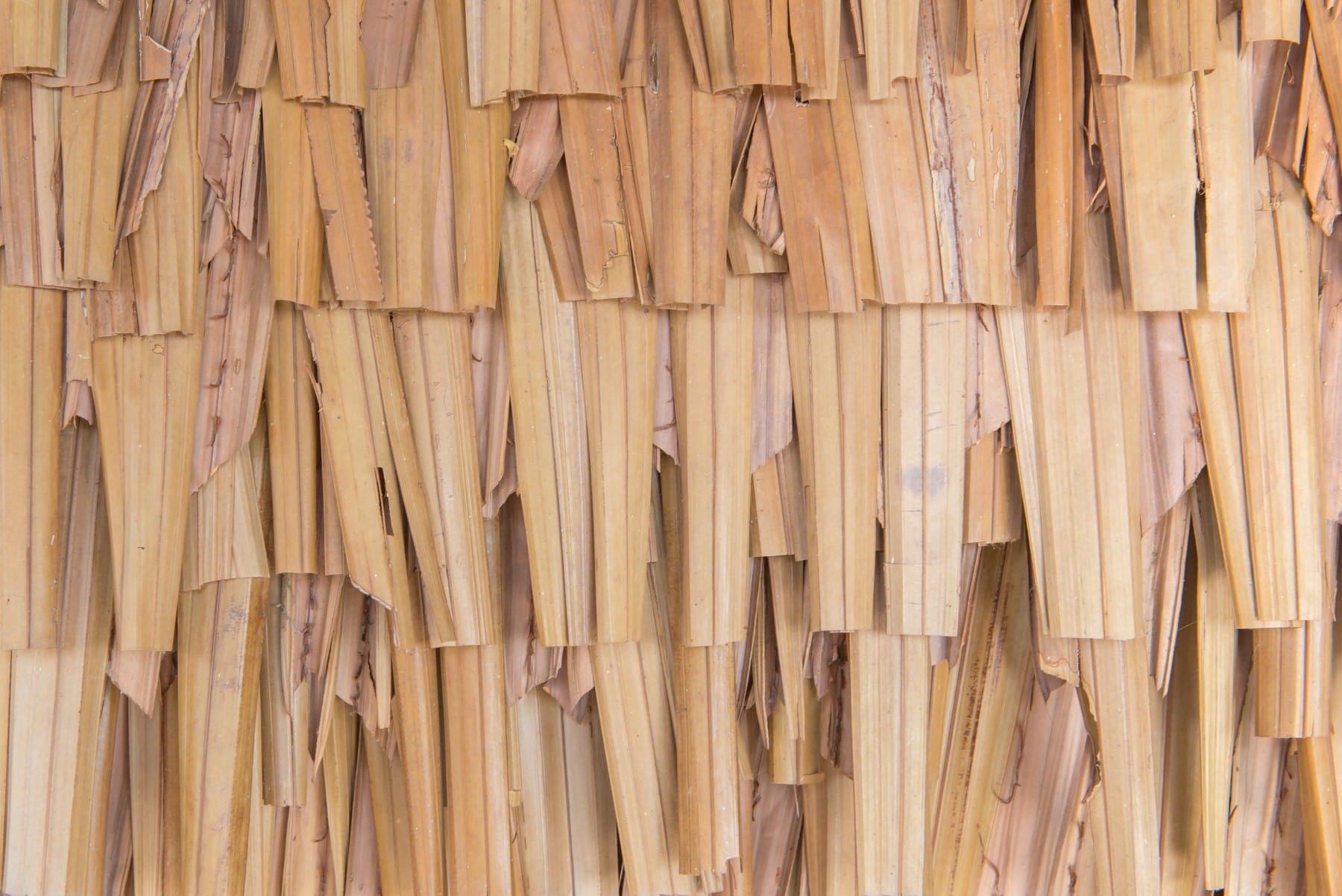
Al construir un nuevo edificio comercial con techo de paja sintética, es necesario saber qué tipo de pendiente es la más adecuada, si es pronunciada o suave. ¿Cuál se erosionará más rápidamente?
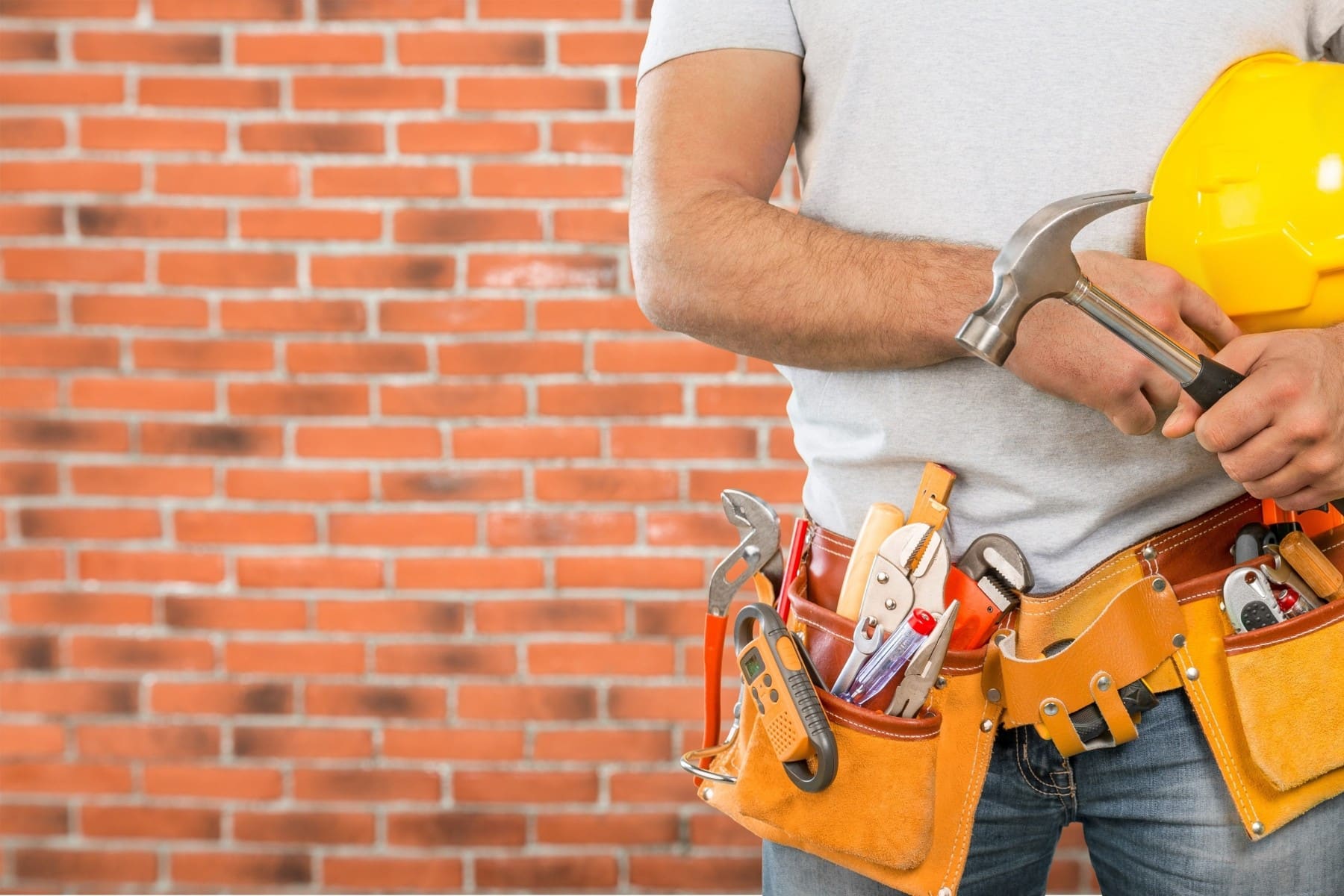
Si está considerando un techo de tejas de asfalto y cambia a paja sintética por su estética y fácil mantenimiento, está en buena compañía: muchos propietarios de empresas en todo el mundo han cambiado a un techo de paja sintética y han disfrutado de resultados notables.
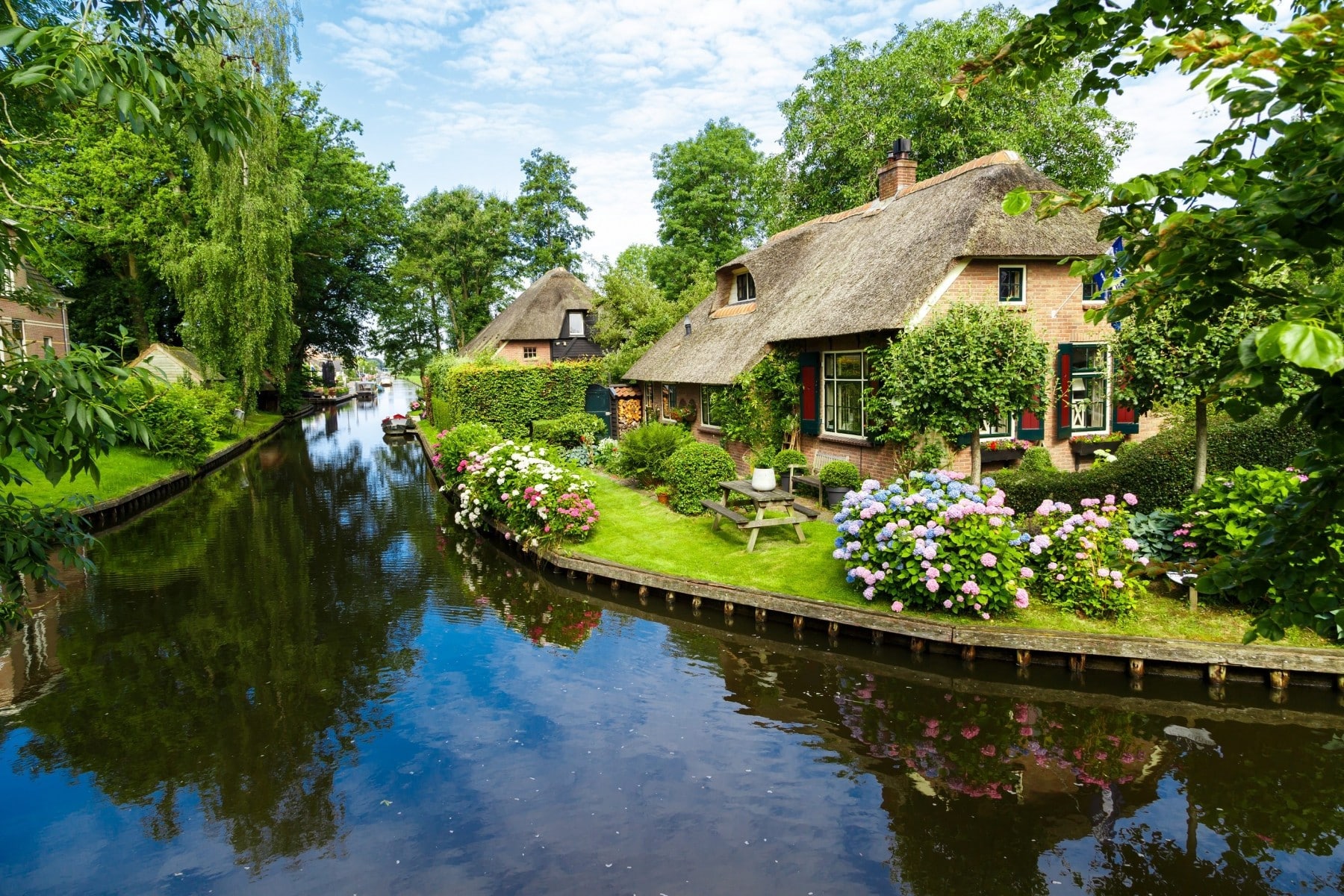
Para muchos techos sin canaletas, una zanja de goteo es la solución perfecta para ayudar a controlar la escorrentía de la lluvia y otros fenómenos climáticos.