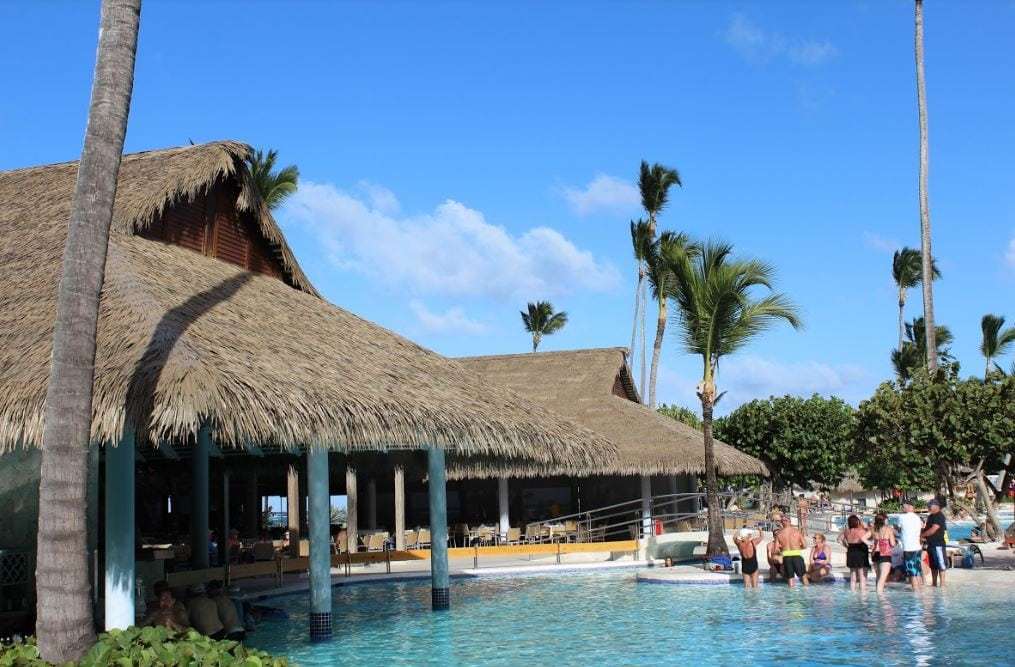
LEED Certification and Engineered Thatch: What Architects and Developers Need to Know
LEED (Leadership in Energy and Environmental Design) is the most widely recognized third-party green building certification in the world, used across more than 165 countries. For hospitality and resort projects specifically, LEED certification has become a meaningful signal to guests, investors, and operators that a building was designed with long-term efficiency and environmental responsibility in mind.
For architects and developers specifying roofing materials, understanding how a product like engineered thatch fits into the LEED framework is part of the material selection process, not an afterthought.
How LEED Certification Levels Work
LEED uses a 100-point rating scale. Projects earn points across defined credit categories, and the total determines certification level:
| Points Earned | Certification Level |
|---|---|
| 40-49 | Certificado LEED |
| 50-59 | LEED Silver |
| 60-79 | LEED Gold |
| 80+ | LEED Platinum |
The Seven LEED Credit Categories
Every LEED credit, regardless of project type, falls into one of these categories:
- Location and transportation
- Sustainable sites
- Water efficiency
- Energy and atmosphere
- Materials and resources
- Indoor environmental quality
- Innovation
Roofing material choices most commonly intersect with Materials and Resources, Energy and Atmosphere, y Innovation — depending on the specific certification path a project is pursuing and how the design team documents material performance and lifecycle.
Where Engineered Thatch Fits
Engineered thatch is not natural thatch, and it is not the generic “synthetic thatch” sold by commodity importers. Endureed’s engineered thatch is precision-manufactured from high-density polyethylene (HDPE) to exacting performance specifications:
- Certificación de fuego Clase A
- Wind rated in excess of 200 MPH
- Up to a 30-year no-maintenance warranty
- Florida Product Approval #FL21047
- Over 25 years of field performance, including installations that have withstood Category 5 hurricanes
These characteristics matter for LEED documentation in a few concrete ways: a no-maintenance, long-lifespan material reduces replacement waste and lifecycle material consumption over time compared to natural thatch, which typically requires more frequent replacement. Durability and performance documentation of this kind is also the type of data project teams use when building the case for Materials and Resources or Innovation credits — though the specific credits and point values available depend on the project’s certification path, location, and how the design team documents the material. Architects should work with their LEED consultant to determine exact credit applicability for a given project.
Why Hospitality Projects Pursue LEED
Hotels represent a significant share of commercial energy use in the built environment, and sustainability has become a real factor in where guests choose to stay. Beyond the reputational and marketing value of certification, researchers have also studied a link between LEED certification and revenue performance in hospitality properties, alongside the more straightforward operating cost savings that come with energy-efficient design.
For architects specifying materials on hospitality and resort projects, that makes roofing choice part of a larger sustainability and performance story, not just an aesthetic one.
Engineered Thatch Roofing Collections
Endureed’s engineered thatch is available across several collections, each suited to different architectural styles and project types:
Preguntas frecuentes
What is the highest level of LEED certification? LEED Platinum, awarded to projects earning 80 or more of the available 100 points.
Does roofing material affect LEED certification? Roofing material can contribute to LEED credits under Materials and Resources, Energy and Atmosphere, and Innovation, depending on the project’s certification path and how the design team documents material performance and lifecycle.
Is engineered thatch different from synthetic thatch? Yes. Synthetic thatch is a generic term covering any plastic or manufactured thatch product, including lower-quality commodity imports. Engineered thatch refers to a precision-manufactured product built to defined performance standards for fire rating, wind resistance, and longevity.
What warranty does Endureed offer on engineered thatch roofing? Endureed’s engineered thatch products carry a warranty of up to 30 years, depending on the product line.
Want to talk through how engineered thatch fits into a specific LEED certification path for your project? Contact our team or call 877-784-2824. You can also view technical specs and documentation for each roofing product by creating a free Endureed account.