Blogs
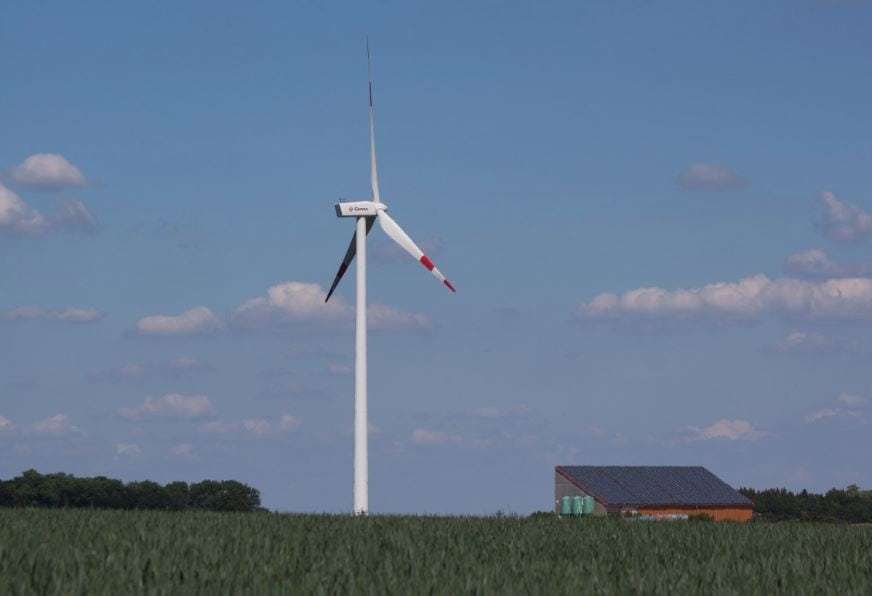
Since so many of our clients and end-users appreciate energy conservation and green building materials, we wanted to pass along some information about a tax credit that was put back into place this year. The tax credit for residential energy efficiency improvements is back.
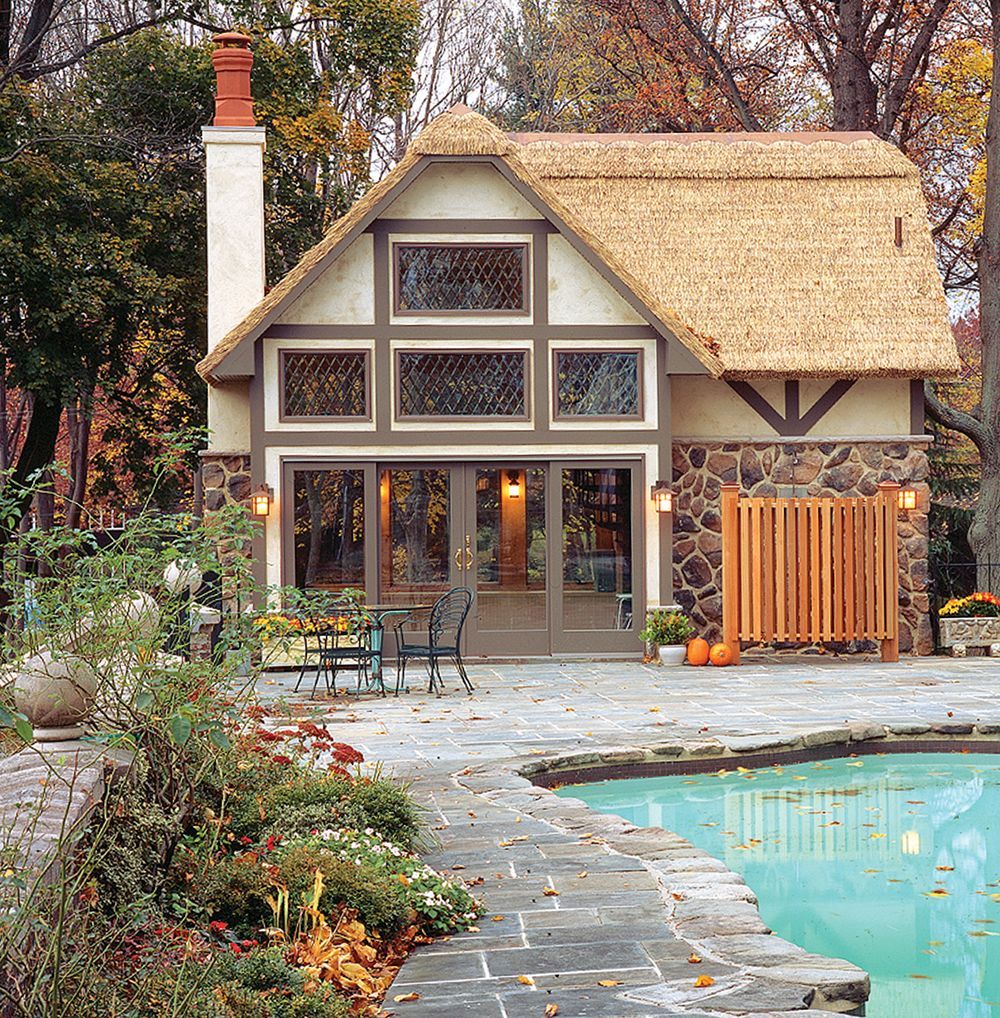
Health cautious consumers think of plastics and they quickly think of phthalates. Actually, phthalates are found in thousands of products. They are all around us.

We’d love to help you choose the right product for your specific needs. We offer a variety of products in addition to our VIVA Series economical synthetic palm thatch. The following products replicate thatch from all around the world:
When people think of plastics, they often associate negative health risks. This is true of some types of plastics even still. As we’ve mentioned before though, our Regions series synthetic thatch products consist of an incredibly stable thermoplastic. It’s the safest plastic available.

Have you ever wondered just how much it costs to apply flame retardant to a natural thatch roof? Keep in mind when factoring in prices, most Class A flame retardant chemicals require reapplication to natural thatch roofs every two years. On average, when comparing a variety of different chemical solutions for minimizing thatch roof fire risks and complying with building codes, you’ll need to apply three coats to your thatch roof every two years. That will give you satisfactory coverage of the flame retardant chemical to comply with building codes.
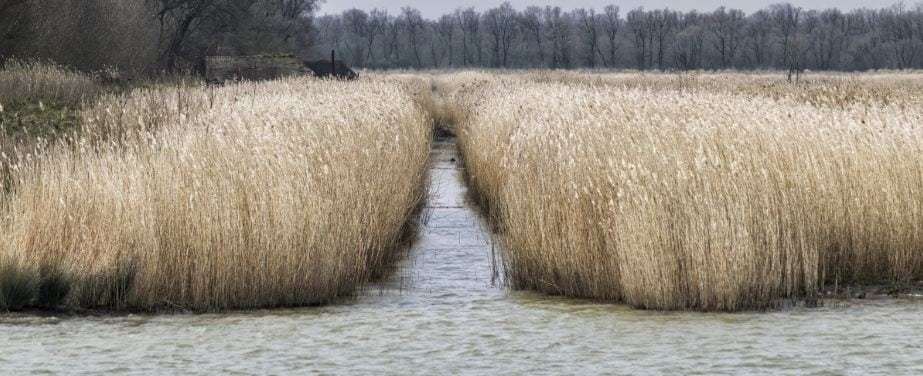
Los fertilizantes, por supuesto, fueron la solución para satisfacer la demanda. Posteriormente, el uso de fertilizantes provocó cambios en la caña y el suelo. La salud de la caña de agua se deterioró. La caña se volvió más frágil y débil. La agricultura intensiva generó cosechas de caña de agua que se rompen fácilmente. Todo esto ocurrió en tan solo un par de décadas.
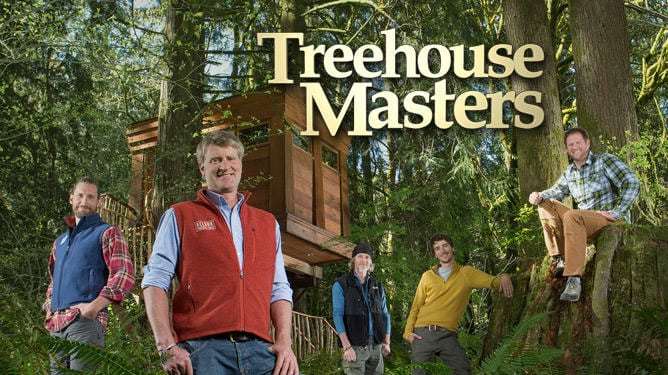
Endureed’s Viva synthetic palm thatch is seen in the Season 11 premier of Animal Planet’s Treehouse Masters! Obviously, we are so excited. Pete Nelson is an incredibly talented, world-renowned treehouse designer and builder. Treehouse Masters documents the work he and his team of craftsmen create.

As a green building designer, you probably are aware that many companies that treat natural thatched roofing materials with flame retardants have moved to a more eco-friendly version. They claim that it’s non toxic and perfectly safe. Yet, scientists and environmentalists aren’t so sure.