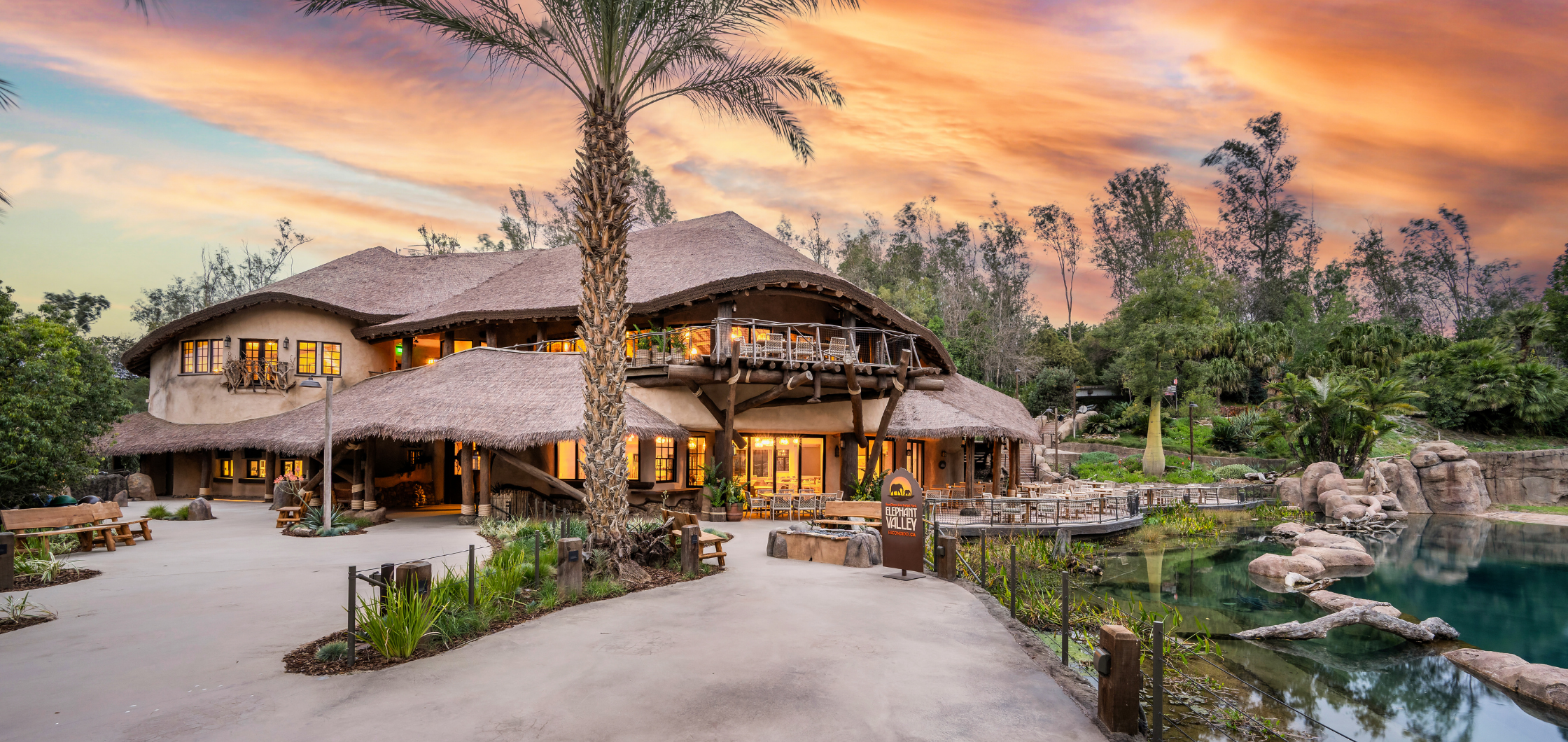
En casi todos los proyectos de techado con paja, llega un momento crucial en el que la decisión se vuelve definitiva. No cuando llega el presupuesto, ni cuando se aprueban las muestras, sino cuando alguien lo ve. Su espacio. Su estructura. Con el techo de paja. Antes, ese momento requería una visita al lugar, una representación gráfica o un acto de imaginación. Ahora, basta con unos diez segundos.
La clasificación de resistencia al fuego Clase A para techos de paja es el estándar de especificación para cualquier instalación comercial de techos de paja prefabricados. Endureed fabrica techos de paja prefabricados desde 1999, y cada producto Performance y Premium sale de fábrica con una clasificación de resistencia al fuego Clase A integrada en el material, no aplicada como un tratamiento químico en obra. Para arquitectos, contratistas y propietarios que gestionan una construcción comercial con permisos, esta distinción determina si un proyecto avanza o se detiene durante la inspección.
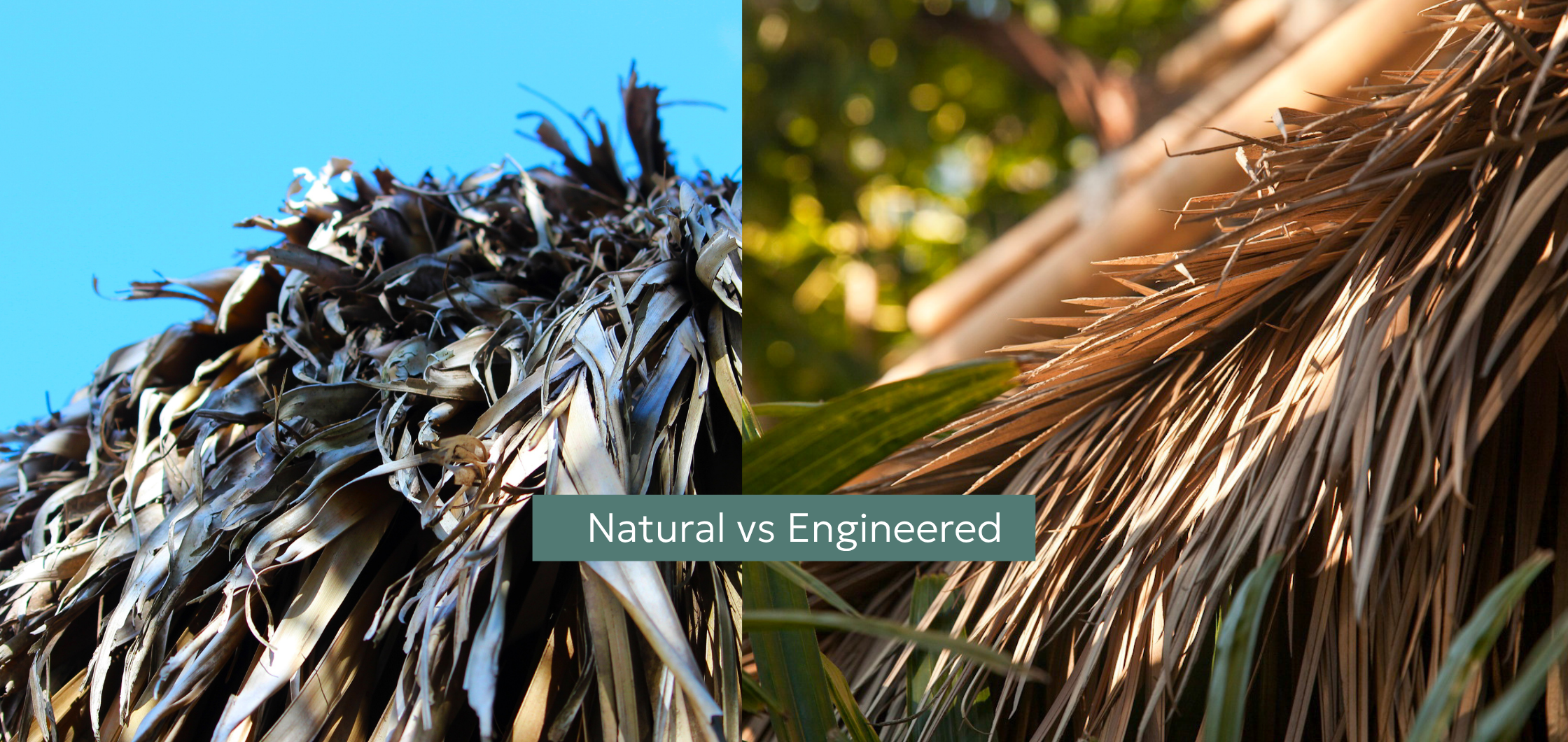
La conversación suele empezar igual. El propietario, el promotor de un complejo turístico o el contratista solicitan dos presupuestos: uno para techos de paja natural y otro para techos de paja artificial. El precio inicial del techo de paja natural parece mejor, a veces considerablemente mejor. Sin embargo, esta comparación es incompleta. Y, en la mayoría de los casos, la situación se invierte por completo al quinto año.
Durante más de 25 años, Endureed ha sido el referente en techos de paja prefabricados: el producto que los arquitectos especifican para resorts de cinco estrellas, en el que confían los contratistas para construcciones comerciales y en el que los propietarios confían cuando la instalación debe durar décadas sin mantenimiento. Esta reputación se forjó gracias a un producto de calidad excepcional. Además, su precio se ajustó a esta característica. Hoy, la situación cambia para un comprador específico.
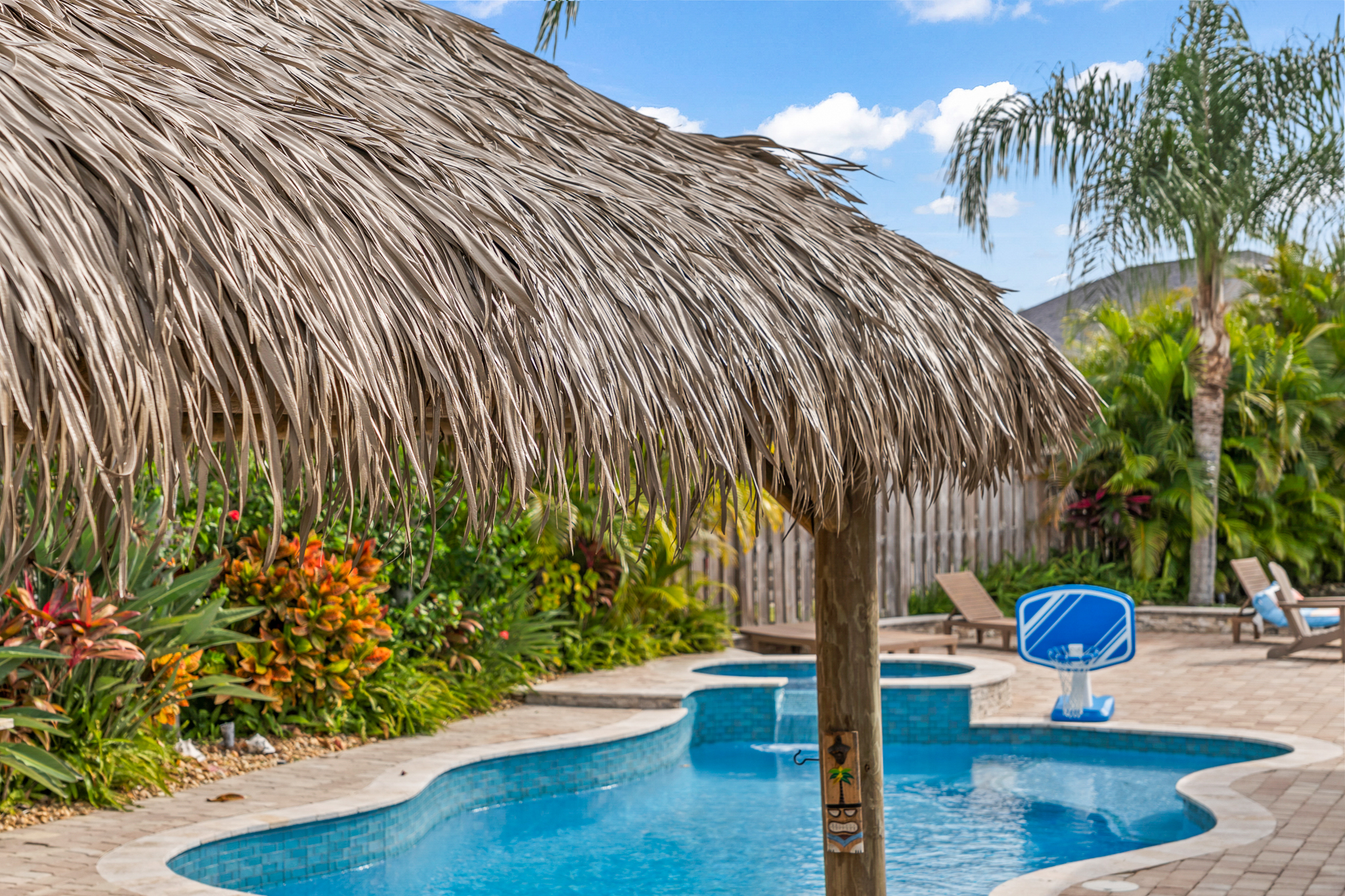
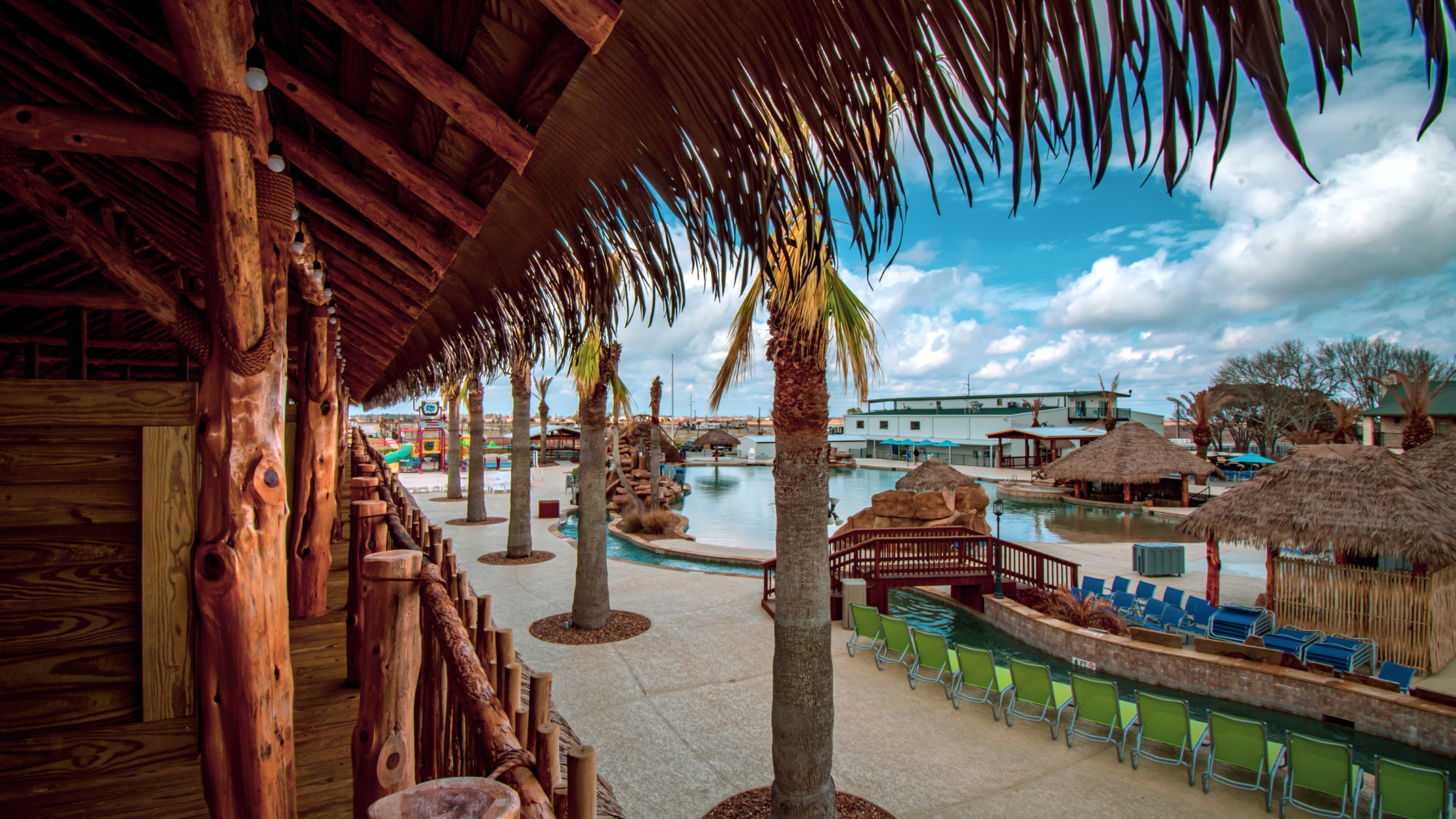
Rendimiento visible y confiable. Descubra cómo la paja artificial realza la decoración de parques acuáticos con durabilidad a largo plazo, ahorros operativos y cumplimiento normativo.
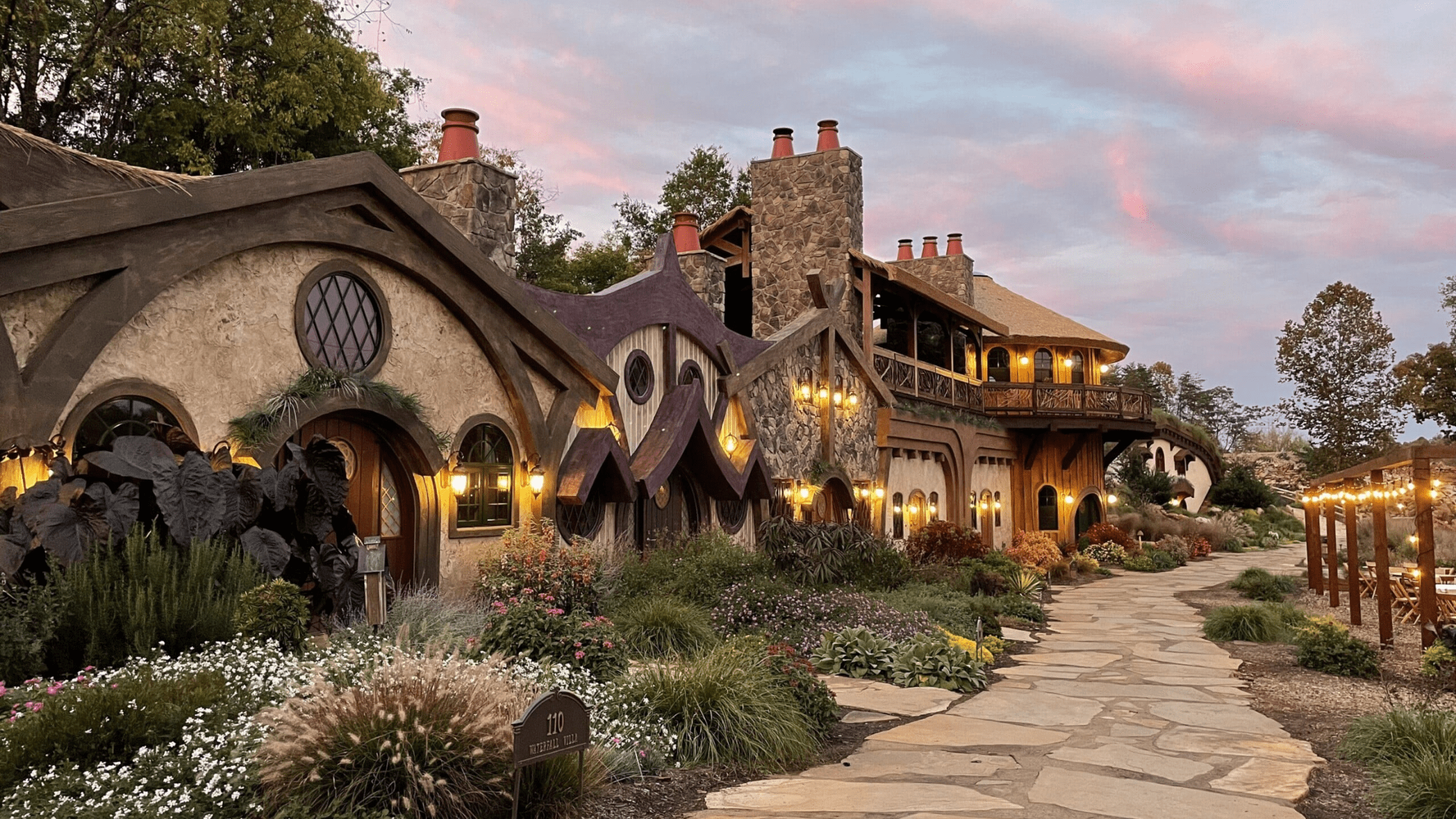
Enclavado en las colinas de Knoxville, Tennessee, hay un lugar donde los cuentos de hadas parecen reales. Senderos empedrados serpentean entre jardines musgosos. Faroles brillan al anochecer. Y justo detrás de los árboles, tejados de paja coronan pintorescas cabañas y cabañas en los árboles, cada una con su encanto.
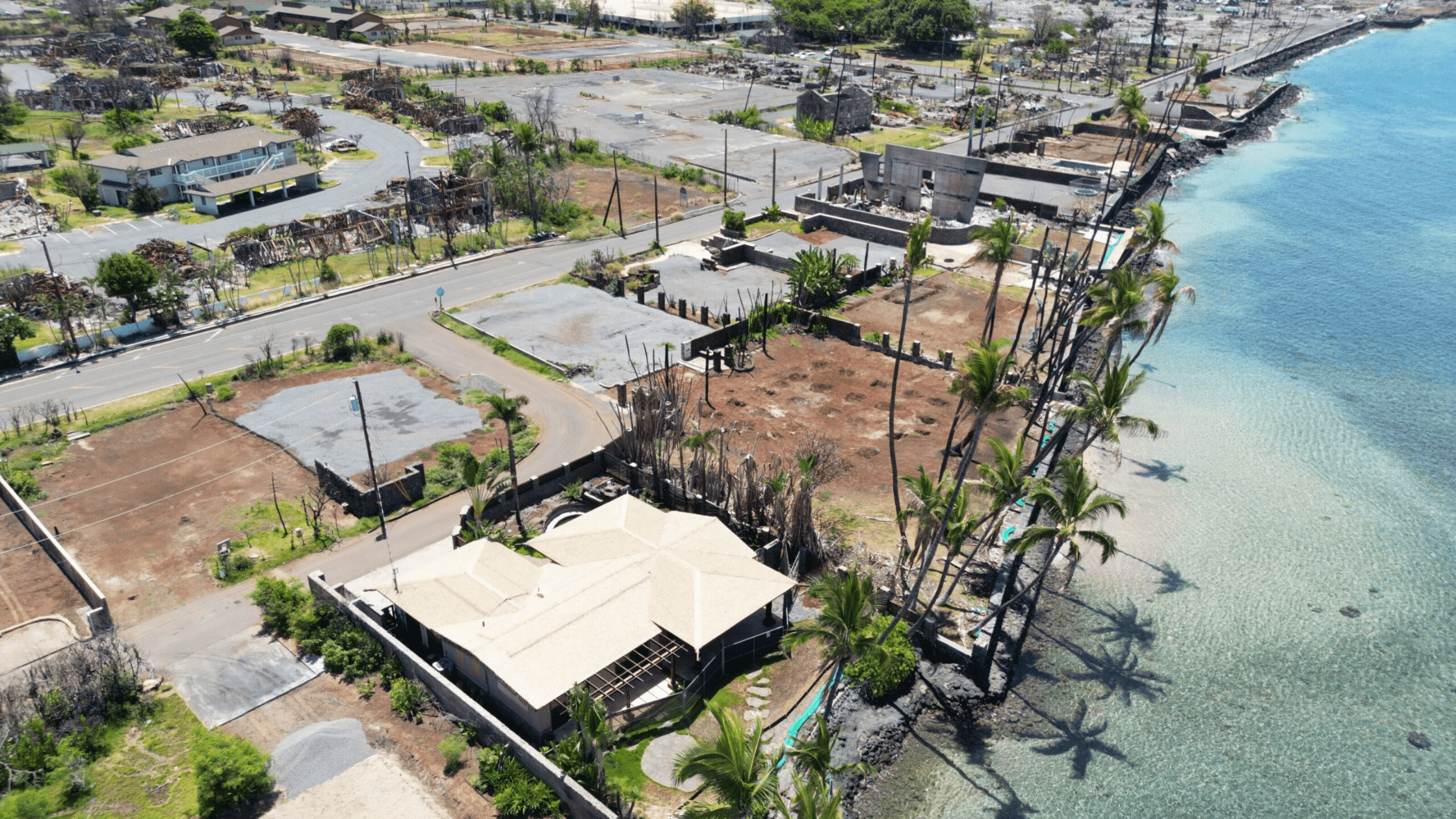
En agosto de 2023, Lahaina, Hawái, sufrió uno de los incendios forestales más devastadores de su historia. Barrios enteros fueron arrasados en cuestión de horas. Casas reducidas a cenizas. Familias desplazadas. Una comunidad histórica marcada para siempre.
En Endureed®, creemos en demostrar el rendimiento. Por eso, nuestros productos Engineered Thatch™ se han sometido a más de 150.000 horas de pruebas de laboratorio, incluyendo una de las simulaciones climáticas más rigurosas disponibles: la prueba de arco de xenón.